
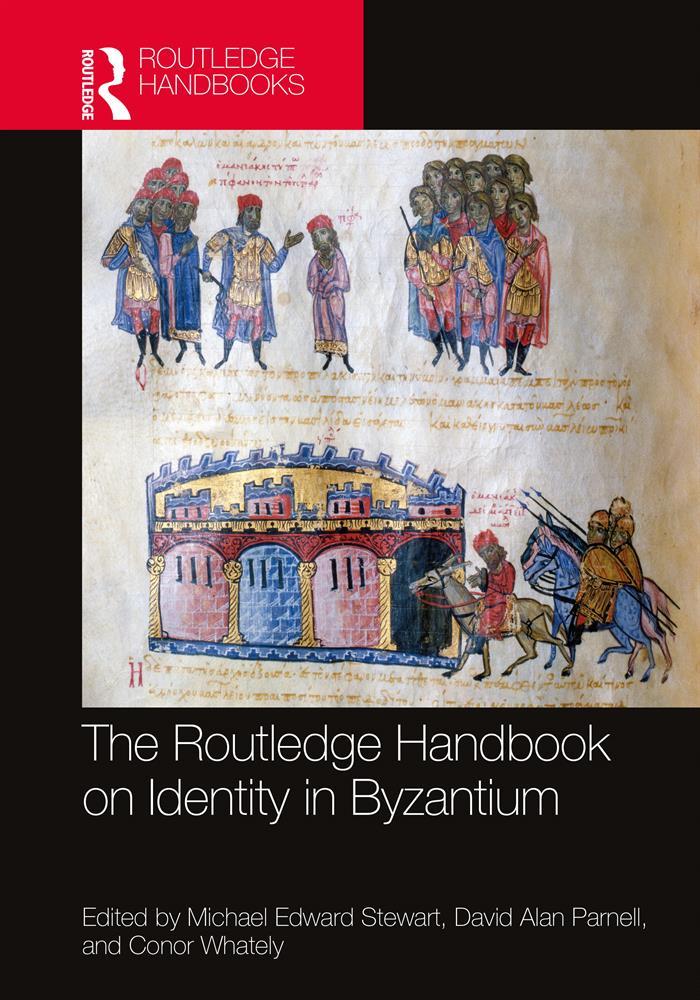
This volume is the first to focus solely on how specific individuals and groups in Byzantium and its borderlands were defined and distinguished from other individuals and groups from the mid-fourth to the close of the fifteenth century. It gathers chapters from both established and emerging scholars from a wide range of disciplines across history, art, archaeology, and religion to provide an accurate representation of the state of the field both now and in its immediate future. The handbook is divided into four subtopics that examine concepts of group and specific individual identity which have been chosen to provide methodologically sophisticated and multidisciplinary perspectives on specific categories of group and individual identity. The topics are Imperial Identities; Romanitas in the Late Antique Mediterranean; Macro and Micro Identities: Religious, Regional, and Ethnic Identities, and Internal Others; and Gendered Identities: Literature, Memory, and Self in Early and Middle Byzantium. While no single volume could ever provide a comprehensive vision of identities on the vast variety of peoples within Byzantium over nearly a millennium of its history, this handbook represents a milestone in offering a survey of the vibrant surge of scholarship examining the numerous and oft-times fluctuating codes of identity that shaped and transformed Byzantium and its neighbours during the empire’s long life.
Betal enkelt med kort, Klarna, Apple Pay eller Google Pay. Ikke fornøyd? Du har alltid 14 dagers angrerett. Les mer i våre vilkår. Har du spørsmål, send oss en e-post på hello@memmo.org.
Memmo gjør det enklere å studere – uansett hvor du er i verden. Hos oss samler du pensumbøker og smarte studieverktøy på ett og samme sted: sammendrag, quizer, podkaster og flashcards. Og så Ted, din studiekompis som svarer på alt du lurer på. Over 50 000 studenter studerer allerede her – bygget for at du skal lære raskere og stresse mindre.