
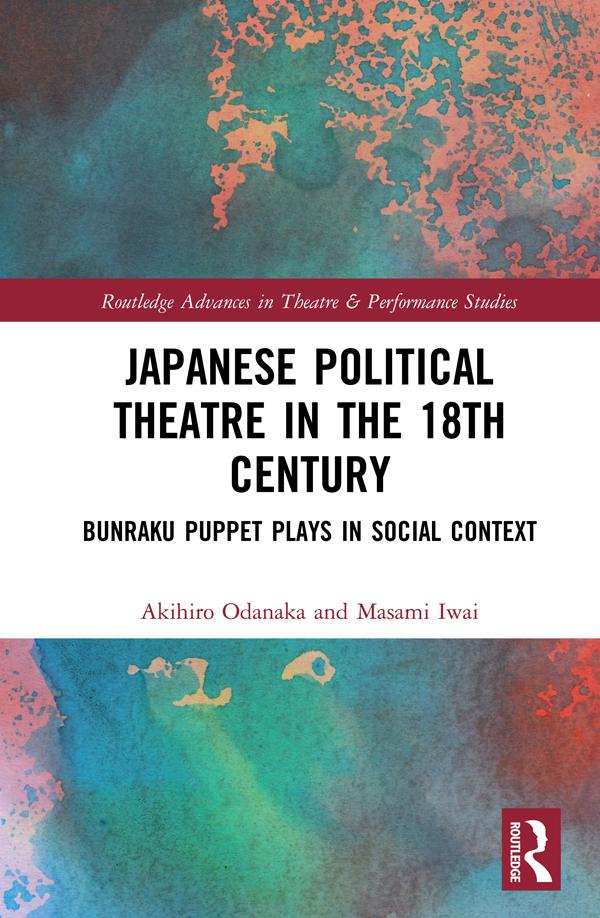
Bunraku has fascinated theatre practitioners through its particular forms of staging, such as highly elaborated manipulation of puppets and exquisite coordination of chanters and shamisen players. However, Bunraku lacks scholarship dedicated to translating not only the language but also cultural barriers of this work.
In this book, Odanaka and Iwai tackle the wealth of bunraku plays underrepresented in English through rexamining their siginifcance on a global scale. Little is written on the fact that bunraku theatre, despites its elegant figures of puppets and exotic stories, was often made as a place to manifest the political concerns of playwrights in the 18th century, hence a reflection of the audience's expectation that could not have materialized outside the theatre.
Japanese Political Theatre in the 18th Century aims to make bunraku texts readable for those who are interested in the political and cultural implications of this revered theatre tradition.
Betal enkelt med kort, Klarna, Apple Pay eller Google Pay. Ikke fornøyd? Du har alltid 14 dagers angrerett. Les mer i våre vilkår. Har du spørsmål, send oss en e-post på hello@memmo.org.
Memmo gjør det enklere å studere – uansett hvor du er i verden. Hos oss samler du pensumbøker og smarte studieverktøy på ett og samme sted: sammendrag, quizer, podkaster og flashcards. Og så Ted, din studiekompis som svarer på alt du lurer på. Over 50 000 studenter studerer allerede her – bygget for at du skal lære raskere og stresse mindre.