
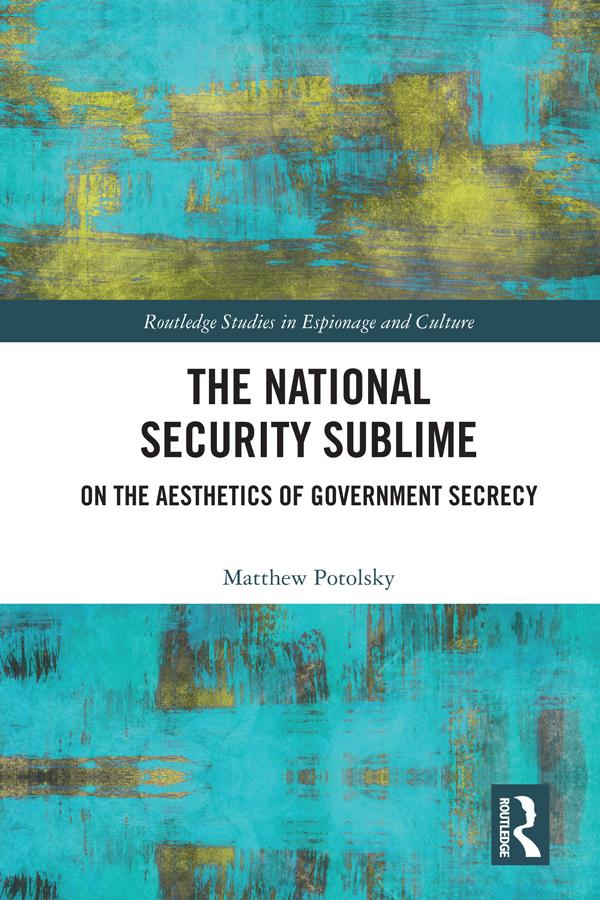
Why do recent depictions of government secrecy and surveillance so often use images suggesting massive size and scale: gigantic warehouses, remote black sites, numberless security cameras? Drawing on post-War American art, film, television, and fiction, Matthew Potolsky argues that the aesthetic of the sublime provides a privileged window into the nature of modern intelligence, a way of describing the curiously open secret of covert operations. The book tracks the development of the national security sublime from the Cold War to the War on Terror, and places it in a long history of efforts by artists and writers to represent political secrecy.
Betal enkelt med kort, Klarna, Apple Pay eller Google Pay. Ikke fornøyd? Du har alltid 14 dagers angrerett. Les mer i våre vilkår. Har du spørsmål, send oss en e-post på hello@memmo.org.
Memmo gjør det enklere å studere – uansett hvor du er i verden. Hos oss samler du pensumbøker og smarte studieverktøy på ett og samme sted: sammendrag, quizer, podkaster og flashcards. Og så Ted, din studiekompis som svarer på alt du lurer på. Over 50 000 studenter studerer allerede her – bygget for at du skal lære raskere og stresse mindre.