
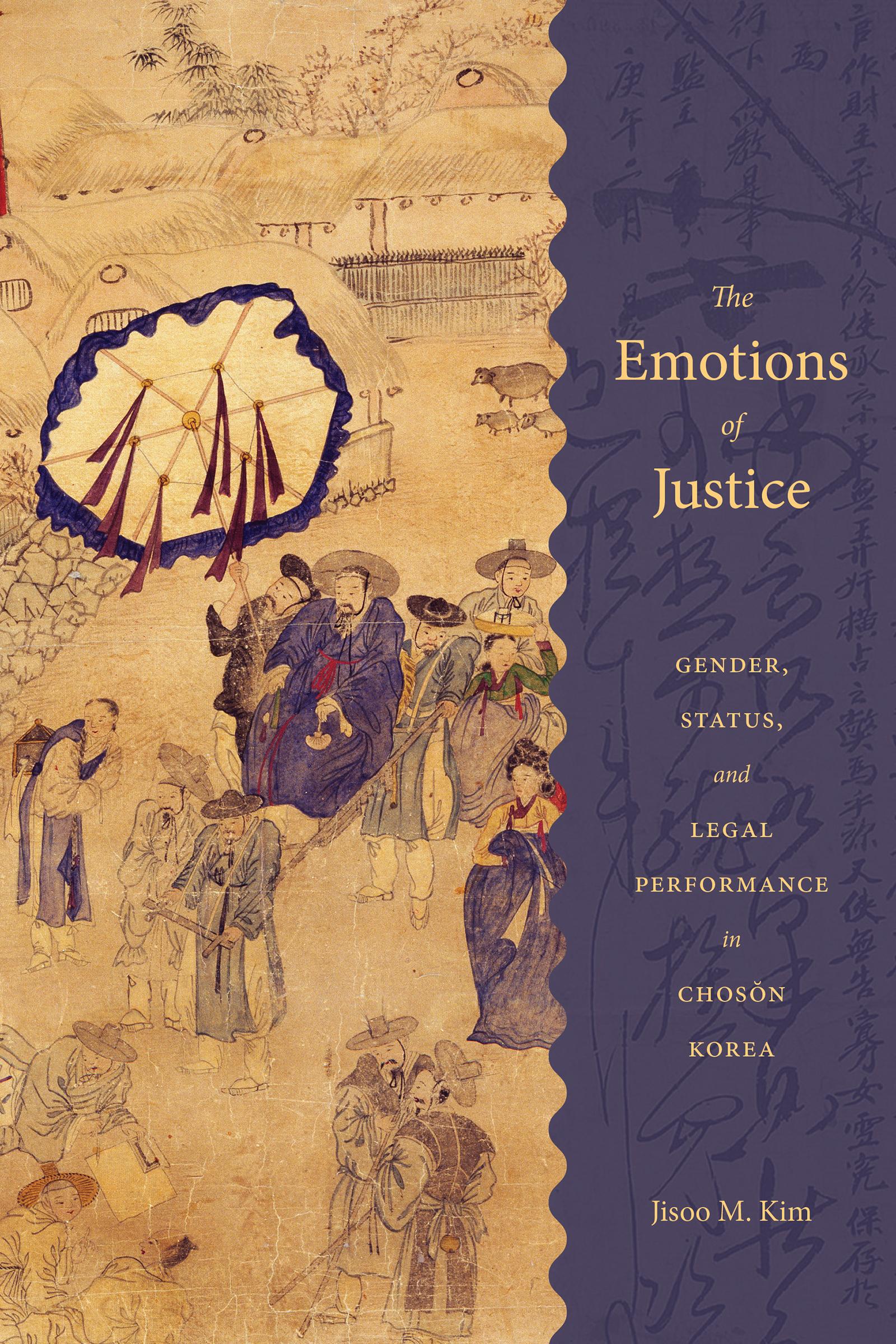
The Choson state (1392–1910) is typically portrayed as a rigid society because of its hereditary status system, slavery, and Confucian gender norms. However, The Emotions of Justice reveals a surprisingly complex picture of a judicial system that operated in a contradictory fashion by discriminating against subjects while simultaneously minimizing such discrimination. Jisoo Kim contends that the state’s recognition of won, or the sense of being wronged, permitted subjects of different genders or statuses to interact in the legal realm and in doing so illuminates the intersection of law, emotions, and gender in premodern Korea.
Betal enkelt med kort, Klarna, Apple Pay eller Google Pay. Ikke fornøyd? Du har alltid 14 dagers angrerett. Les mer i våre vilkår. Har du spørsmål, send oss en e-post på hello@memmo.org.
Memmo gjør det enklere å studere – uansett hvor du er i verden. Hos oss samler du pensumbøker og smarte studieverktøy på ett og samme sted: sammendrag, quizer, podkaster og flashcards. Og så Ted, din studiekompis som svarer på alt du lurer på. Over 50 000 studenter studerer allerede her – bygget for at du skal lære raskere og stresse mindre.