
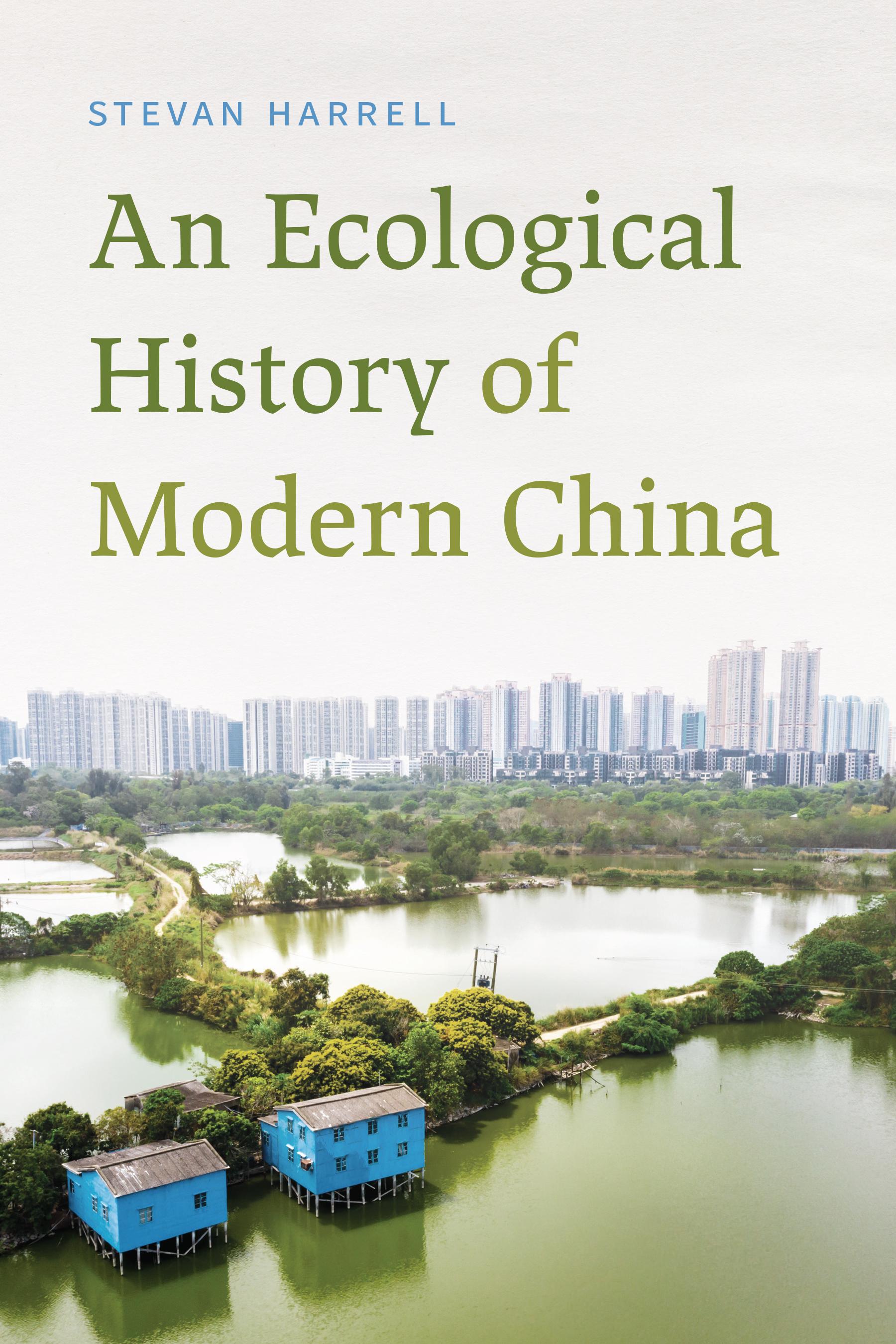
How mega-dams, industrial agriculture, and other developments challenge ecosystem resilience
Is environmental degradation an inevitable result of economic development? Can ecosystems be restored once government officials and the public are committed to doing so? These questions are at the heart of An Ecological History of Modern China, a comprehensive account of China's transformation since the founding of the People's Republic from the perspective not of the economy but of the biophysical world. Examples throughout illustrate how agricultural, industrial, and urban development have affected the resilience of China's ecosystems—their ability to withstand disturbances and additional growth—and what this means for the country's future.
Drawing on decades of research, Stevan Harrell demonstrates the local and global impacts of China's miraculous rise. In clear and accessible prose, An Ecological History of Modern China untangles the paradoxes of development and questions the possibility of a future that is both prosperous and sustainable. It is a critical resource for students, scholars, and general readers interested in environmental change, Chinese history, and sustainable development.
Betal enkelt med kort, Klarna, Apple Pay eller Google Pay. Ikke fornøyd? Du har alltid 14 dagers angrerett. Les mer i våre vilkår. Har du spørsmål, send oss en e-post på hello@memmo.org.
Memmo gjør det enklere å studere – uansett hvor du er i verden. Hos oss samler du pensumbøker og smarte studieverktøy på ett og samme sted: sammendrag, quizer, podkaster og flashcards. Og så Ted, din studiekompis som svarer på alt du lurer på. Over 50 000 studenter studerer allerede her – bygget for at du skal lære raskere og stresse mindre.