
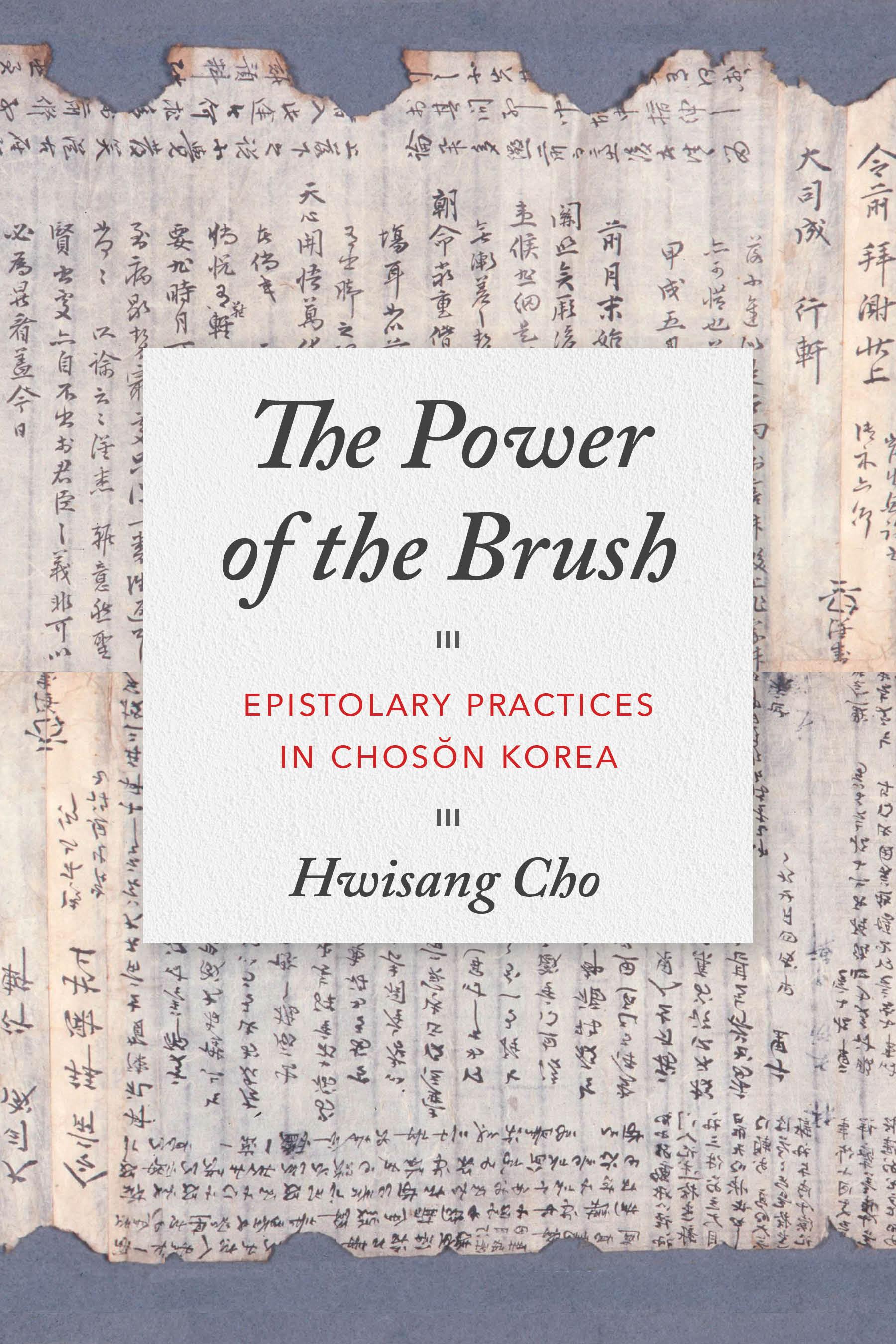
<P>Focusing on the ways written culture interacts with philosophical, social, and political changes, The Power of the Brush examines the social effects of an “epistolary revolution” in sixteenth-century Korea and adds a Korean perspective to the evolving international discourse on the materiality of texts. It demonstrates how innovative uses of letters and the appropriation of letter-writing practices empowered cultural, social, and political minority groups: Confucians who did not have access to the advanced scholarship of China; women using vernacular Korean script, who were excluded from the male-dominated literary culture, which used Chinese script; and provincial literati, who were marginalized from court politics. The physical peculiarities of new letter forms such as spiral letters, the cooptation of letters for purposes other than communication, and the rise of diverse political epistolary genres combined to form a revolution in letter writing that challenged traditional values and institutions. New modes of reading and writing that were developed in letter writing precipitated changes in scholarly methodology, social interactions, and political mobilization. Even today, remnants of these traditional epistolary practices endure in media and political culture, reverberating in new communications technologies.
Betal enkelt med kort, Klarna, Apple Pay eller Google Pay. Ikke fornøyd? Du har alltid 14 dagers angrerett. Les mer i våre vilkår. Har du spørsmål, send oss en e-post på hello@memmo.org.
Memmo gjør det enklere å studere – uansett hvor du er i verden. Hos oss samler du pensumbøker og smarte studieverktøy på ett og samme sted: sammendrag, quizer, podkaster og flashcards. Og så Ted, din studiekompis som svarer på alt du lurer på. Over 50 000 studenter studerer allerede her – bygget for at du skal lære raskere og stresse mindre.