
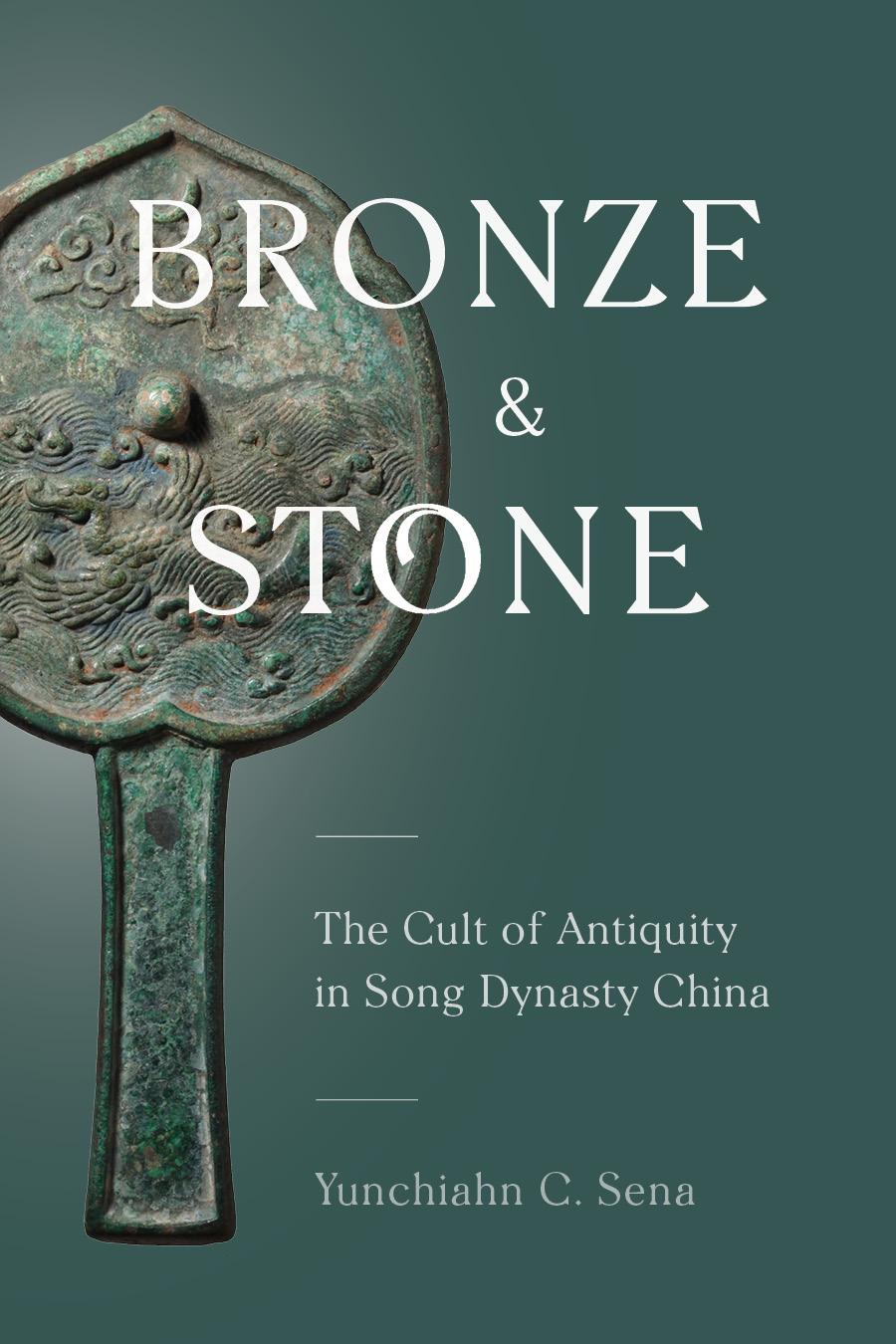
Despite China’s long tradition of venerating the past as the ultimate source of cultural authority, the discourse of antiquity prior to the Song period (960–1279) demonstrated little concern for ancient objects. With a focus on physical artifacts of the past, Song intellectuals began a new discipline, “the study of bronze and stone” (jinshixue), that generated collections of items such as bronze vessels and bells, stone steles, and ink rubbings of inscriptions carved or cast on objects. This first comprehensive study in English of the Song antiquarian movement and how it refashioned the distant past uses textual and material evidence to examine this development, which has had long-lasting influence on Chinese intellectual history and on the preservation of material objects. In addition to collecting and comparing artifacts, Song antiquaries compiled extensive catalogs that included drawings, measurements, and meticulous descriptions. Their studies have contributed to the way history has been documented since the eleventh century and serve as a basis for archaeology of the modern period. Bronze and Stone contextualizes the Song antiquarian movement among previous Chinese engagements with antiquity, subsequent popular interest in ancient objects, and world antiquarianism.
Betal enkelt med kort, Klarna, Apple Pay eller Google Pay. Ikke fornøyd? Du har alltid 14 dagers angrerett. Les mer i våre vilkår. Har du spørsmål, send oss en e-post på hello@memmo.org.
Memmo gjør det enklere å studere – uansett hvor du er i verden. Hos oss samler du pensumbøker og smarte studieverktøy på ett og samme sted: sammendrag, quizer, podkaster og flashcards. Og så Ted, din studiekompis som svarer på alt du lurer på. Over 50 000 studenter studerer allerede her – bygget for at du skal lære raskere og stresse mindre.