
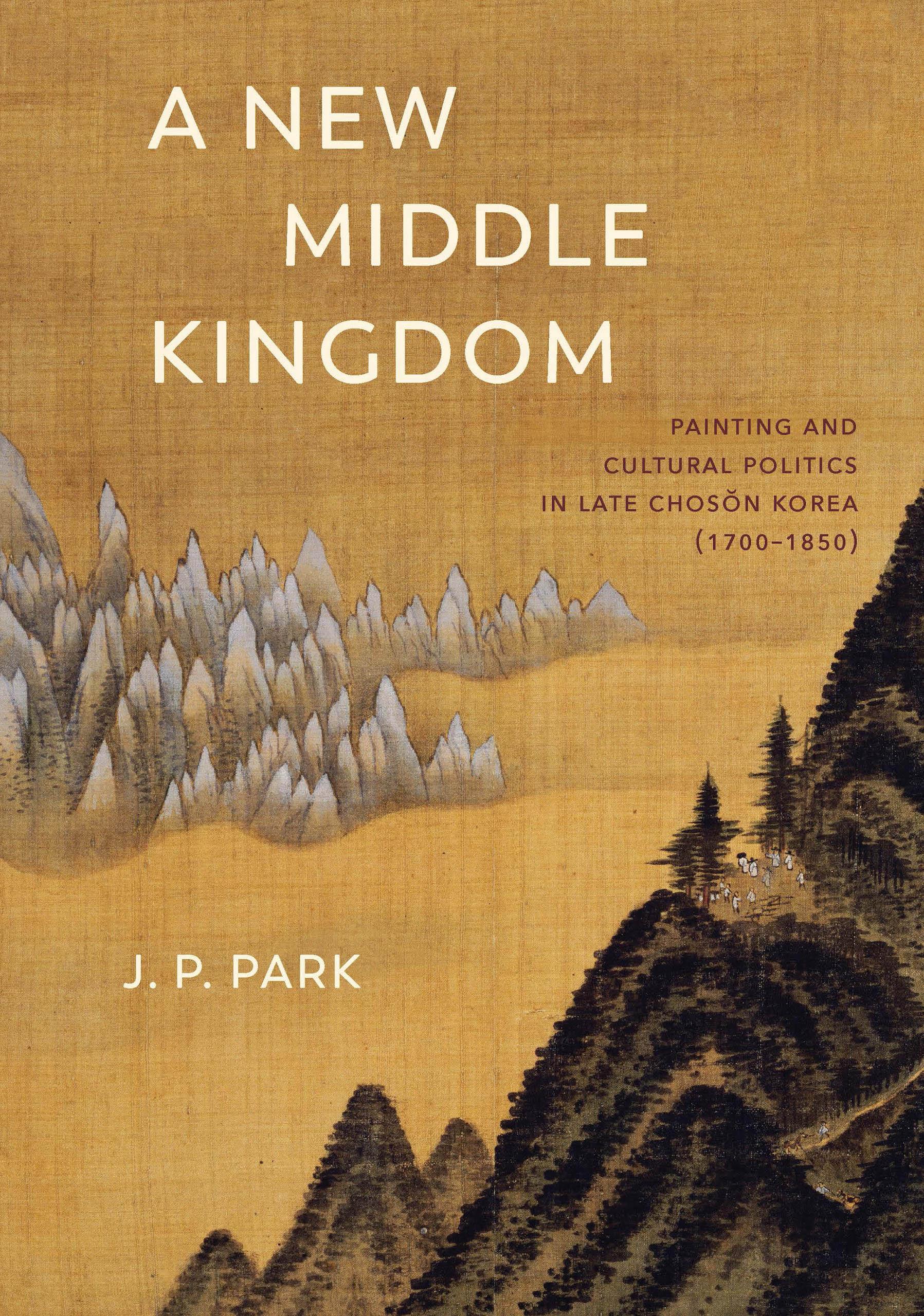
Historians have claimed that when social stability returned to Korea after devastating invasions by the Japanese and Manchus around the turn of the seventeenth century, the late Chosŏn dynasty was a period of unprecedented economic and cultural renaissance, in which prosperity manifested itself in new programs and styles of visual art. A New Middle Kingdom questions this belief, claiming instead that true-view landscape and genre paintings were likely adopted to propagandize social harmony under Chosŏn rule and to justify the status, wealth, and land grabs of the ruling class. This book also documents the popularity of art books from China and their misunderstanding by Koreans and, most controversially, Korean enthusiasm for artistic programs from Edo Japan, thus challenging academic stereotypes and nationalistic tendencies in the scholarship about the Chosŏn period. As the first truly interdisciplinary study of Korean art, A New Middle Kingdom points to realities of late Chosŏn society that its visual art seemed to hide and deny.
A William Sangki and Nanhee Min Hahn Book
Betal enkelt med kort, Klarna, Apple Pay eller Google Pay. Ikke fornøyd? Du har alltid 14 dagers angrerett. Les mer i våre vilkår. Har du spørsmål, send oss en e-post på hello@memmo.org.
Memmo gjør det enklere å studere – uansett hvor du er i verden. Hos oss samler du pensumbøker og smarte studieverktøy på ett og samme sted: sammendrag, quizer, podkaster og flashcards. Og så Ted, din studiekompis som svarer på alt du lurer på. Over 50 000 studenter studerer allerede her – bygget for at du skal lære raskere og stresse mindre.