
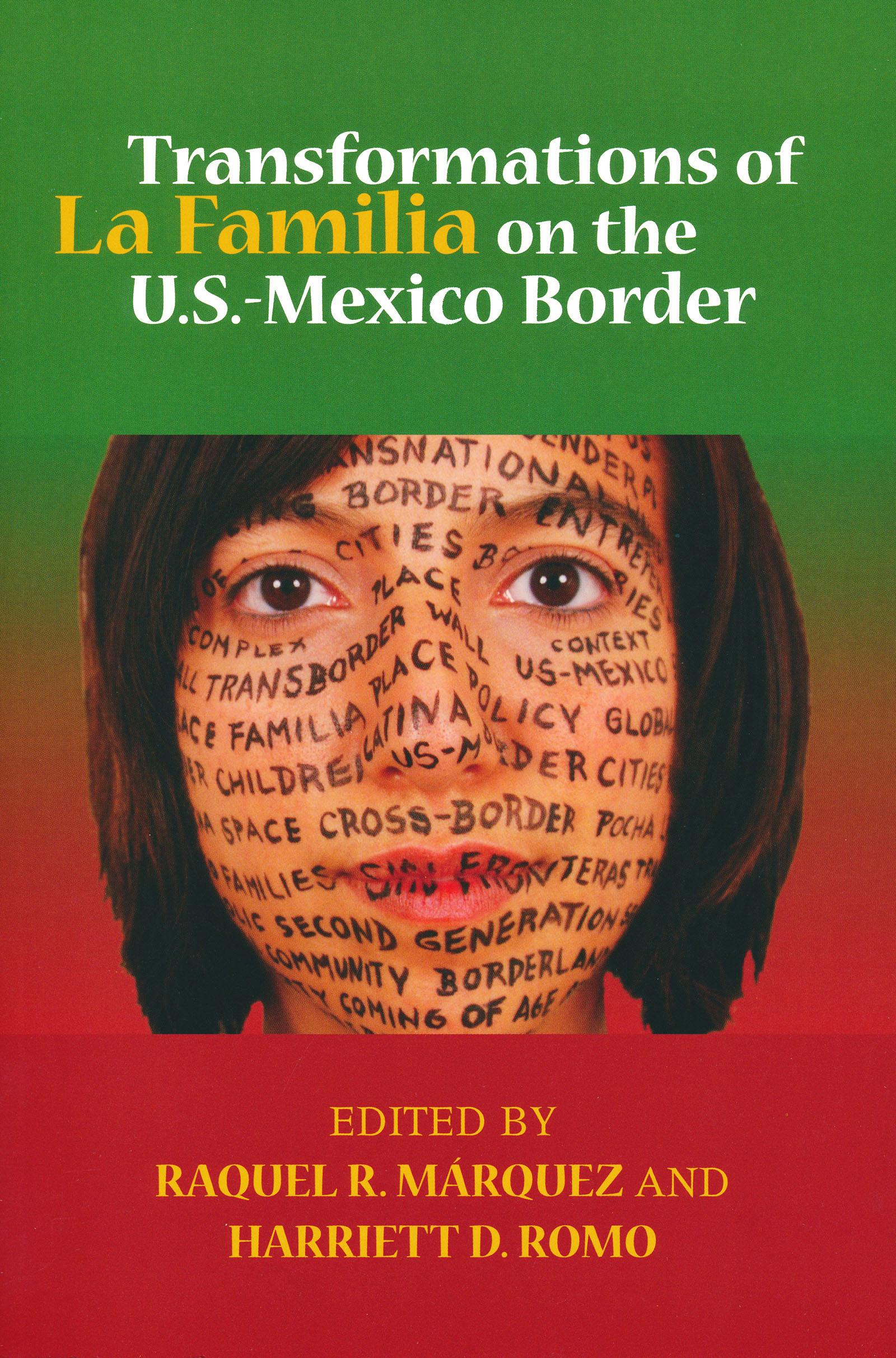
No international relationship of the United States is as encumbered by history, geography, culture, language, and economics as the one with Mexico. Given the scale and importance of the flow of commerce and culture across the border, however, surprisingly few studies have examined the micro-level impact of border immigration patterns, economic systems, and policies on families in the region. Recognizing this void, the women scholars represented here—all of whom have studied and lived near la frontera—explore the complexity of border dynamics. They offer a well-rounded portrayal of Latino families and their response to changes at the border.
The authors focus primarily on women and changes within families on the border—in response to women's economic strategies, labor market participation, and interactions with relatives and others. Quantitative chapters provide demographic analyses of population changes in new immigrant areas, the conditions of children and families along the border, and the work patterns of border families and women entrepreneurs. Qualitative chapters provide insights into the rites of passage celebrated across borders and the transnational lives of women and their families. The volume concludes with recommendations for collaborative U.S.-Mexico border policies that support families.
Betal enkelt med kort, Klarna, Apple Pay eller Google Pay. Ikke fornøyd? Du har alltid 14 dagers angrerett. Les mer i våre vilkår. Har du spørsmål, send oss en e-post på hello@memmo.org.
Memmo gjør det enklere å studere – uansett hvor du er i verden. Hos oss samler du pensumbøker og smarte studieverktøy på ett og samme sted: sammendrag, quizer, podkaster og flashcards. Og så Ted, din studiekompis som svarer på alt du lurer på. Over 50 000 studenter studerer allerede her – bygget for at du skal lære raskere og stresse mindre.