
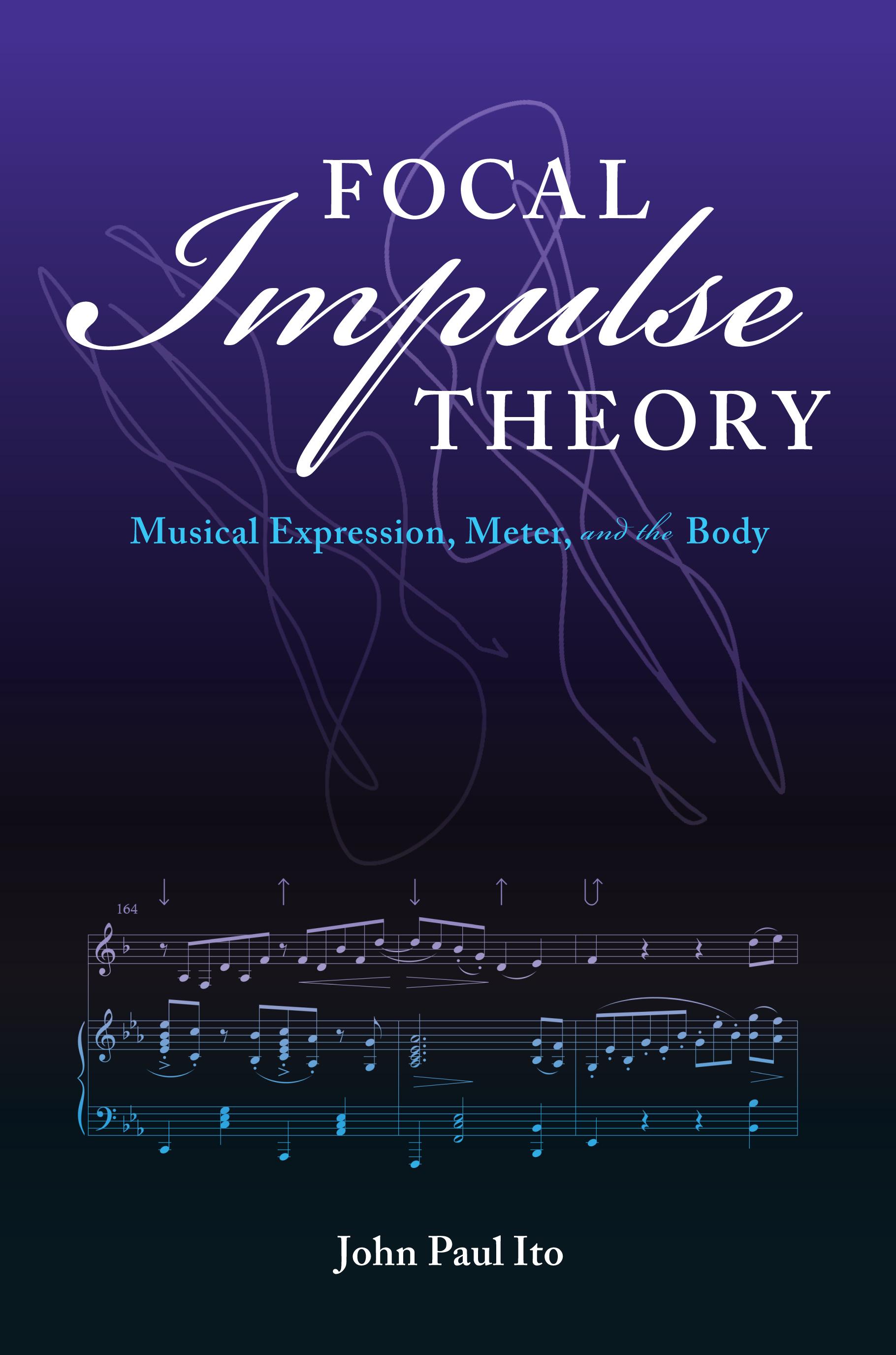
Music is surrounded by movement, from the arching back of the guitarist to the violinist swaying with each bow stroke.
To John Paul Ito, these actions are not just a visual display; rather, they reveal what it really means for musicians to move with the beat, organizing the flow of notes from beat to beat and shaping the sound produced. By developing "focal impulse theory," Ito shows how a performer's choices of how to move with the meter can transform the music's expressive contours. Change the dance of the performer's body, and you change the dance of the notes.
As Focal Impulse Theory deftly illustrates, bodily movements carry musical meaning and, in a very real sense, are meaning.
Betal enkelt med kort, Klarna, Apple Pay eller Google Pay. Ikke fornøyd? Du har alltid 14 dagers angrerett. Les mer i våre vilkår. Har du spørsmål, send oss en e-post på hello@memmo.org.
Memmo gjør det enklere å studere – uansett hvor du er i verden. Hos oss samler du pensumbøker og smarte studieverktøy på ett og samme sted: sammendrag, quizer, podkaster og flashcards. Og så Ted, din studiekompis som svarer på alt du lurer på. Over 50 000 studenter studerer allerede her – bygget for at du skal lære raskere og stresse mindre.