
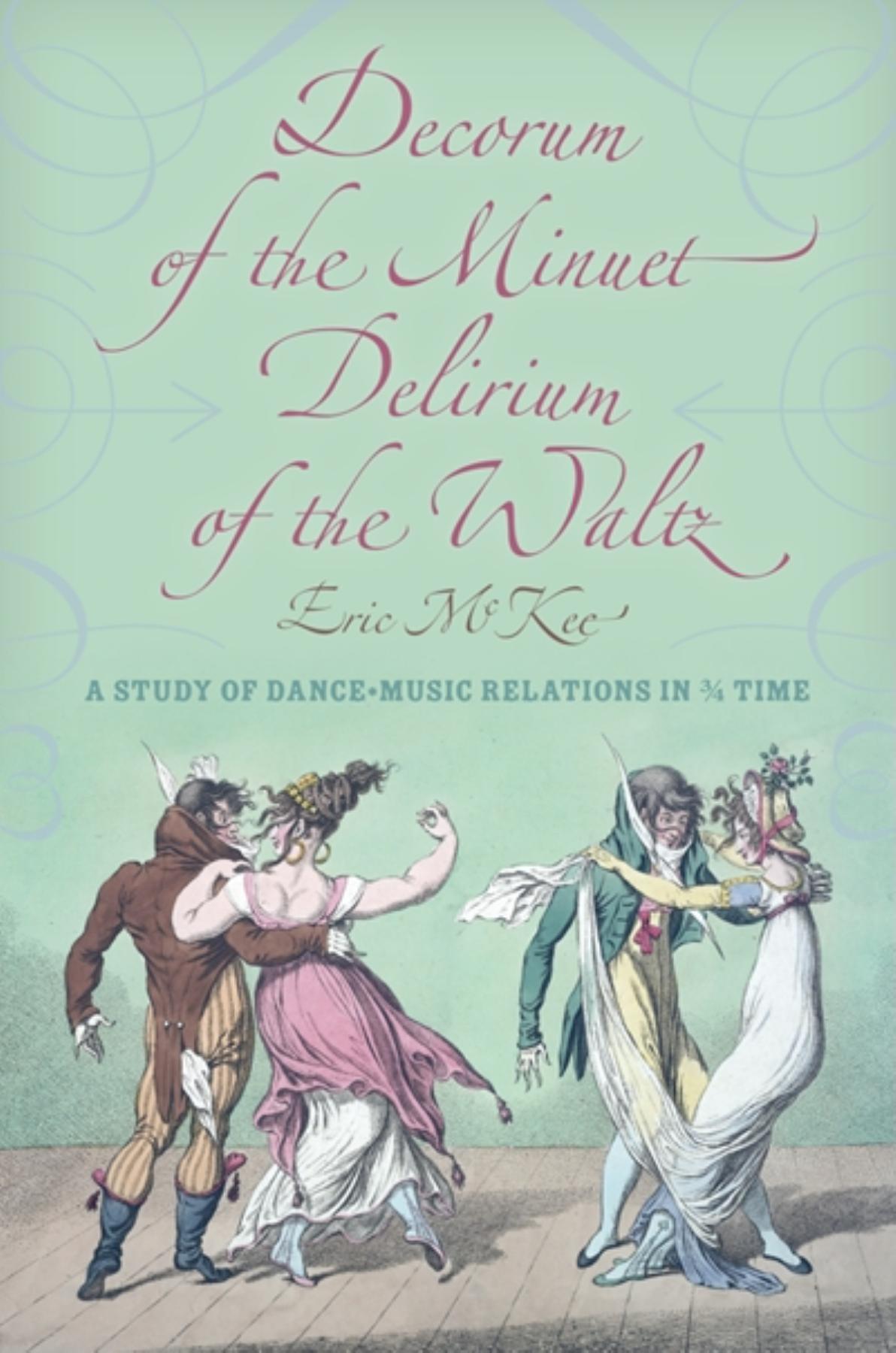
Much music was written for the two most important dances of the 18th and 19th centuries, the minuet and the waltz. In Decorum of the Minuet, Delirium of the Waltz, Eric McKee argues that to better understand the musical structures and expressive meanings of this dance music, one must be aware of the social contexts and bodily rhythms of the social dances upon which it is based. McKee approaches dance music as a component of a multimedia art form that involves the interaction of physical motion, music, architecture, and dress. Moreover, the activity of attending a ball involves a dynamic network of modalities—sight, sound, bodily awareness, touch, and smell, which can be experienced from the perspectives of a dancer, a spectator, or a musician. McKee considers dance music within a larger system of signifiers and points-of-view that opens new avenues of interpretation.
Betal enkelt med kort, Klarna, Apple Pay eller Google Pay. Ikke fornøyd? Du har alltid 14 dagers angrerett. Les mer i våre vilkår. Har du spørsmål, send oss en e-post på hello@memmo.org.
Memmo gjør det enklere å studere – uansett hvor du er i verden. Hos oss samler du pensumbøker og smarte studieverktøy på ett og samme sted: sammendrag, quizer, podkaster og flashcards. Og så Ted, din studiekompis som svarer på alt du lurer på. Over 50 000 studenter studerer allerede her – bygget for at du skal lære raskere og stresse mindre.