
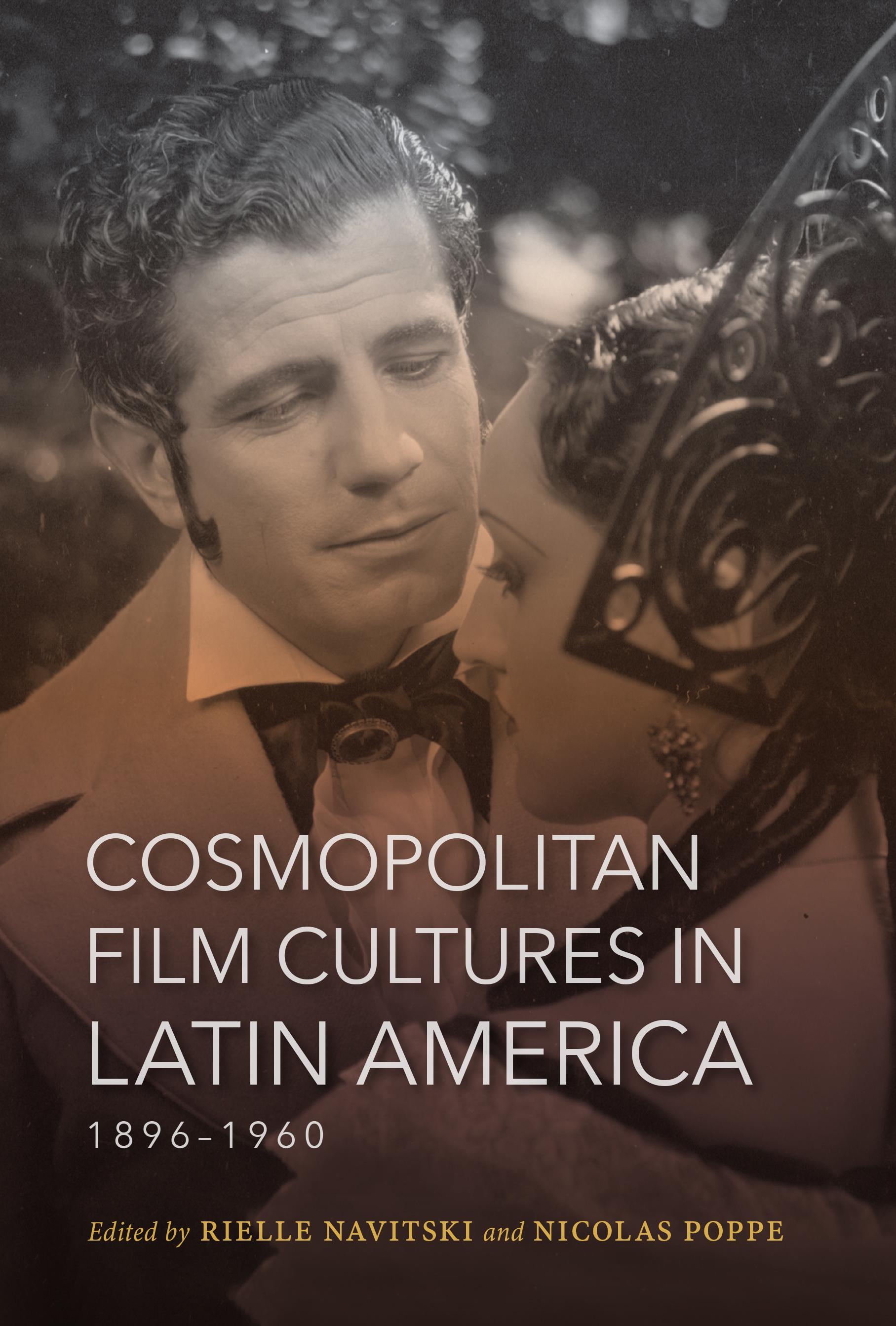
Cosmopolitan Film Cultures in Latin America, 1896-1960
Cosmopolitan Film Cultures in Latin America examines how cinema forged cultural connections between Latin American publics and film-exporting nations in the first half of the twentieth century. Predating today's transnational media industries by several decades, these connections were defined by active economic and cultural exchanges, as well as longstanding inequalities in political power and cultural capital. The essays explore the arrival and expansion of cinema throughout the region, from the first screenings of the Lumière Cinématographe in 1896 to the emergence of new forms of cinephilia and cult spectatorship in the 1940s and beyond. Examining these transnational exchanges through the lens of the cosmopolitan, which emphasizes the ethical and political dimensions of cultural consumption, illuminates the role played by moving images in negotiating between the local, national, and global, and between the popular and the elite in twentieth-century Latin America. In addition, primary historical documents provide vivid accounts of Latin American film critics, movie audiences, and film industry workers' experiences with moving images produced elsewhere, encounters that were deeply rooted in the local context, yet also opened out onto global horizons.
Betal enkelt med kort, Klarna, Apple Pay eller Google Pay. Ikke fornøyd? Du har alltid 14 dagers angrerett. Les mer i våre vilkår. Har du spørsmål, send oss en e-post på hello@memmo.org.
Memmo gjør det enklere å studere – uansett hvor du er i verden. Hos oss samler du pensumbøker og smarte studieverktøy på ett og samme sted: sammendrag, quizer, podkaster og flashcards. Og så Ted, din studiekompis som svarer på alt du lurer på. Over 50 000 studenter studerer allerede her – bygget for at du skal lære raskere og stresse mindre.