
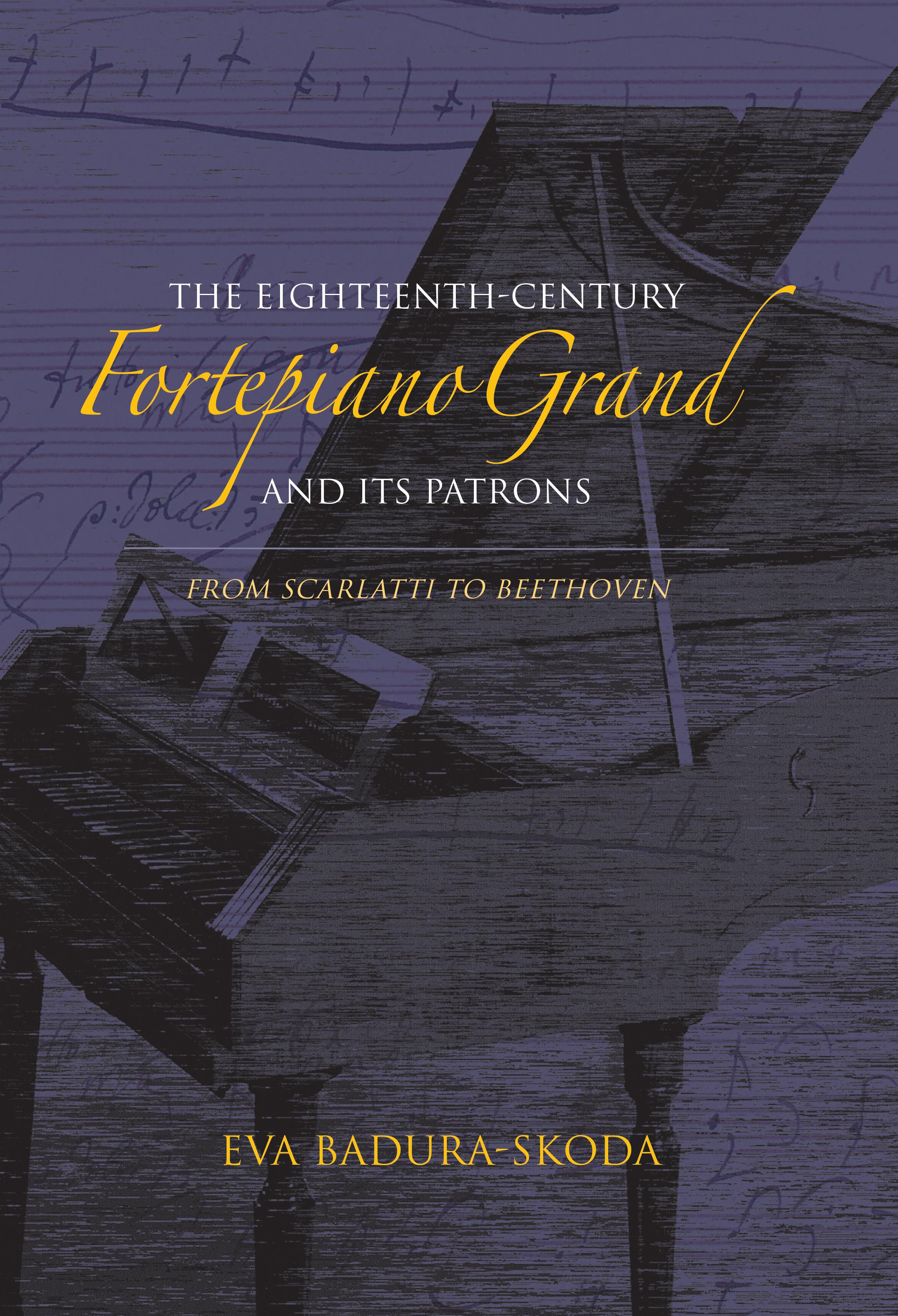
In the late 17th century, Italian musician and inventor Bartolomeo Cristofori developed a new musical instrument—his cembalo che fa il piano e forte, which allowed keyboard players flexible dynamic gradation. This innovation, which came to be known as the hammer-harpsichord or fortepiano grand, was slow to catch on in musical circles. However, as renowned piano historian Eva Badura-Skoda demonstrates, the instrument inspired new keyboard techniques and performance practices and was eagerly adopted by virtuosos of the age, including Scarlatti, J. S. Bach, Clementi, Haydn, Mozart, and Beethoven. Presenting a rich array of archival evidence, Badura-Skoda traces the construction and use of the fortepiano grand across the musical cultures of 18th-century Europe, providing a valuable resource for music historians, organologists, and performers.
Betal enkelt med kort, Klarna, Apple Pay eller Google Pay. Ikke fornøyd? Du har alltid 14 dagers angrerett. Les mer i våre vilkår. Har du spørsmål, send oss en e-post på hello@memmo.org.
Memmo gjør det enklere å studere – uansett hvor du er i verden. Hos oss samler du pensumbøker og smarte studieverktøy på ett og samme sted: sammendrag, quizer, podkaster og flashcards. Og så Ted, din studiekompis som svarer på alt du lurer på. Over 50 000 studenter studerer allerede her – bygget for at du skal lære raskere og stresse mindre.