
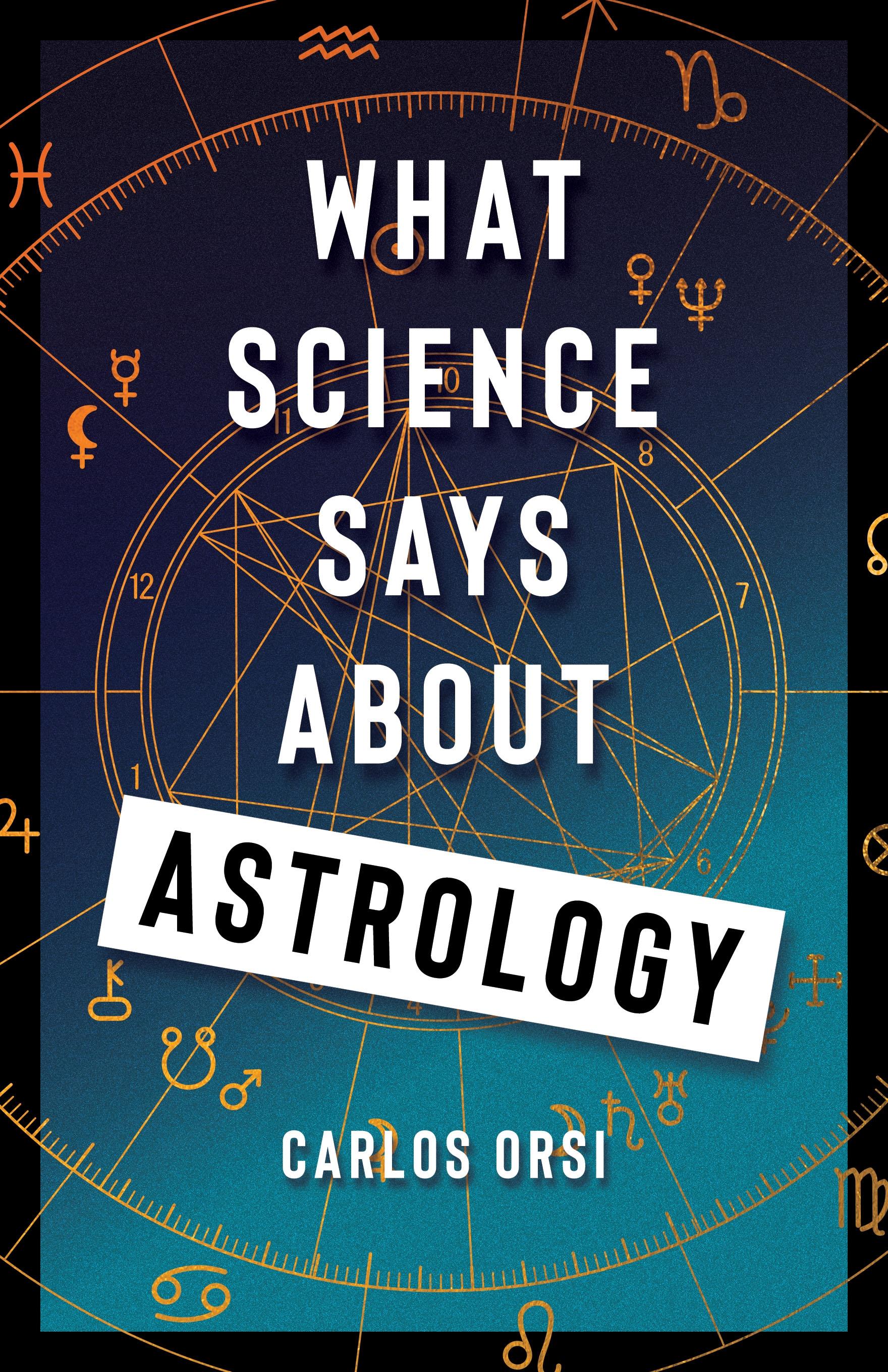
For thousands of years, people have believed that the configuration of stars and planets in the sky influences earthly events. Today, astrology is a lucrative global market, with newspaper columns, mobile apps, and professional counselors weighing in on everything from love life to health to the stock market. Yet scientific evidence shows indisputably that it is simply superstition. Why does astrology appeal to so many people? What makes its prognostications seem persuasive? Is there any harm to believing in astrology anyway?
This book aims a scientific lens at astrology, from its colorful history to experimental tests of its predictions through the social and psychological factors that explain its enduring popularity. Carlos Orsi explores the importance of astrology to the history of science and the reasons it has been categorized as a pseudoscience. He investigates its tenets, recounting how scientists debunked common claims. With both empathy and skepticism, Orsi illuminates the psychological, rhetorical, and emotional mechanisms that cause people to find astrological predictions convincing. He also addresses the dangers of irrational beliefs and the risks of applying astrology to serious decisions. Wide-ranging and entertaining, this book offers a critical look at the modern appeal of an ancient superstition.
Betal enkelt med kort, Klarna, Apple Pay eller Google Pay. Ikke fornøyd? Du har alltid 14 dagers angrerett. Les mer i våre vilkår. Har du spørsmål, send oss en e-post på hello@memmo.org.
Memmo gjør det enklere å studere – uansett hvor du er i verden. Hos oss samler du pensumbøker og smarte studieverktøy på ett og samme sted: sammendrag, quizer, podkaster og flashcards. Og så Ted, din studiekompis som svarer på alt du lurer på. Over 50 000 studenter studerer allerede her – bygget for at du skal lære raskere og stresse mindre.