
Longlisted, 2026 Kraszna-Krausz Book Award for Best Moving Image Book, Kraszna-Krausz Foundation
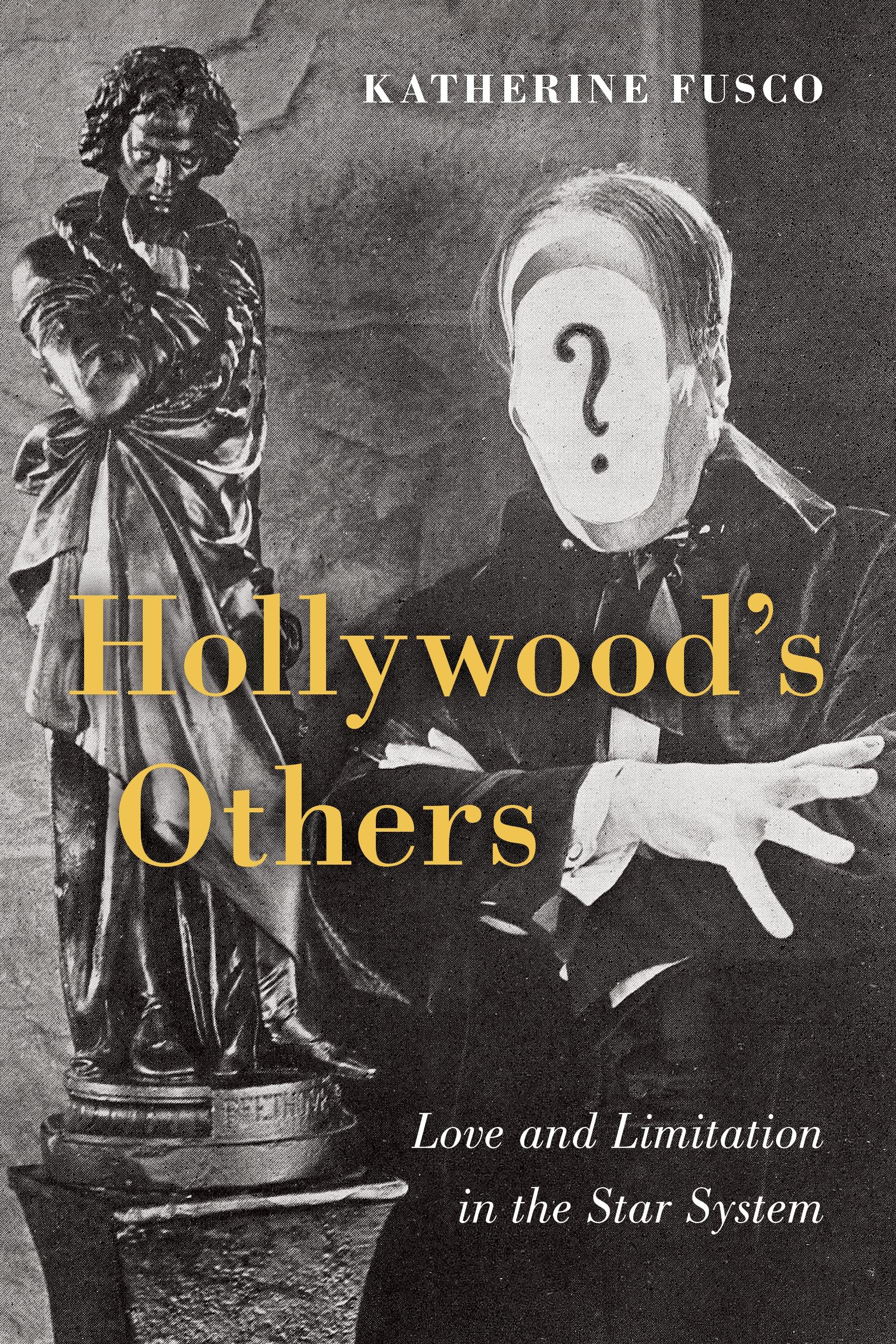
We tend to think about movie stars as either glamorous or relatable. But in the 1920s and 1930s, when the Hollywood star system was taking shape, a number of unusual stars appeared on the silver screen, representing groups from which the American mainstream typically sought to avert its eyes. What did it mean for a white entertainment columnist to empathize with an ambiguously gendered Black child star? Or for boys to idolize Lon Chaney, famous for portraying characters with disabilities?
Hollywood’s Others explores the affective ties between white, non-disabled audiences and the fascinatingly different stars with whom they identified—but only up to a point. Katherine Fusco argues that stardom in this era at once offered ways for viewers to connect across group boundaries while also policing the limits of empathy. Examining fan magazines alongside film performances, she traces the intense audience attachment to atypical celebrities and the ways the film industry sought to manage it. Fusco considers Shirley Temple’s career in light of child labor laws and changing notions of childhood; shows how white viewers responded to Black music in depictions of the antebellum South; and analyzes the gender politics of conspiracy theories around celebrity suicides. Shedding light on marginalized stardoms and the anxieties they provoked, Hollywood’s Others challenges common notions about film’s capacity to build empathy.
Betal enkelt med kort, Klarna, Apple Pay eller Google Pay. Ikke fornøyd? Du har alltid 14 dagers angrerett. Les mer i våre vilkår. Har du spørsmål, send oss en e-post på hello@memmo.org.
Memmo gjør det enklere å studere – uansett hvor du er i verden. Hos oss samler du pensumbøker og smarte studieverktøy på ett og samme sted: sammendrag, quizer, podkaster og flashcards. Og så Ted, din studiekompis som svarer på alt du lurer på. Over 50 000 studenter studerer allerede her – bygget for at du skal lære raskere og stresse mindre.