
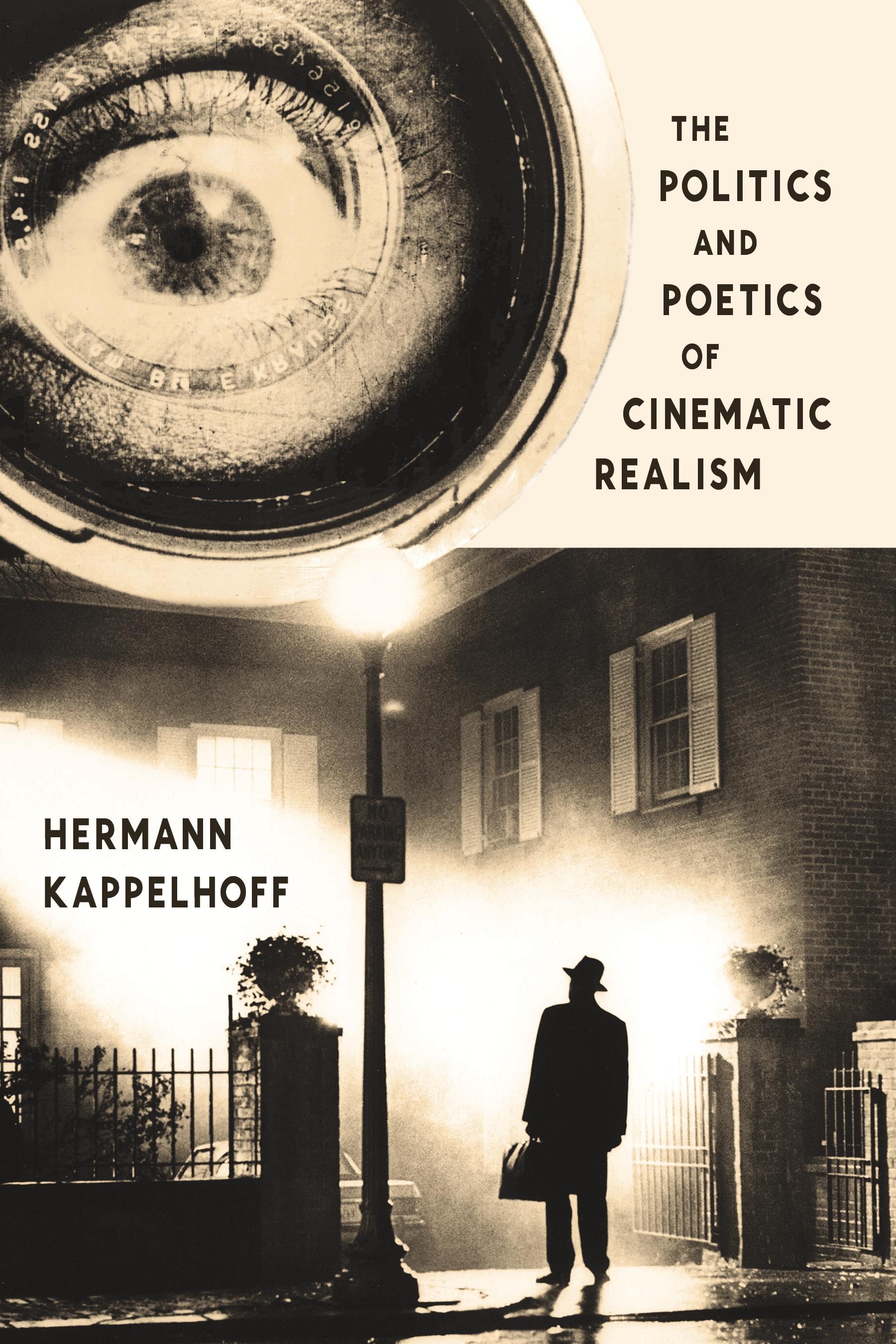
Hermann Kappelhoff casts the evolution of cinema as an ongoing struggle to relate audiences to their historical moment. Appreciating cinema's unique ability to bind concrete living conditions to individual experience (which existing political institutions cannot), he reads films by Sergei Eisenstein and Pedro Almodóvar, by the New Objectivity and the New Hollywood, to demonstrate how cinema situates spectators within society.
Kappelhoff applies the Deleuzean practice of "thinking in images" to his analysis of films and incorporates the approaches of Jacques Rancière and Richard Rorty, who see politics in the permanent reconfiguration of poetic forms. This enables him to conceptualize film as a medium that continually renews the audiovisual spaces and temporalities through which audiences confront reality. Revitalizing the reading of films by Visconti, Fassbinder, Kubrick, Friedkin, and others, Kappelhoff affirms cinema's historical significance while discovering its engagement with politics as a realm of experience.
Betal enkelt med kort, Klarna, Apple Pay eller Google Pay. Ikke fornøyd? Du har alltid 14 dagers angrerett. Les mer i våre vilkår. Har du spørsmål, send oss en e-post på hello@memmo.org.
Memmo gjør det enklere å studere – uansett hvor du er i verden. Hos oss samler du pensumbøker og smarte studieverktøy på ett og samme sted: sammendrag, quizer, podkaster og flashcards. Og så Ted, din studiekompis som svarer på alt du lurer på. Over 50 000 studenter studerer allerede her – bygget for at du skal lære raskere og stresse mindre.