
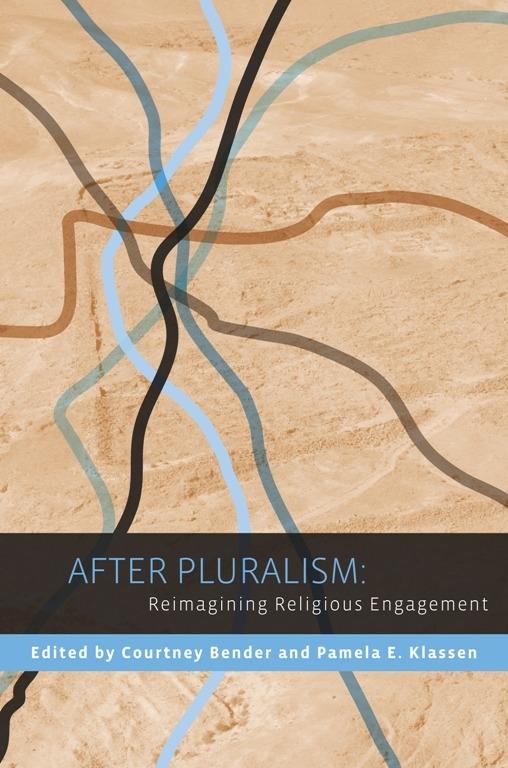
The contributors to this volume treat pluralism as a concept that is historically and ideologically produced or, put another way, as a doctrine that is embedded within a range of political, civic, and cultural institutions. Their critique considers how religious difference is framed as a problem that only pluralism can solve. Working comparatively across nations and disciplines, the essays in After Pluralism explore pluralism as a "term of art" that sets the norms of identity and the parameters of exchange, encounter, and conflict. Contributors locate pluralism's ideals in diverse sitesBroadway plays, Polish Holocaust memorials, Egyptian dream interpretations, German jails, and legal theoriesand demonstrate its shaping of political and social interaction in surprising and powerful ways. Throughout, they question assumptions underlying pluralism's discourse and its influence on the legal decisions that shape modern religious practice. Contributors do more than deconstruct this theory; they tackle what comes next. Having established the genealogy and effects of pluralism, they generate new questions for engaging the collective worlds and multiple registers in which religion operates.
Betal enkelt med kort, Klarna, Apple Pay eller Google Pay. Ikke fornøyd? Du har alltid 14 dagers angrerett. Les mer i våre vilkår. Har du spørsmål, send oss en e-post på hello@memmo.org.
Memmo gjør det enklere å studere – uansett hvor du er i verden. Hos oss samler du pensumbøker og smarte studieverktøy på ett og samme sted: sammendrag, quizer, podkaster og flashcards. Og så Ted, din studiekompis som svarer på alt du lurer på. Over 50 000 studenter studerer allerede her – bygget for at du skal lære raskere og stresse mindre.
Du vil kanskje også like
Kjøp boken0