
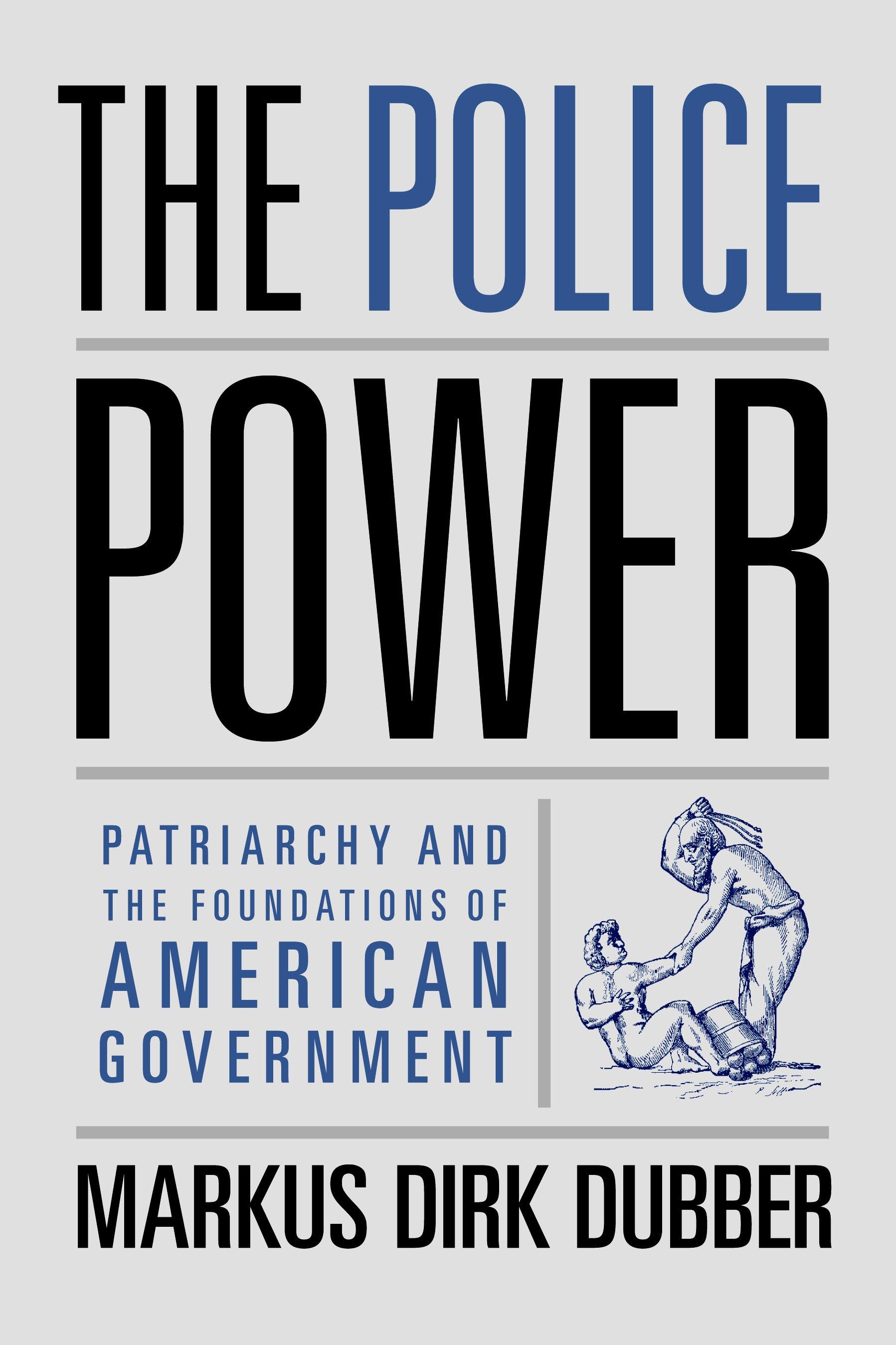
Mention the phrase Homeland Security and heated debates emerge about state uses and abuses of legal authority. This timely book is a comprehensive treatise on the constitutional and legal history behind the power of the modern state to police its citizens.
Dubber explores the roots of the power to police—the most expansive and least limitable of governmental powers—by focusing on its most obvious and problematic manifestation: criminal law. He argues that the defining characteristics of this power, including the inability to accurately define it, reflect its origins in the discretionary and virtually limitless patriarchal power of the householder over his household. The paradox of patriarchal police power as the most troubling yet least scrutinized of governmental powers can begin to be resolved by subjecting this branch of government to the critical analysis it merits. Dubber shows us that the question must become how can the police power and criminal law together serve the goals of social equity that define and give direction to contemporary democratic societies? This book goes to the heart of this neglected but crucial topic.
Betal enkelt med kort, Klarna, Apple Pay eller Google Pay. Ikke fornøyd? Du har alltid 14 dagers angrerett. Les mer i våre vilkår. Har du spørsmål, send oss en e-post på hello@memmo.org.
Memmo gjør det enklere å studere – uansett hvor du er i verden. Hos oss samler du pensumbøker og smarte studieverktøy på ett og samme sted: sammendrag, quizer, podkaster og flashcards. Og så Ted, din studiekompis som svarer på alt du lurer på. Over 50 000 studenter studerer allerede her – bygget for at du skal lære raskere og stresse mindre.