
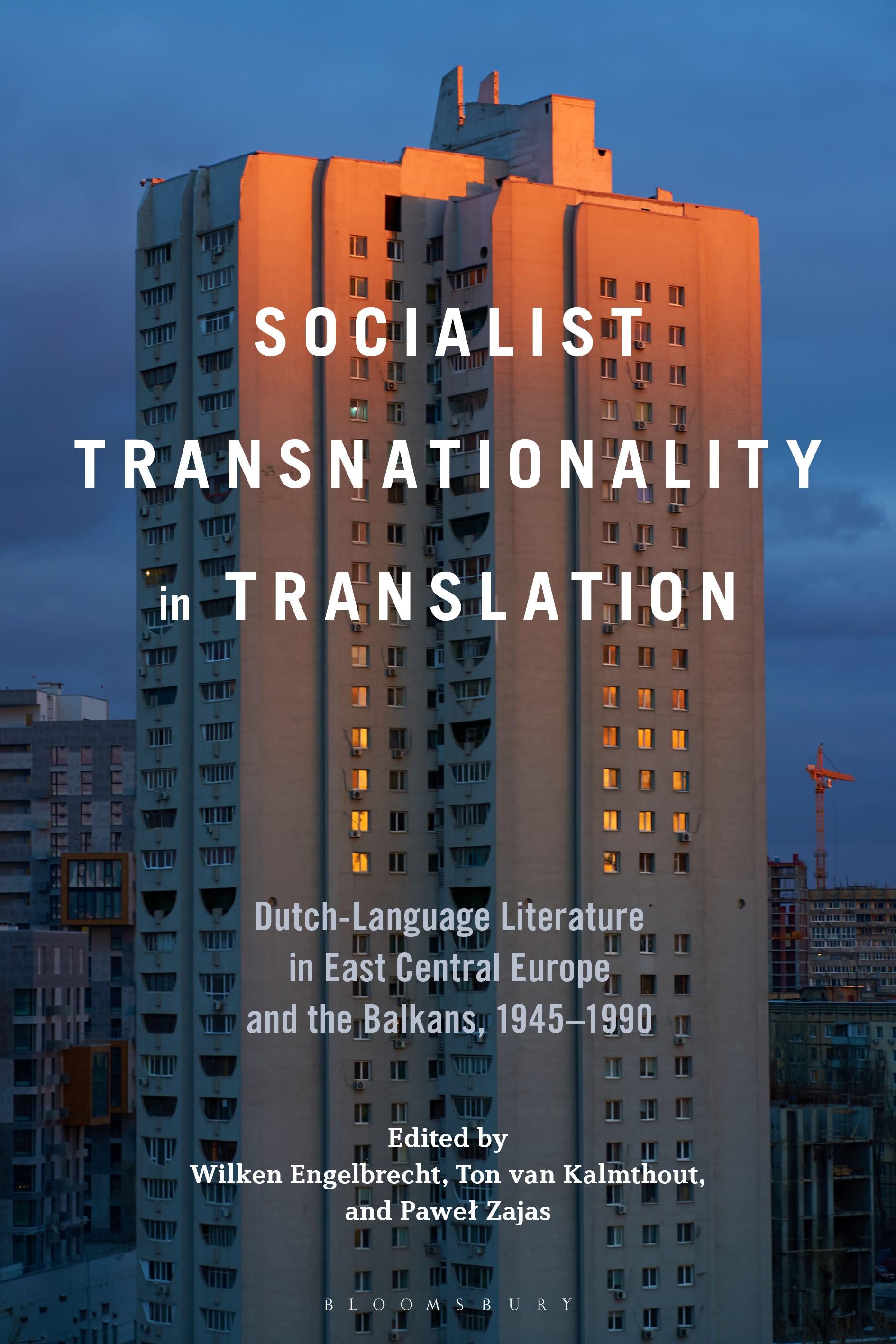
The first study examining the translation and reception of Dutch literature in Eastern and Central Europe during the restrictive era of socialist and totalitarian political systems.
In nearly all Central Eastern European and Balkan countries in the years between 1945-1990, there was a considerable increase in the number of titles translated from Dutch into the respective native languages. Socialist Transnationality in Translation explores how translators and publishers in Central East Europe and Yugoslavia were able to present a rather representative picture of Dutch and Flemish literature to readers notwithstanding restrictions caused by the official political doctrine of Socialist Realism as well as censorship and economic difficulties posed by a lack of foreign currency to pay translation rights.
Beginning with a brief overview of the history of the region from 1945-1990, this volume examines the development of Dutch literature, then turns to the literary norms of the time as partly dictated by ideology during this period. The volume then looks at the development of translations from Dutch in connection with the development of Dutch as an academic subject – in many cases, the increase in Dutch translations was joined with the foundation of lectureships or chairs of Dutch Studies – and discusses the actors involved in the transfer of foreign literature in the region and the influence of censorship on that transfer. The work concludes with a discussion of what was published and why, based on the interaction between ideology on the one hand and the genuine literary interest of publishers and translators on the other.
In nearly all Central Eastern European and Balkan countries in the years between 1945-1990, there was a considerable increase in the number of titles translated from Dutch into the respective native languages. Socialist Transnationality in Translation explores how translators and publishers in Central East Europe and Yugoslavia were able to present a rather representative picture of Dutch and Flemish literature to readers notwithstanding restrictions caused by the official political doctrine of Socialist Realism as well as censorship and economic difficulties posed by a lack of foreign currency to pay translation rights.
Beginning with a brief overview of the history of the region from 1945-1990, this volume examines the development of Dutch literature, then turns to the literary norms of the time as partly dictated by ideology during this period. The volume then looks at the development of translations from Dutch in connection with the development of Dutch as an academic subject – in many cases, the increase in Dutch translations was joined with the foundation of lectureships or chairs of Dutch Studies – and discusses the actors involved in the transfer of foreign literature in the region and the influence of censorship on that transfer. The work concludes with a discussion of what was published and why, based on the interaction between ideology on the one hand and the genuine literary interest of publishers and translators on the other.
Pagina's: 328
Categorie: Litteraturvetenskap & Teori
e-ISBN: 9798765113721
Verzendgewicht: 1.2 kg
Verzending binnen: 1-2 dagen
Betaal eenvoudig met kaart, Klarna, Apple Pay of Google Pay. Niet tevreden? Je hebt altijd 14 dagen bedenktijd. Lees meer in onze voorwaarden. Heb je vragen, mail ons dan via hello@memmo.org.
Memmo maakt studeren makkelijker – waar je ook bent ter wereld. Wij brengen je cursusboeken en slimme studietools samen op één plek: samenvattingen, quizzen, podcasts en flashcards. En Ted, je studievriend die antwoord geeft op alles wat je je afvraagt. Meer dan 50.000 studenten studeren hier al – gebouwd om je sneller te laten leren en minder stress te geven.