
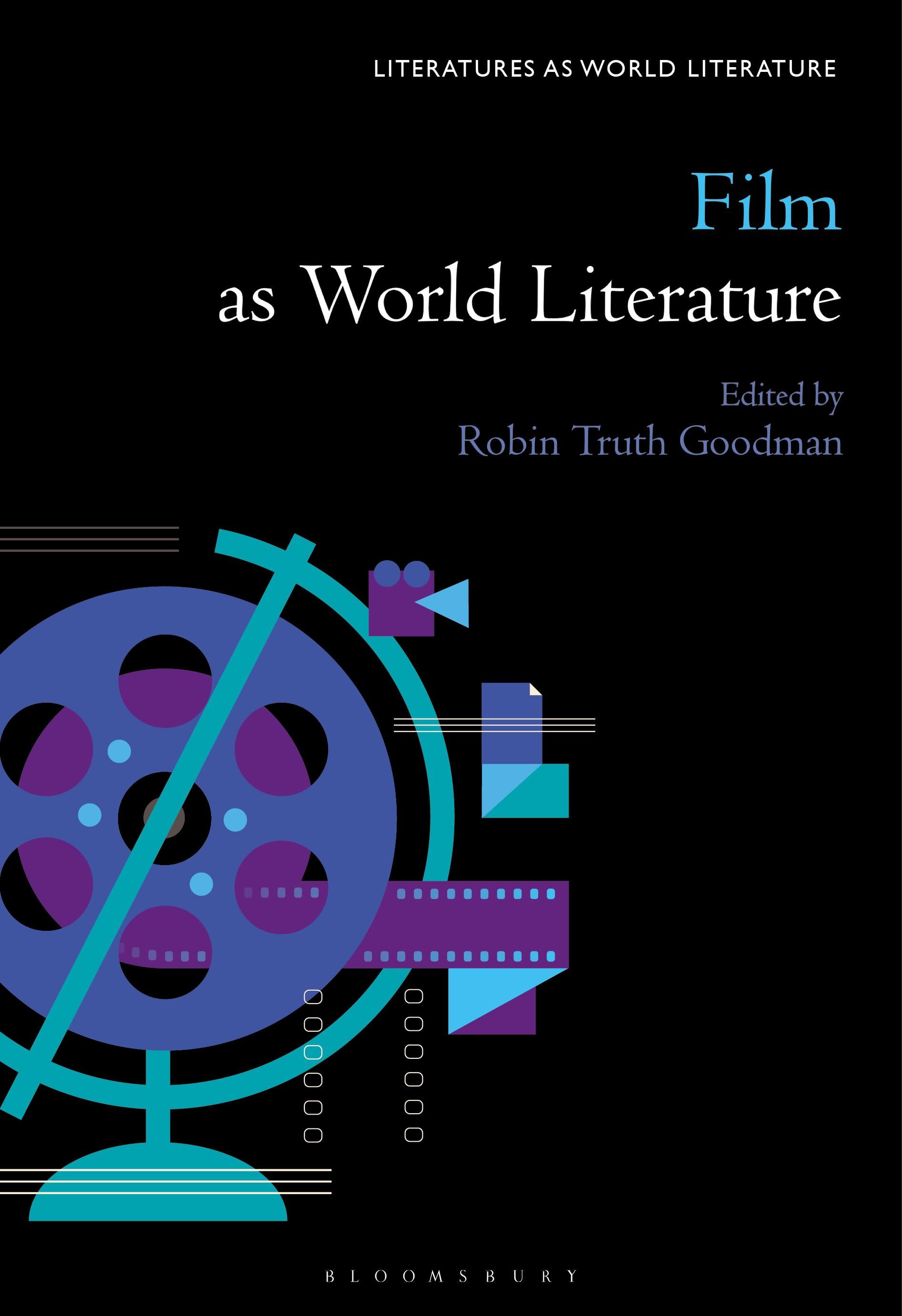
Redefines the theoretical and thematic contents of world literature by considering it in connection with film.
What gets lost when we understand film as essentially different from literature? What gets lost when we think them essentially the same? Does the constructed difference between literature and film also create social and political exclusions, exclusions that may exacerbate class struggle or exclusions of certain ways of thinking the future as different? Film as World Literature seeks to undo disciplines and disciplinarity: the division between film and literature, indeed, conceals the possibilities of “world” by bracketing out “undisciplined” parts.
Contributors apply ideas of “translatability” and “untranslatability” not just as a linguistic exercise of transfers between language groups, cultures, and national origins but also as an approach to media and transfers between media. Is film a visual acknowledgement that literary language is, by definition, multilingual – that is, is film a place where political conflicts, as Bakhtin observed, can be rendered visible? Chapters discuss film's relation to world literature not only by considering literary adaptations across nations, regions, languages, ideologies, and contexts but also by exploring film's intersections with literary theory, narrative, history, genre, and experimentation.
Film as World Literature calls for recognition that while the category of “world” demands a radical defense in the face of risks to democracy, the world that literature and film combined bring forth must interrogate the conditions for a future politics of interaction, engagement, belonging, and difference.
What gets lost when we understand film as essentially different from literature? What gets lost when we think them essentially the same? Does the constructed difference between literature and film also create social and political exclusions, exclusions that may exacerbate class struggle or exclusions of certain ways of thinking the future as different? Film as World Literature seeks to undo disciplines and disciplinarity: the division between film and literature, indeed, conceals the possibilities of “world” by bracketing out “undisciplined” parts.
Contributors apply ideas of “translatability” and “untranslatability” not just as a linguistic exercise of transfers between language groups, cultures, and national origins but also as an approach to media and transfers between media. Is film a visual acknowledgement that literary language is, by definition, multilingual – that is, is film a place where political conflicts, as Bakhtin observed, can be rendered visible? Chapters discuss film's relation to world literature not only by considering literary adaptations across nations, regions, languages, ideologies, and contexts but also by exploring film's intersections with literary theory, narrative, history, genre, and experimentation.
Film as World Literature calls for recognition that while the category of “world” demands a radical defense in the face of risks to democracy, the world that literature and film combined bring forth must interrogate the conditions for a future politics of interaction, engagement, belonging, and difference.
Pagina's: 312
Categorie: Film- & Medievetenskap
e-ISBN: 9798765113424
Verzendgewicht: 1.2 kg
Verzending binnen: 1-2 dagen
Betaal eenvoudig met kaart, Klarna, Apple Pay of Google Pay. Niet tevreden? Je hebt altijd 14 dagen bedenktijd. Lees meer in onze voorwaarden. Heb je vragen, mail ons dan via hello@memmo.org.
Memmo maakt studeren makkelijker – waar je ook bent ter wereld. Wij brengen je cursusboeken en slimme studietools samen op één plek: samenvattingen, quizzen, podcasts en flashcards. En Ted, je studievriend die antwoord geeft op alles wat je je afvraagt. Meer dan 50.000 studenten studeren hier al – gebouwd om je sneller te laten leren en minder stress te geven.