
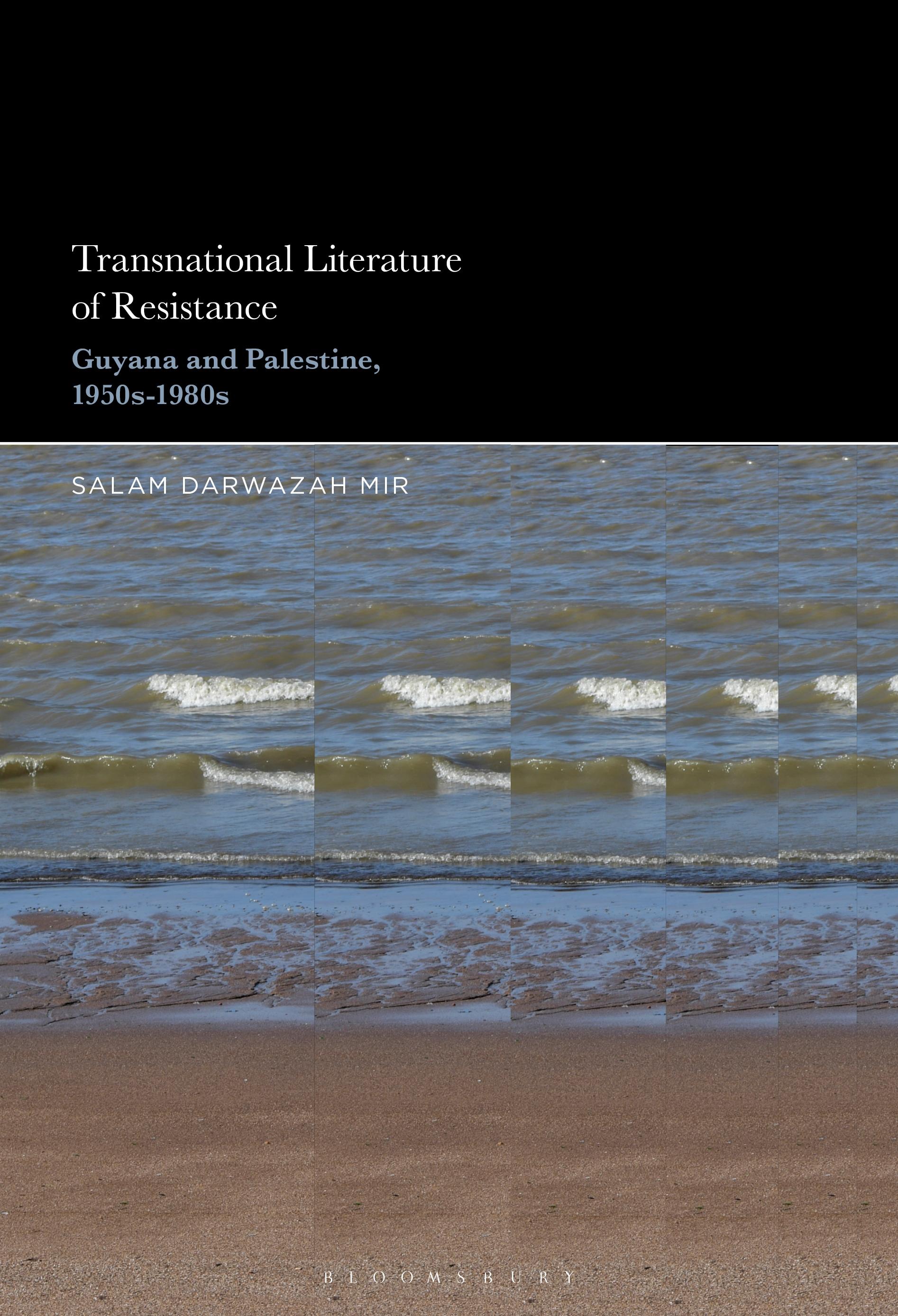
Fills a gap in comparative studies, interrogating strategies of Empire in dominating the Indigenous and linking two modern cultures from the Global South.
Transnational Literature of Resistance compares and contrasts resistance literatures from Guyana – a British exploitation colony – and Palestine – a settler colony – at a specific historical moment. Salam Darwazah Mir contests the provinciality and Eurocentric focus of comparative literature; delivers the discipline's universal objectives; and expands the discipline's practice by comparing two literatures and histories from the Global South.
Mir situates the literatures within their wider historical and literary heritage, a move that links the two countries from within the colonial/imperial framework. She argues that the British invasion of the protectorate of British Guiana in 1953 and the founding of the settler colony in Palestine in 1948, with imperial Britain at the helm, are colonial acts to strengthen and sustain Empire. The two colonial projects are evidence of the protean nature of Empire that evolves, reinvents itself, and reconstructs new comparable ploys and strategies of controlling the Global South.
Within this context, the emergence of poetry of resistance in both countries at this historical juncture is part and parcel of other forms of resistance during decolonization, linking the formerly colonized and the presently colonized people in the Global South. It is examined from within the framework of postcolonial theory, as Mir reads poetry as the voice of the people in their demands for freedom, equality, and national independence. Resistance poetry is thus born out of the need to assert identity, redress invisibility and erasure, reclaim national space and land, and reconstruct the history of the Indigenous.
Transnational Literature of Resistance compares and contrasts resistance literatures from Guyana – a British exploitation colony – and Palestine – a settler colony – at a specific historical moment. Salam Darwazah Mir contests the provinciality and Eurocentric focus of comparative literature; delivers the discipline's universal objectives; and expands the discipline's practice by comparing two literatures and histories from the Global South.
Mir situates the literatures within their wider historical and literary heritage, a move that links the two countries from within the colonial/imperial framework. She argues that the British invasion of the protectorate of British Guiana in 1953 and the founding of the settler colony in Palestine in 1948, with imperial Britain at the helm, are colonial acts to strengthen and sustain Empire. The two colonial projects are evidence of the protean nature of Empire that evolves, reinvents itself, and reconstructs new comparable ploys and strategies of controlling the Global South.
Within this context, the emergence of poetry of resistance in both countries at this historical juncture is part and parcel of other forms of resistance during decolonization, linking the formerly colonized and the presently colonized people in the Global South. It is examined from within the framework of postcolonial theory, as Mir reads poetry as the voice of the people in their demands for freedom, equality, and national independence. Resistance poetry is thus born out of the need to assert identity, redress invisibility and erasure, reclaim national space and land, and reconstruct the history of the Indigenous.
Betaal eenvoudig met kaart, Klarna, Apple Pay of Google Pay. Niet tevreden? Je hebt altijd 14 dagen bedenktijd. Lees meer in onze voorwaarden. Heb je vragen, mail ons dan via hello@memmo.org.
Memmo maakt studeren makkelijker – waar je ook bent ter wereld. Wij brengen je cursusboeken en slimme studietools samen op één plek: samenvattingen, quizzen, podcasts en flashcards. En Ted, je studievriend die antwoord geeft op alles wat je je afvraagt. Meer dan 50.000 studenten studeren hier al – gebouwd om je sneller te laten leren en minder stress te geven.