
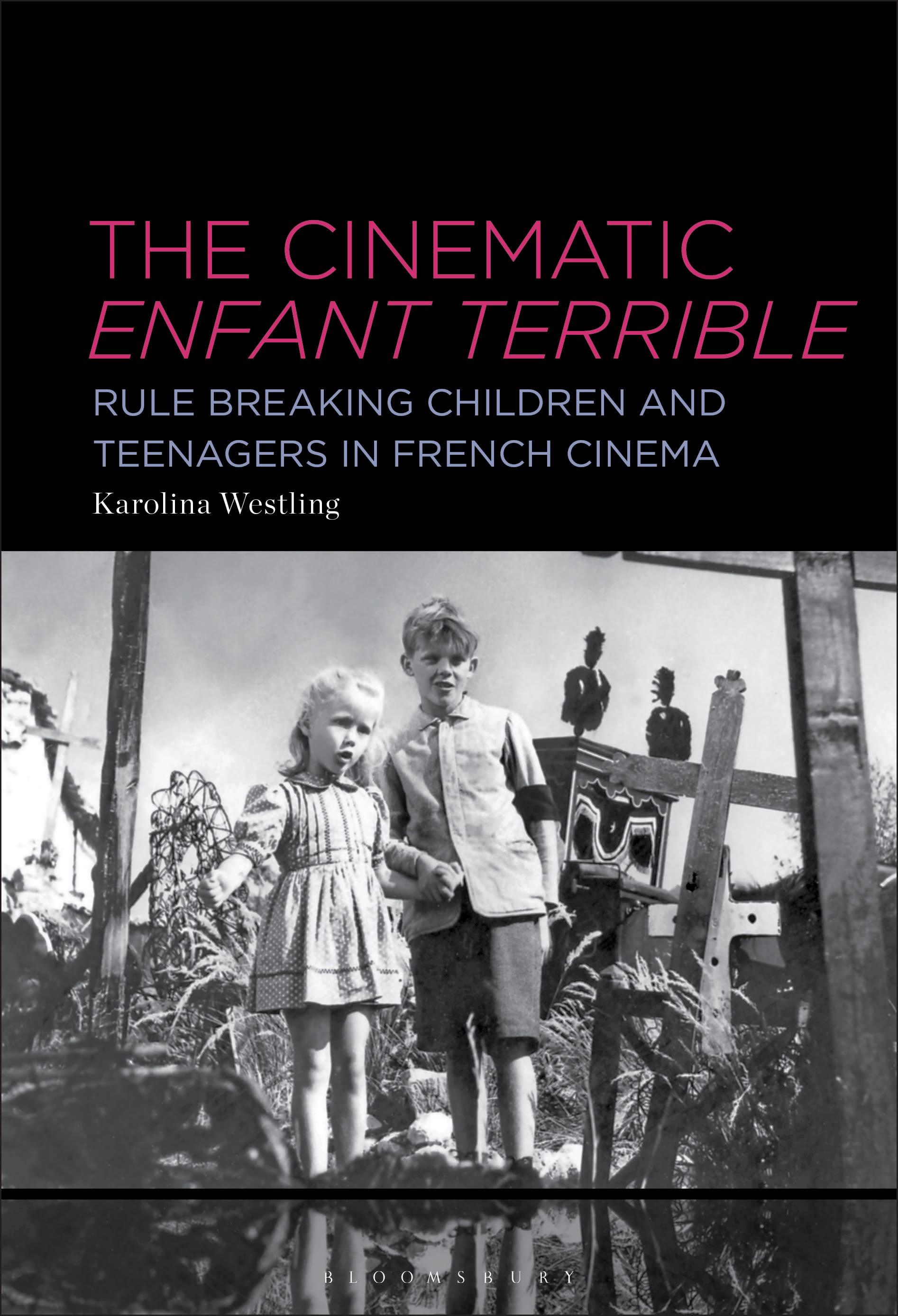
The Cinematic Enfant Terrible is a groundbreaking study of rule breakers in French cinema.
The book approaches the concept of the enfant terrible in the literal sense of the term – young people labelled 'terrible' (awful) by the adult generation. It explores a rich cinematic tradition from Jean Vigo's Zéro de conduite (1933) and François Truffaut's Les Quatre cents coups (1959), to Catherine Breillat's 36 fillette (1988) and Ladj Ly's Les Misérables (2019). The book encompasses the cinematic enfants terribles across age groups and genders, addressing the differences between unruly boys and rebellious teenage girls. The early post-war focus on juvenile delinquency and sexual provocations diversifies into filles fatales and angry girls, but also precarious boys and parents terribles.
The book charts the evolution of the enfant terrible concept from a negative label to a sympathetically-viewed figure of anti-authoritarian resistance, reflecting the changing position of children within the family in post-war France. The films address the ethical paradox of democratic upbringing – the dilemma of raising children to become obedient individuals with a mind of their own. The asymmetrical relationship between children and parents is seen as a tacit family contract that highlights the importance of an intergenerational perspective for the understanding of generational conflicts.
Rebellious children and teenagers on screen are seen in the light of wider social transformations. The book clarifies the interplay between individual protests and cultural currents such as existentialism, feminism and ethnic conflicts. This book will be of interest to scholars and students of French culture and cinema, childhood and youth studies, gender studies and cultural studies.
The book approaches the concept of the enfant terrible in the literal sense of the term – young people labelled 'terrible' (awful) by the adult generation. It explores a rich cinematic tradition from Jean Vigo's Zéro de conduite (1933) and François Truffaut's Les Quatre cents coups (1959), to Catherine Breillat's 36 fillette (1988) and Ladj Ly's Les Misérables (2019). The book encompasses the cinematic enfants terribles across age groups and genders, addressing the differences between unruly boys and rebellious teenage girls. The early post-war focus on juvenile delinquency and sexual provocations diversifies into filles fatales and angry girls, but also precarious boys and parents terribles.
The book charts the evolution of the enfant terrible concept from a negative label to a sympathetically-viewed figure of anti-authoritarian resistance, reflecting the changing position of children within the family in post-war France. The films address the ethical paradox of democratic upbringing – the dilemma of raising children to become obedient individuals with a mind of their own. The asymmetrical relationship between children and parents is seen as a tacit family contract that highlights the importance of an intergenerational perspective for the understanding of generational conflicts.
Rebellious children and teenagers on screen are seen in the light of wider social transformations. The book clarifies the interplay between individual protests and cultural currents such as existentialism, feminism and ethnic conflicts. This book will be of interest to scholars and students of French culture and cinema, childhood and youth studies, gender studies and cultural studies.
Pagina's: 288
Categorie: Film- & Medievetenskap
e-ISBN: 9798765105443
Verzendgewicht: 1.2 kg
Verzending binnen: 1-2 dagen
Betaal eenvoudig met kaart, Klarna, Apple Pay of Google Pay. Niet tevreden? Je hebt altijd 14 dagen bedenktijd. Lees meer in onze voorwaarden. Heb je vragen, mail ons dan via hello@memmo.org.
Memmo maakt studeren makkelijker – waar je ook bent ter wereld. Wij brengen je cursusboeken en slimme studietools samen op één plek: samenvattingen, quizzen, podcasts en flashcards. En Ted, je studievriend die antwoord geeft op alles wat je je afvraagt. Meer dan 50.000 studenten studeren hier al – gebouwd om je sneller te laten leren en minder stress te geven.