
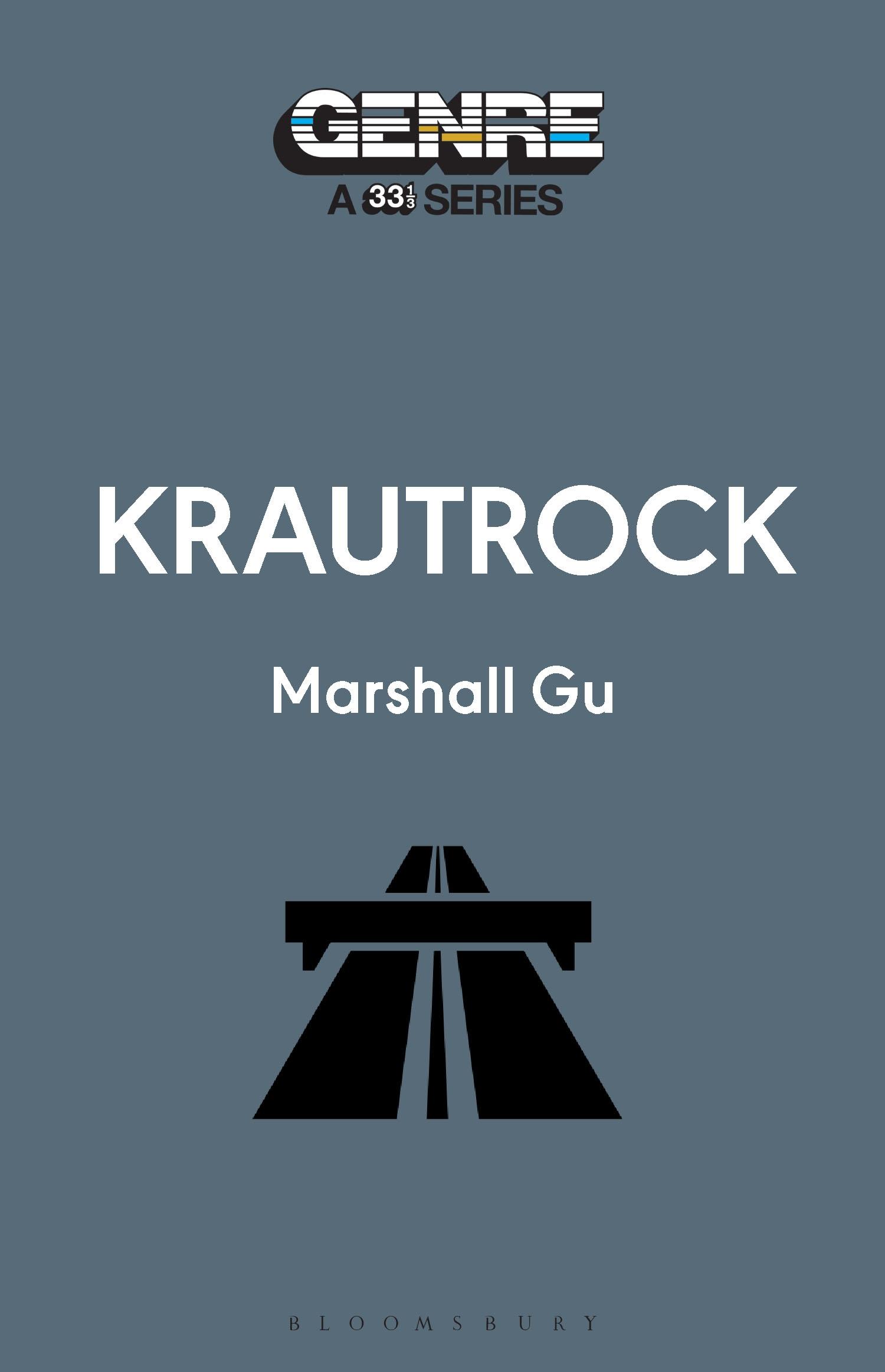
Krautrock is not a music genre. Krautrock is a way of life. Its sonic diversity and global reach belie the common culture from where it emerged. This is a band-by-band history.
In May 1945, the Allies defeated Nazi Germany, putting an end to the European front of World War II and the Third Reich. In the immediate aftermath, German youth were tasked to create their own culture. Krautrock is this unlikely success story, as hundreds of bands-including Kraftwerk and Can-seemed to sprout overnight in the early 1970s, forging a unique and experimental sound that was different than American or British rock. The major innovation of krautrock is not only its motorik beat, the steady click-click of Can's Jaki Liebezeit or monolithic stomp-stomp of Neu!'s Klaus Dinger, but also how the musicians relate to each other. In krautrock, no musician is given more focus than any other, and listening to these bands is to witness interplay common in jazz music. Thus, krautrock represents German politics reflected in music: a dictatorship replaced by democracy.
Krautrock explores the history and methodology of the genre, charting its influences and innovations, its more mainstream acts (like Faust, Kraftwerk, and Can) as well as the less universally known (including Harmonia, Popol Vuh, Embryo, and Ash Ra Tempel), and how the genre developed in post-war Germany and what it means to today's listeners.
In May 1945, the Allies defeated Nazi Germany, putting an end to the European front of World War II and the Third Reich. In the immediate aftermath, German youth were tasked to create their own culture. Krautrock is this unlikely success story, as hundreds of bands-including Kraftwerk and Can-seemed to sprout overnight in the early 1970s, forging a unique and experimental sound that was different than American or British rock. The major innovation of krautrock is not only its motorik beat, the steady click-click of Can's Jaki Liebezeit or monolithic stomp-stomp of Neu!'s Klaus Dinger, but also how the musicians relate to each other. In krautrock, no musician is given more focus than any other, and listening to these bands is to witness interplay common in jazz music. Thus, krautrock represents German politics reflected in music: a dictatorship replaced by democracy.
Krautrock explores the history and methodology of the genre, charting its influences and innovations, its more mainstream acts (like Faust, Kraftwerk, and Can) as well as the less universally known (including Harmonia, Popol Vuh, Embryo, and Ash Ra Tempel), and how the genre developed in post-war Germany and what it means to today's listeners.
Betaal eenvoudig met kaart, Klarna, Apple Pay of Google Pay. Niet tevreden? Je hebt altijd 14 dagen bedenktijd. Lees meer in onze voorwaarden. Heb je vragen, mail ons dan via hello@memmo.org.
Memmo maakt studeren makkelijker – waar je ook bent ter wereld. Wij brengen je cursusboeken en slimme studietools samen op één plek: samenvattingen, quizzen, podcasts en flashcards. En Ted, je studievriend die antwoord geeft op alles wat je je afvraagt. Meer dan 50.000 studenten studeren hier al – gebouwd om je sneller te laten leren en minder stress te geven.