
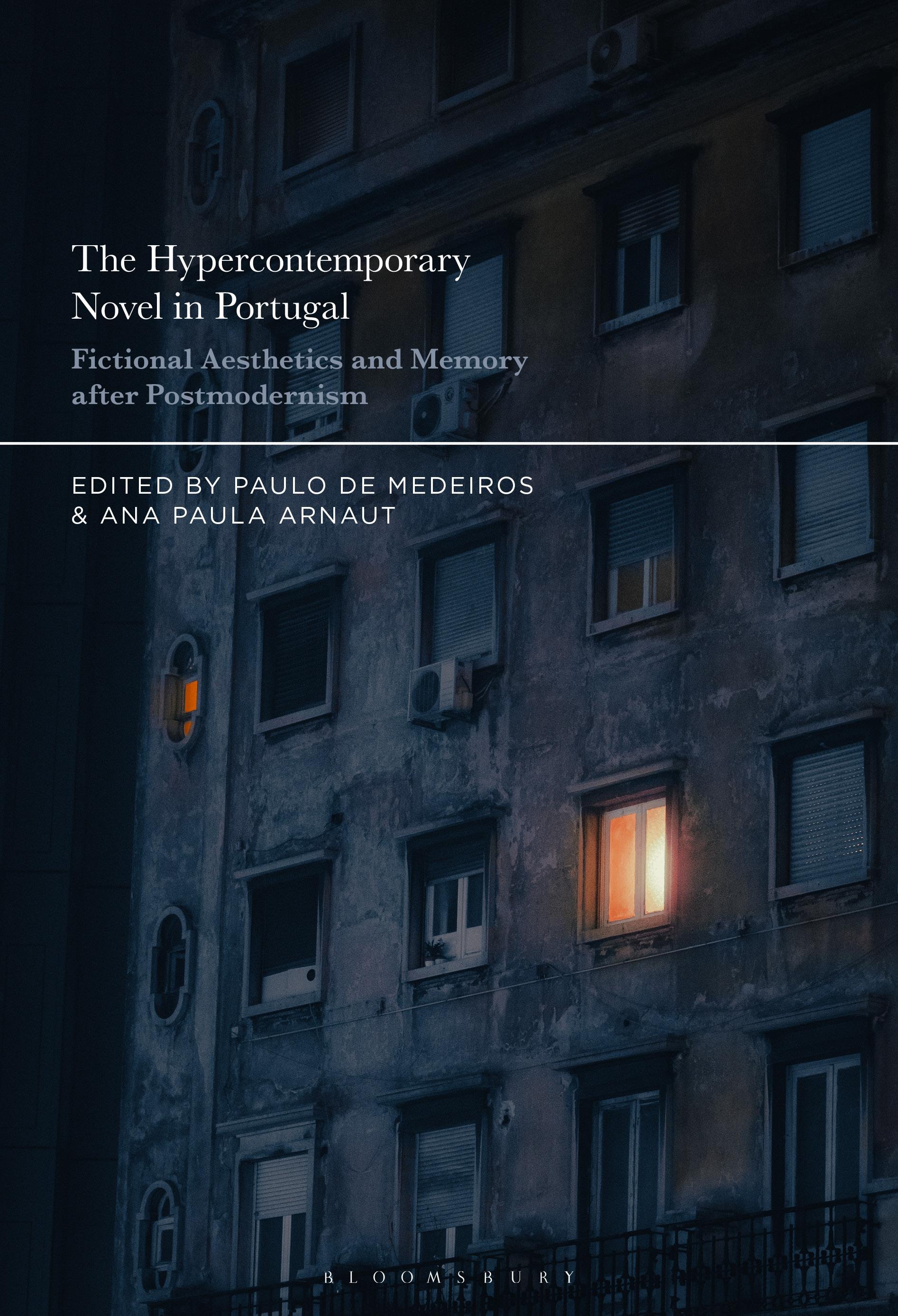
The first volume of critical essays on the contemporary Portuguese novel in English, this book theorizes the concept of the 'hypercontemporary' as a way of reading the novel after its postmodern period.
This inquiry into the notion of the hypercontemporary in its literary and cultural articulations analyzes a varied group of works representative of the most vibrant novels published in Portugal since 2000. The editors' introductory chapter theorizes the concept of the hypercontemporary as one way of looking at the novel after its postmodern period – especially in its relation to questions of violence, memory and performativity.
These essays show how the Portuguese novel has evolved in the past 25 years, and how, in their diversity, most of these novels exhibit several common traits, including new topics and writing strategies – sometimes developing further entropic lines characteristic of many Postmodern narratives – and themes of violence, rapid transformation, and the many threats to a contemporary world that seems mass-produced due to greater technological advances. Readings also discuss the use of innovative graphic forms available from current print technologies and global networks.
The Hypercontemporary Novel in Portugal provides a necessary understanding of the current literary landscape of Portugal and, in the process, the aesthetics of hyperrealism or post-postmodernism.
This inquiry into the notion of the hypercontemporary in its literary and cultural articulations analyzes a varied group of works representative of the most vibrant novels published in Portugal since 2000. The editors' introductory chapter theorizes the concept of the hypercontemporary as one way of looking at the novel after its postmodern period – especially in its relation to questions of violence, memory and performativity.
These essays show how the Portuguese novel has evolved in the past 25 years, and how, in their diversity, most of these novels exhibit several common traits, including new topics and writing strategies – sometimes developing further entropic lines characteristic of many Postmodern narratives – and themes of violence, rapid transformation, and the many threats to a contemporary world that seems mass-produced due to greater technological advances. Readings also discuss the use of innovative graphic forms available from current print technologies and global networks.
The Hypercontemporary Novel in Portugal provides a necessary understanding of the current literary landscape of Portugal and, in the process, the aesthetics of hyperrealism or post-postmodernism.
Betaal eenvoudig met kaart, Klarna, Apple Pay of Google Pay. Niet tevreden? Je hebt altijd 14 dagen bedenktijd. Lees meer in onze voorwaarden. Heb je vragen, mail ons dan via hello@memmo.org.
Memmo maakt studeren makkelijker – waar je ook bent ter wereld. Wij brengen je cursusboeken en slimme studietools samen op één plek: samenvattingen, quizzen, podcasts en flashcards. En Ted, je studievriend die antwoord geeft op alles wat je je afvraagt. Meer dan 50.000 studenten studeren hier al – gebouwd om je sneller te laten leren en minder stress te geven.