
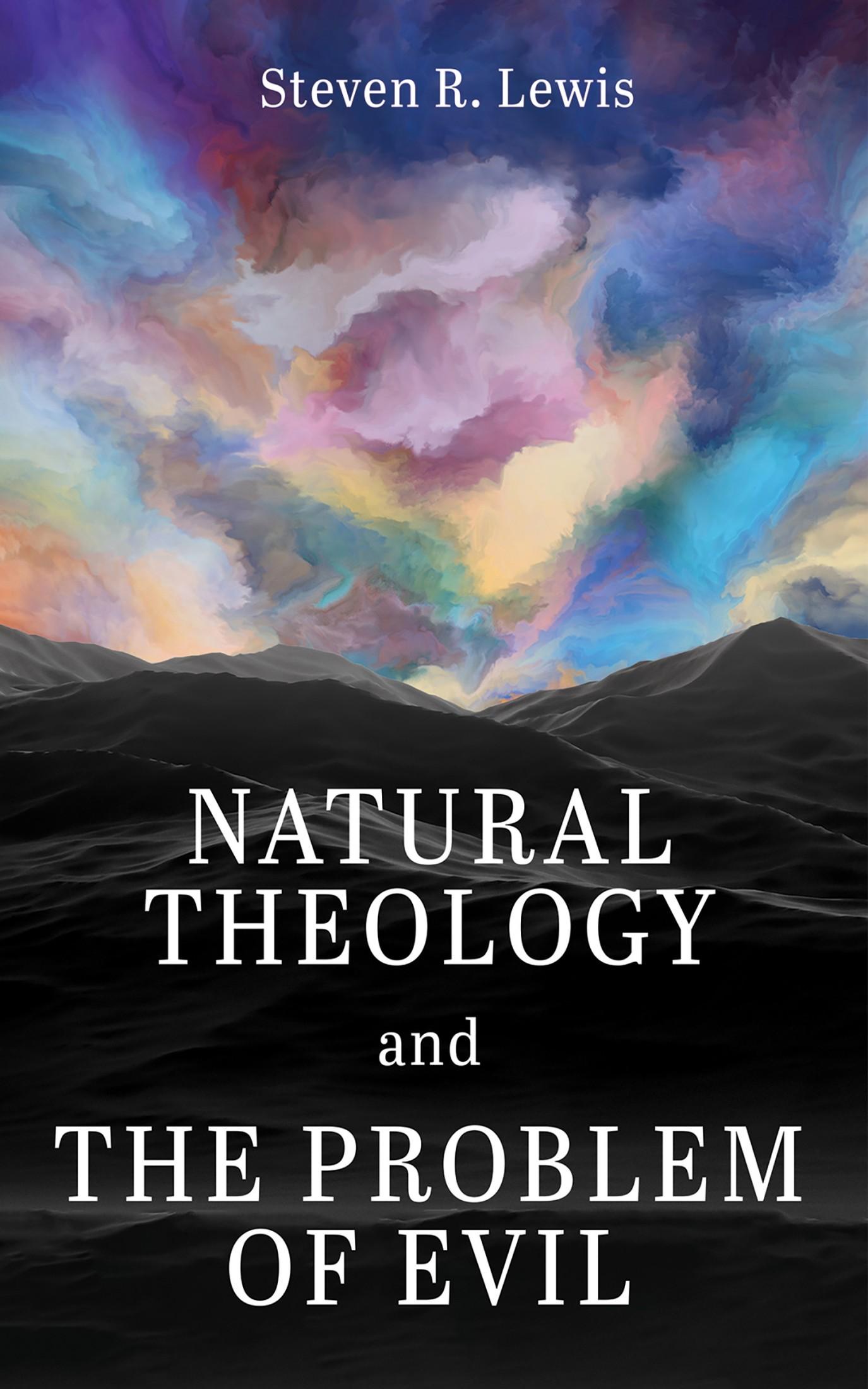
The problem of evil is among the most significant philosophical arguments posed against the existence of God. Crucial to this argument is the premise that God, on account of his divine moral perfection, is necessarily constrained to prevent or mitigate evil whenever it is possible for him to do so. Natural Theology and the Problem of Evil offers a unique resolution to this challenge by focusing first on the necessary truths of God’s existence and nature via a systematic natural theology. By starting with these first principles, the theist is left with a confidence in God’s existence and nature (as omniscient, omnipotent, and perfectly good) sufficient to overcome the problem of evil. The theistic foundations that emerge result in a denial of any moral obligation that God might have to intervene in a well-ordered creation. Thus God, on account of his nature and attributes as well as the nature of evil and the natural operation of the world, is under no moral constraint to always prevent evil in the manner required by the evidential argument, and thus proposed instances of gratuitous evil are necessarily compatible with the existence of God.
Betaal eenvoudig met kaart, Klarna, Apple Pay of Google Pay. Niet tevreden? Je hebt altijd 14 dagen bedenktijd. Lees meer in onze voorwaarden. Heb je vragen, mail ons dan via hello@memmo.org.
Memmo maakt studeren makkelijker – waar je ook bent ter wereld. Wij brengen je cursusboeken en slimme studietools samen op één plek: samenvattingen, quizzen, podcasts en flashcards. En Ted, je studievriend die antwoord geeft op alles wat je je afvraagt. Meer dan 50.000 studenten studeren hier al – gebouwd om je sneller te laten leren en minder stress te geven.
Misschien vind je dit ook leuk
Koop het boek0