
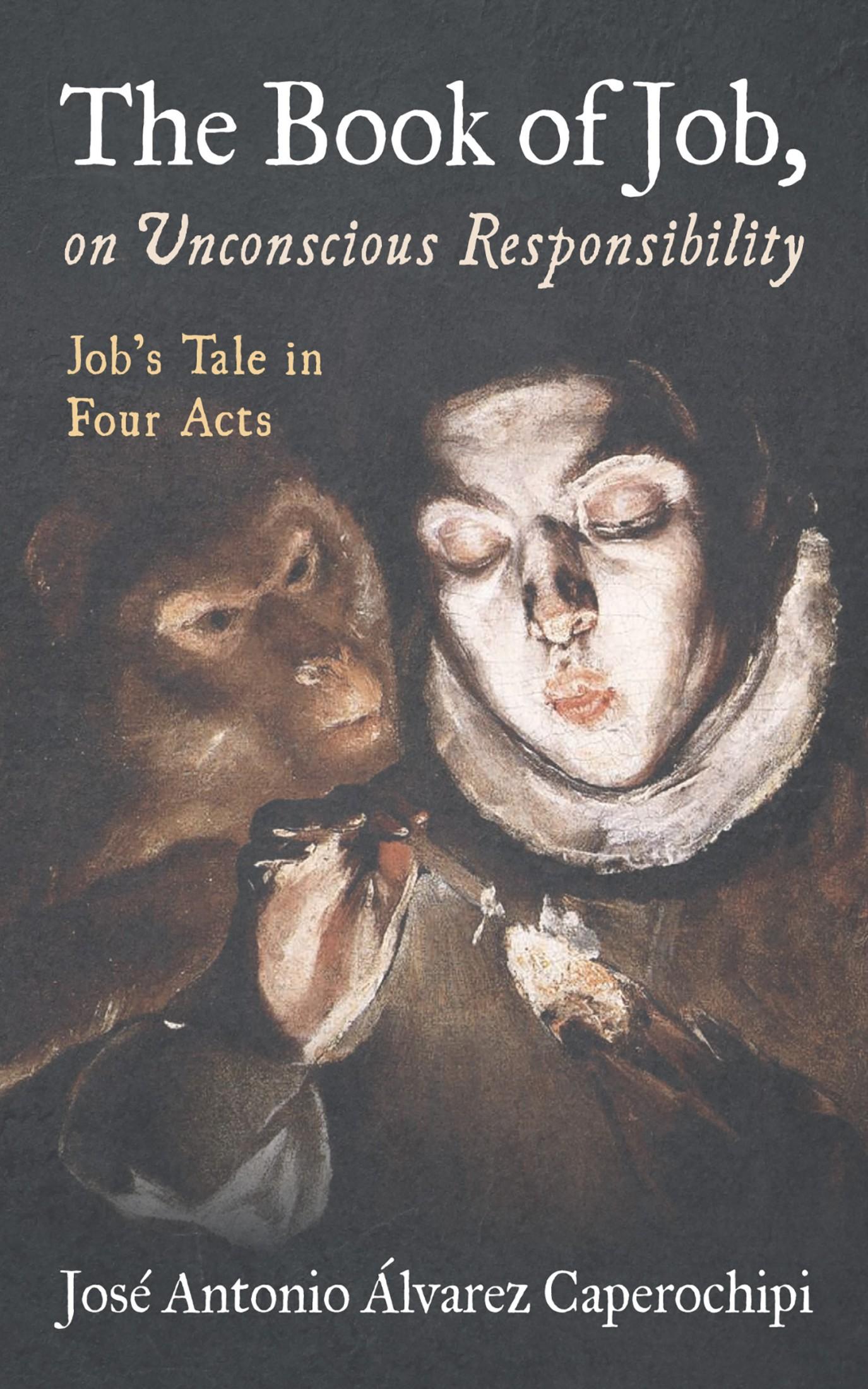
Through a multidisciplinary reading--yet grounded in civil and criminal law--this book analyzes the theories of guilt and responsibility in Job's debate with his friends and in his responses to the theophanies. The biblical text thus becomes a debate on the foundations of legal organization and the relationship between law and religion.
The essay is offered from a rational and secular perspective, with no prior religious dogma, while remaining respectful of religion as one of humanity's deepest intellectual and artistic achievements. The work interprets the book of Job as a critique of the doctrines of sacrifice and submission as the foundations of religion.
The book of Job poses an allegory of Jewish dilemma after the fall of the Persian Empire, when the morality of collective guilt entered into crisis and divine justice is rethought in terms of personal responsibility. This perspective is justified on a commentary of Jewish sources and their influence on the development of Christian and secular thought. Job, his friends, Satan, Job's wife, and the theophanies embody legal and ethical tensions still relevant today: collective versus personal guilt, sacrifice versus justice, social organization versus individual freedom.
Betaal eenvoudig met kaart, Klarna, Apple Pay of Google Pay. Niet tevreden? Je hebt altijd 14 dagen bedenktijd. Lees meer in onze voorwaarden. Heb je vragen, mail ons dan via hello@memmo.org.
Memmo maakt studeren makkelijker – waar je ook bent ter wereld. Wij brengen je cursusboeken en slimme studietools samen op één plek: samenvattingen, quizzen, podcasts en flashcards. En Ted, je studievriend die antwoord geeft op alles wat je je afvraagt. Meer dan 50.000 studenten studeren hier al – gebouwd om je sneller te laten leren en minder stress te geven.
Misschien vind je dit ook leuk
Koop het boek0