
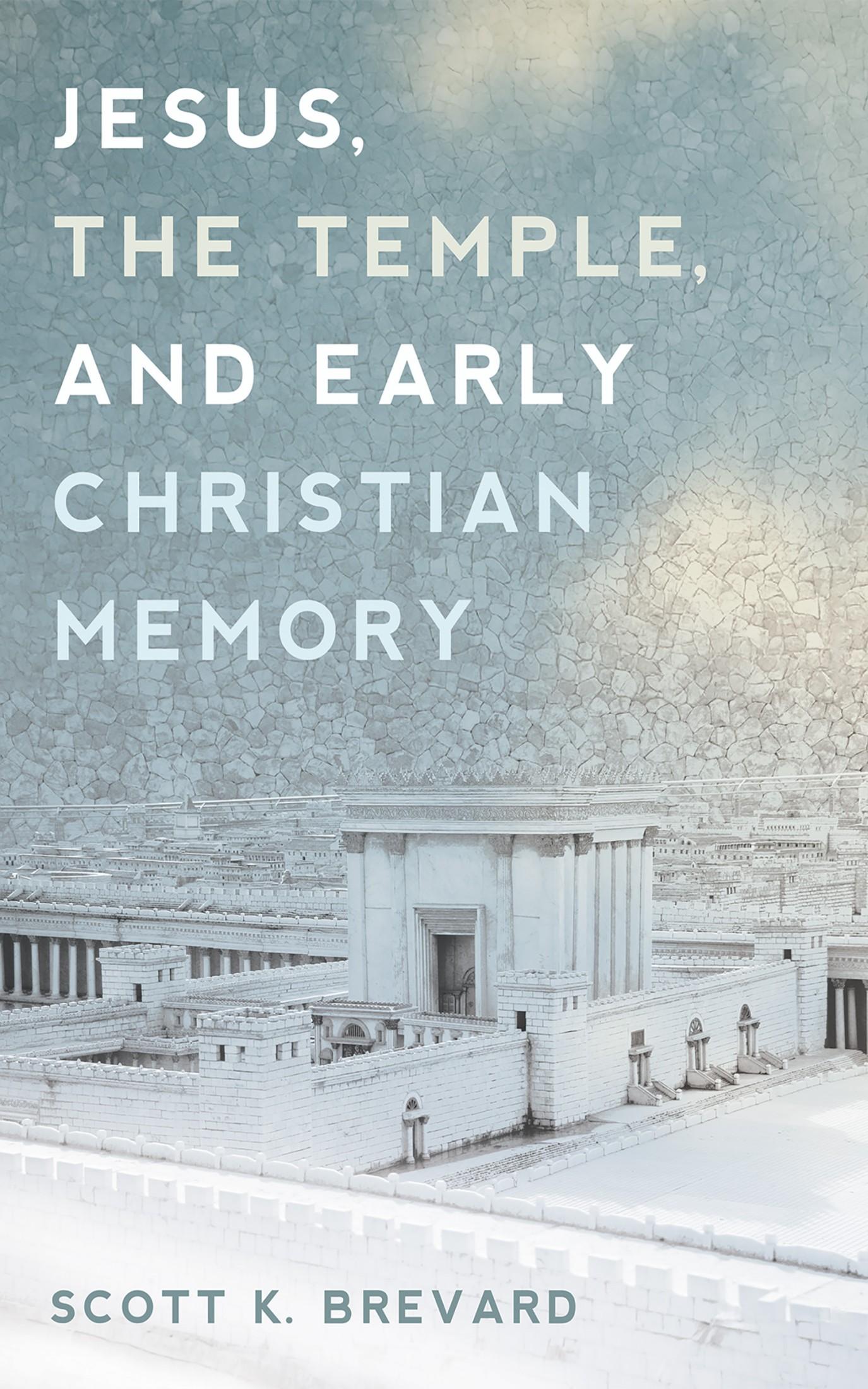
Jewish identity during the Second Temple period (515 BCE-70 CE) was complex, multifaceted, and variable, but many studies of this period treat Jewish attitudes toward one key feature--the Jerusalem temple--as simple and uniform. Brevard aims to complicate this notion by examining early Christian traditions of Jesus's relationship with the temple. Early Christian memory constructed, transformed, and transmitted traditions about the past into their present contexts. Examining early Christian memory, as represented by canonical and noncanonical gospel traditions in the first three centuries CE, allows scholars to ask how certain figures, institutions, or beliefs were remembered and represented, as well as to posit theories as to why memories were constructed in particular ways and how these memories related to their contemporary historical and social frameworks. Early Christians remembered Jesus as having a complex relationship with the Jerusalem temple, and these early Christian traditions of Jesus impacted their own contemporary worldviews. This complicated relationship with the temple, however, was not a new phenomenon but one that was already familiar to those constructing, experiencing, remembering, and transmitting their Jewish identity throughout the diaspora world in the Second Temple period.
Betaal eenvoudig met kaart, Klarna, Apple Pay of Google Pay. Niet tevreden? Je hebt altijd 14 dagen bedenktijd. Lees meer in onze voorwaarden. Heb je vragen, mail ons dan via hello@memmo.org.
Memmo maakt studeren makkelijker – waar je ook bent ter wereld. Wij brengen je cursusboeken en slimme studietools samen op één plek: samenvattingen, quizzen, podcasts en flashcards. En Ted, je studievriend die antwoord geeft op alles wat je je afvraagt. Meer dan 50.000 studenten studeren hier al – gebouwd om je sneller te laten leren en minder stress te geven.
Misschien vind je dit ook leuk
Koop het boek0