
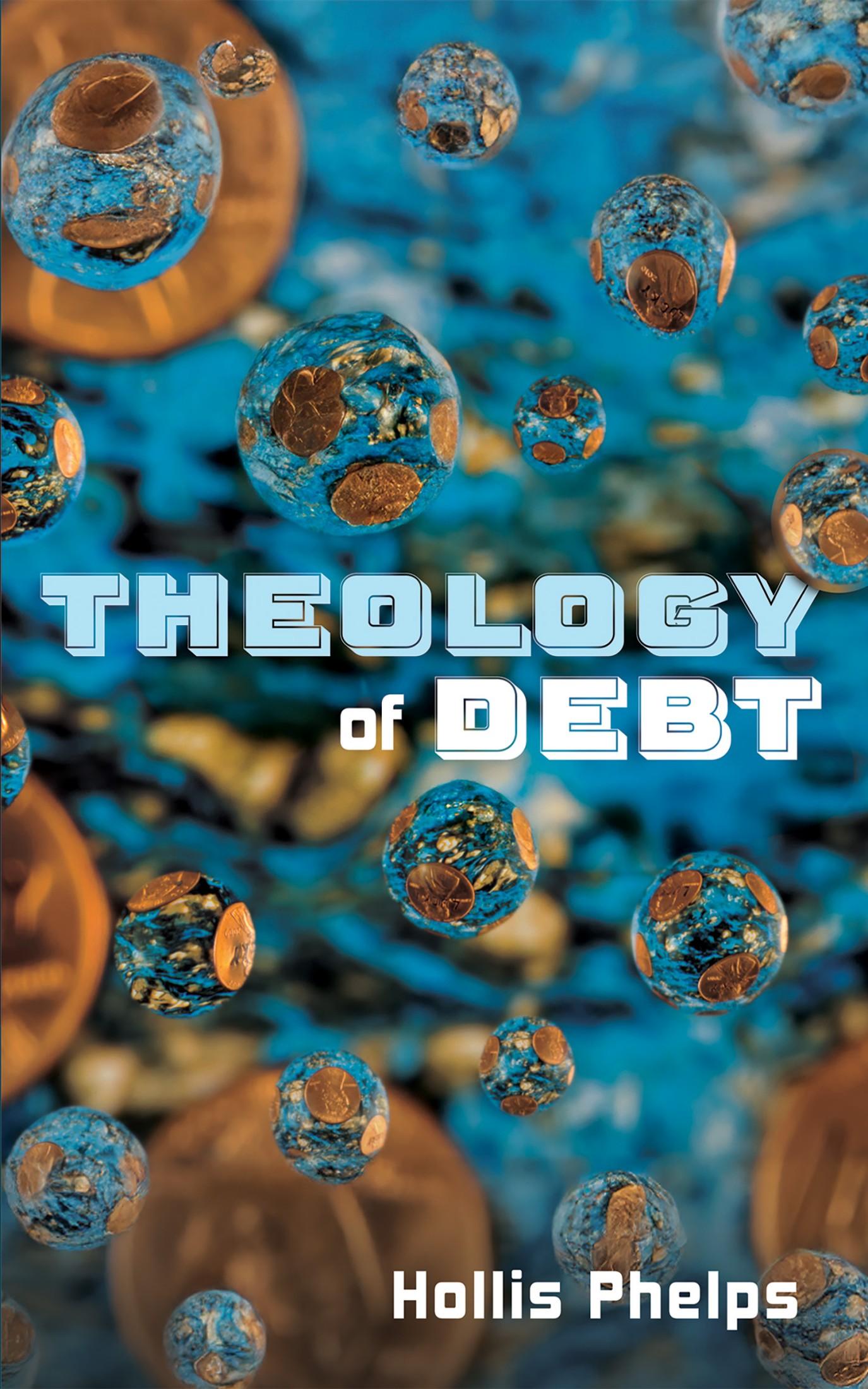
This book focuses on the various ways in which debt functions at theological and moral levels to create subjects, with chapters on the biblical jubilee tradition and usury, the gospels, Saint Paul, atonement theories in the early church, Anselm's satisfaction theory of atonement, and contemporary discussions of debt as a subjective mechanism. Phelps shows that debt and atonement as theological concepts are bound together, so to undermine debt as a subjective mechanism we need to undermine atonement theory as well, by desacralizing the latter. The goal of this book is to disrupt the sovereignty of debt over the creation and maintenance of subjectivity, so that we can think otherwise than and outside of the creditor-debtor relationship, both morally and theologically but also economically. Ultimately, the analysis presented over seven chapters incites us to rethink community and what form social life should take.
Betaal eenvoudig met kaart, Klarna, Apple Pay of Google Pay. Niet tevreden? Je hebt altijd 14 dagen bedenktijd. Lees meer in onze voorwaarden. Heb je vragen, mail ons dan via hello@memmo.org.
Memmo maakt studeren makkelijker – waar je ook bent ter wereld. Wij brengen je cursusboeken en slimme studietools samen op één plek: samenvattingen, quizzen, podcasts en flashcards. En Ted, je studievriend die antwoord geeft op alles wat je je afvraagt. Meer dan 50.000 studenten studeren hier al – gebouwd om je sneller te laten leren en minder stress te geven.
Misschien vind je dit ook leuk
Koop het boek0