
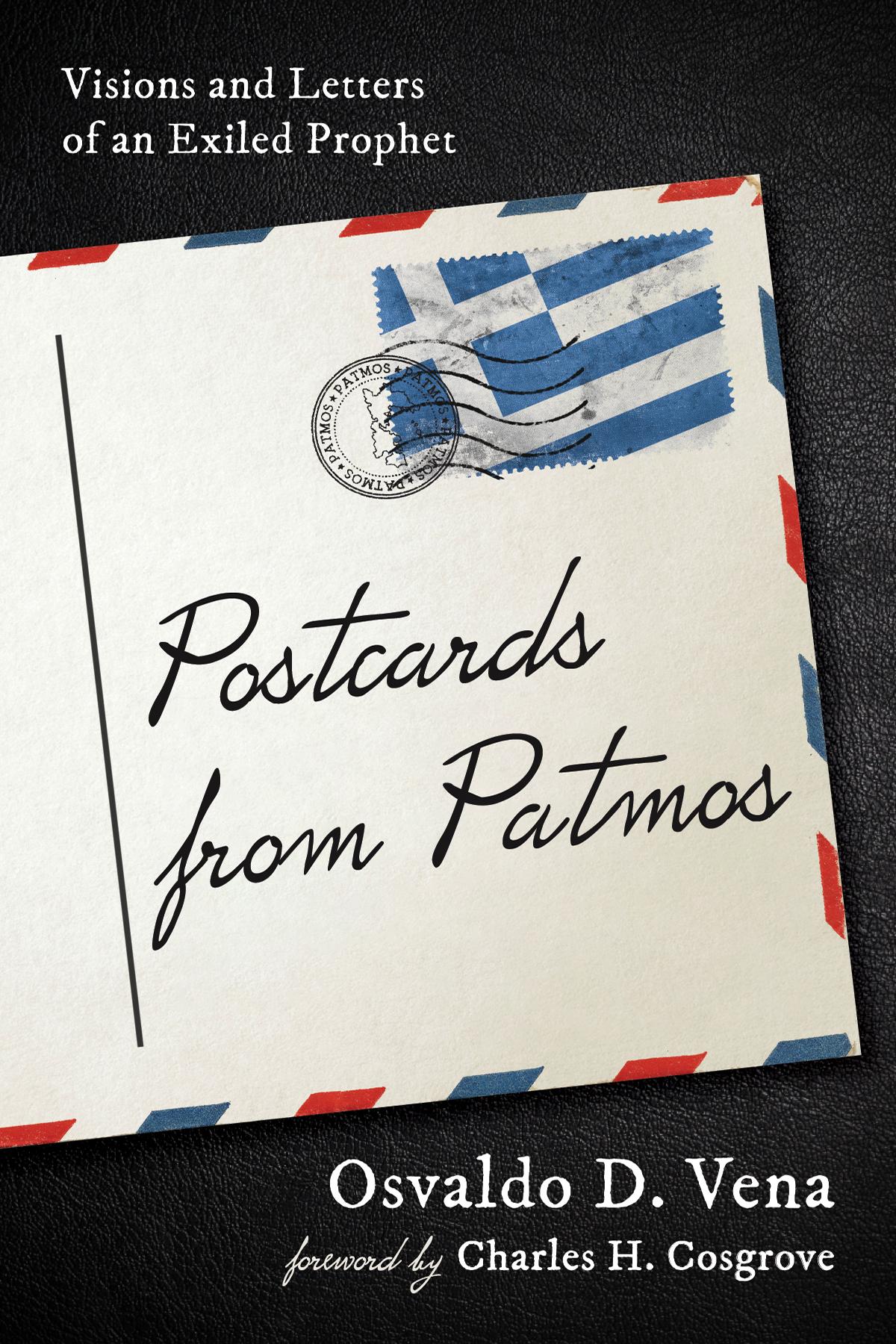
In this work, a fictionalized John is addressing a contemporary audience directly, as if they were the original recipients of the book. Unlike the author's two previous books, which were historical fictions, this one does not include fictional elements. It does not dwell on possible scenarios advanced by information found in the text, like the trip to Spain in the case of Paul. Rather, it aims at providing the audience with some additional historical information so they can have a better understanding of the place and time in which John wrote. The reader will notice, for example, that instead of using inclusive language, which would be anachronistic, John uses male language to address God. The author also explores, fictionally, John's feelings, to allow the readers to imagine how he might have felt in the troubled times he lived in.
Betaal eenvoudig met kaart, Klarna, Apple Pay of Google Pay. Niet tevreden? Je hebt altijd 14 dagen bedenktijd. Lees meer in onze voorwaarden. Heb je vragen, mail ons dan via hello@memmo.org.
Memmo maakt studeren makkelijker – waar je ook bent ter wereld. Wij brengen je cursusboeken en slimme studietools samen op één plek: samenvattingen, quizzen, podcasts en flashcards. En Ted, je studievriend die antwoord geeft op alles wat je je afvraagt. Meer dan 50.000 studenten studeren hier al – gebouwd om je sneller te laten leren en minder stress te geven.
Misschien vind je dit ook leuk
Koop het boek0