
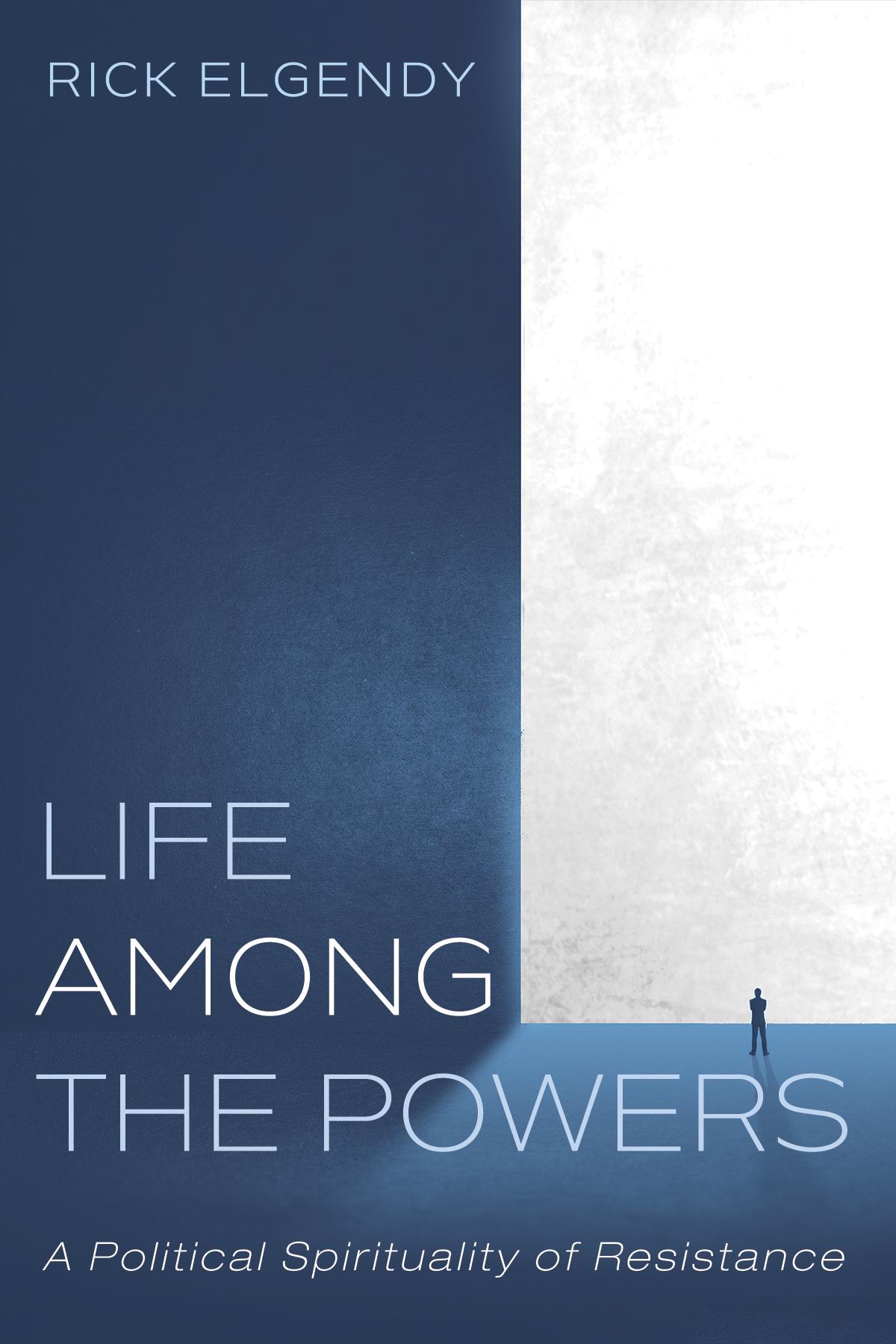
Many Christians have come to see that they live in a world marked by structural problems--legacies of racial injustice, climate change, constraining forms of gender and sexuality, to name just a few. A faithful response to these problems calls for ethical and political witness, and theologians have used the New Testament language describing the "principalities and powers" to provide just that: a picture of faith in which Christ redeems humanity from structures of power. This tradition, though, sometimes offers the hope of an "outside," ways of living in which we can be no longer complicit with the powers. This book pushes this conversation further, seeking a theological understanding--and the spirituality that lives within it--of how we are implicated in such structures, what we are called to do to resist their harms, and who we might still become. Along the way, it reads together unlikely fellow-travelers Karl Barth and Michel Foucault to argue that while our complicity with the powers is inescapable, we can still live meaningfully different, movingly faithful lives that challenge the forms of the world that we believe are passing away.
Betaal eenvoudig met kaart, Klarna, Apple Pay of Google Pay. Niet tevreden? Je hebt altijd 14 dagen bedenktijd. Lees meer in onze voorwaarden. Heb je vragen, mail ons dan via hello@memmo.org.
Memmo maakt studeren makkelijker – waar je ook bent ter wereld. Wij brengen je cursusboeken en slimme studietools samen op één plek: samenvattingen, quizzen, podcasts en flashcards. En Ted, je studievriend die antwoord geeft op alles wat je je afvraagt. Meer dan 50.000 studenten studeren hier al – gebouwd om je sneller te laten leren en minder stress te geven.
Misschien vind je dit ook leuk
Koop het boek0