
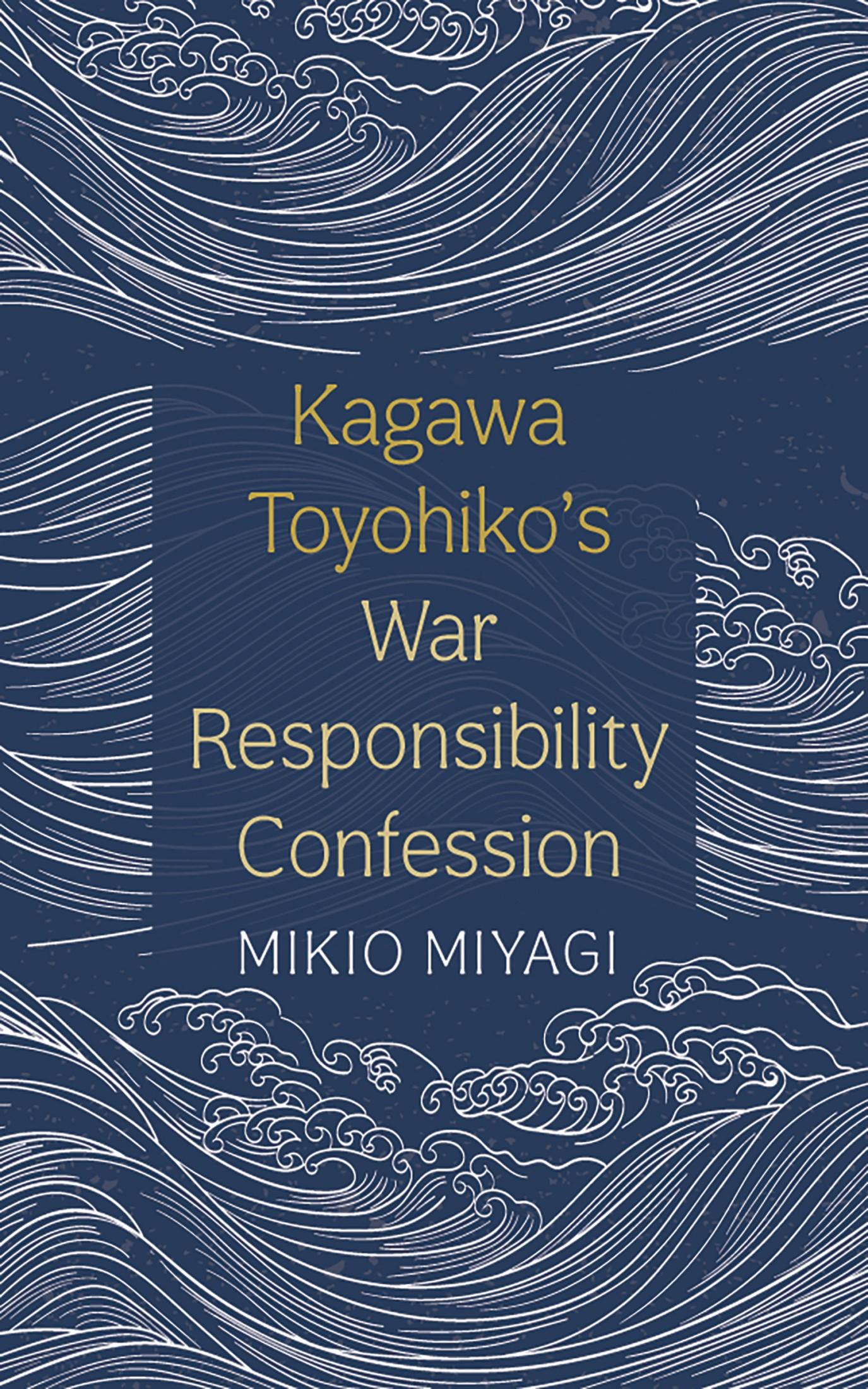
Kagawa Toyohiko (賀川豊彦1888-1960) is well-known as a Japanese Christian leader due to his sacrificial commitment to social reforms for the underprivileged, establishing cooperatives and unions for industrial workers, fishermen, and farmers, as well as supporting credit cooperatives, hospital cooperatives, and other social organizations. He reformed society to eliminate an inequitable commonwealth based on his theology of redemptive love through brotherhood economics. Though during the Pacific War he advised the independence and freedom of the Far East states and sought to see his Christian idea of brotherhood economics applied to Asian states (Greater East Asia Co-Prosperity), after the war he hoped worldwide organizations such as the United Nations would adopt it, as he was convinced that economic partiality caused a worldwide conflict. His war responsibility is embedded in the gap between his Christian brotherhood economic theory and the state authorities of this world which put the highest priority on their states' interests, even sacrificing the poor state. Thus, Kagawa felt responsibility for the war as he did not have enough influence to stop it.
Betaal eenvoudig met kaart, Klarna, Apple Pay of Google Pay. Niet tevreden? Je hebt altijd 14 dagen bedenktijd. Lees meer in onze voorwaarden. Heb je vragen, mail ons dan via hello@memmo.org.
Memmo maakt studeren makkelijker – waar je ook bent ter wereld. Wij brengen je cursusboeken en slimme studietools samen op één plek: samenvattingen, quizzen, podcasts en flashcards. En Ted, je studievriend die antwoord geeft op alles wat je je afvraagt. Meer dan 50.000 studenten studeren hier al – gebouwd om je sneller te laten leren en minder stress te geven.
Misschien vind je dit ook leuk
Koop het boek0