
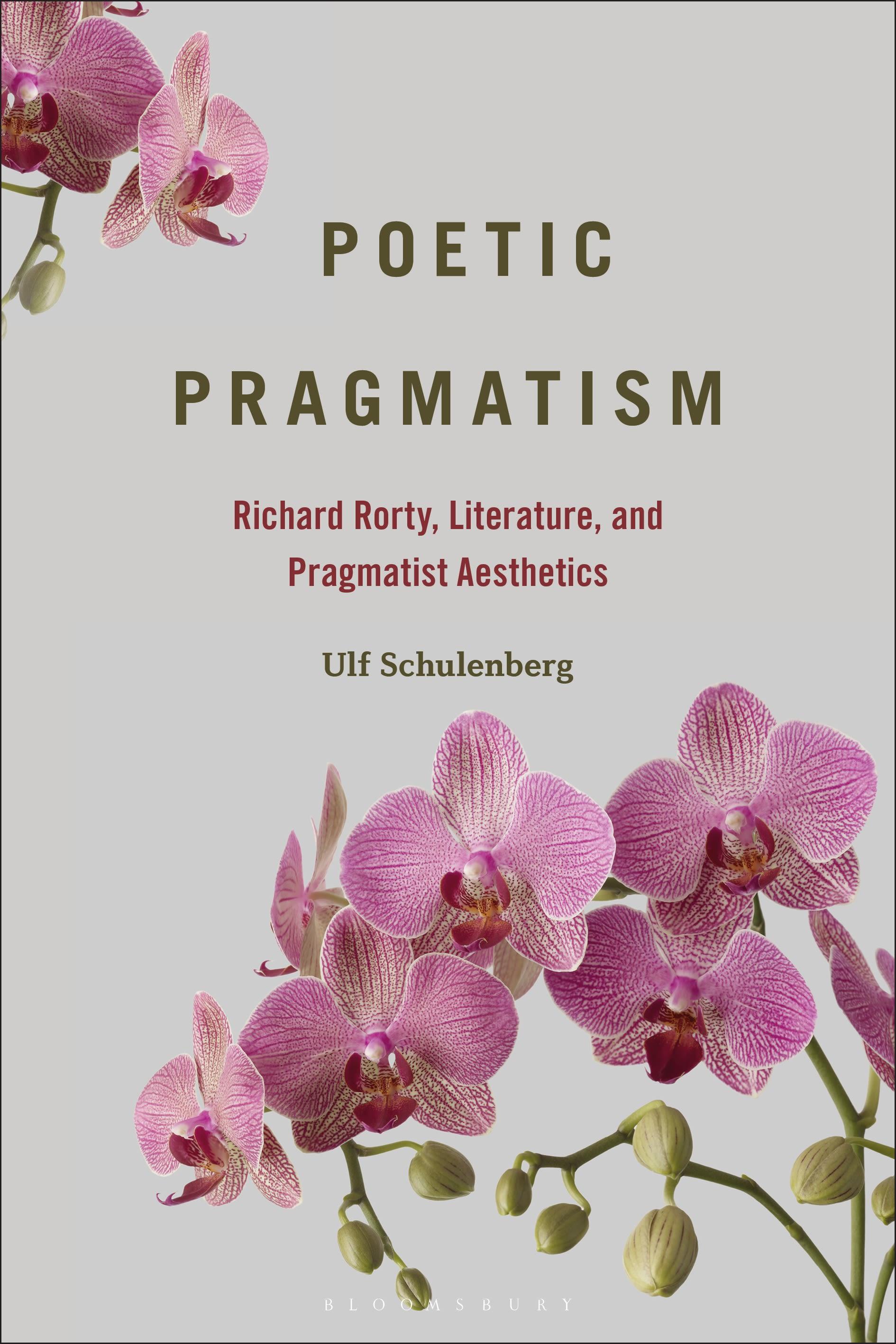
The first detailed discussion of Richard Rorty's understanding of literature and aesthetics, which engages with a broad range of writers, including Emerson, Nietzsche, and Proust.
For most of his career, at least since the publication of Philosophy and the Mirror of Nature in 1979, Richard Rorty called his readers' attention to the importance of the poet's work. Indeed, Ulf Schulenberg argues that Rorty's version of pragmatism should be regarded as a poetic pragmatism, since it elucidates the significance of poetic agency, human creativity, and idiosyncratic acts of poiesis for the development of mankind, constantly stressing – in a clearly Romantic gesture – the power of the imagination.
Poetic Pragmatism explains why one should speak of Rorty's poetic pragmatism and what makes it poetic. In readings of writers such as Whitman, Nietzsche, Nabokov, and Kundera through and alongside Rorty, Schulenberg also offers the first detailed discussion of Rorty's understanding of literature and aesthetics and illuminates the role of Rorty's anti-authoritarianism, focusing in particular on the anti-authoritarian potential of aesthetic form.
Poetic Pragmatism suggests that in a Rortyan poeticized culture the development from religion (God) to philosophy (Truth) to literature (imagination, novelty, plurality, redescription) is an anti-authoritarian and humanist story of increasing self-reliance and self-creation, a development from finding to making that is central to Rorty's pragmatism.
For most of his career, at least since the publication of Philosophy and the Mirror of Nature in 1979, Richard Rorty called his readers' attention to the importance of the poet's work. Indeed, Ulf Schulenberg argues that Rorty's version of pragmatism should be regarded as a poetic pragmatism, since it elucidates the significance of poetic agency, human creativity, and idiosyncratic acts of poiesis for the development of mankind, constantly stressing – in a clearly Romantic gesture – the power of the imagination.
Poetic Pragmatism explains why one should speak of Rorty's poetic pragmatism and what makes it poetic. In readings of writers such as Whitman, Nietzsche, Nabokov, and Kundera through and alongside Rorty, Schulenberg also offers the first detailed discussion of Rorty's understanding of literature and aesthetics and illuminates the role of Rorty's anti-authoritarianism, focusing in particular on the anti-authoritarian potential of aesthetic form.
Poetic Pragmatism suggests that in a Rortyan poeticized culture the development from religion (God) to philosophy (Truth) to literature (imagination, novelty, plurality, redescription) is an anti-authoritarian and humanist story of increasing self-reliance and self-creation, a development from finding to making that is central to Rorty's pragmatism.
Pagina's: 288
Categorie: Filosofi
e-ISBN: 9798216443728
Verzendgewicht: 1.2 kg
Verzending binnen: 1-2 dagen
Betaal eenvoudig met kaart, Klarna, Apple Pay of Google Pay. Niet tevreden? Je hebt altijd 14 dagen bedenktijd. Lees meer in onze voorwaarden. Heb je vragen, mail ons dan via hello@memmo.org.
Memmo maakt studeren makkelijker – waar je ook bent ter wereld. Wij brengen je cursusboeken en slimme studietools samen op één plek: samenvattingen, quizzen, podcasts en flashcards. En Ted, je studievriend die antwoord geeft op alles wat je je afvraagt. Meer dan 50.000 studenten studeren hier al – gebouwd om je sneller te laten leren en minder stress te geven.