
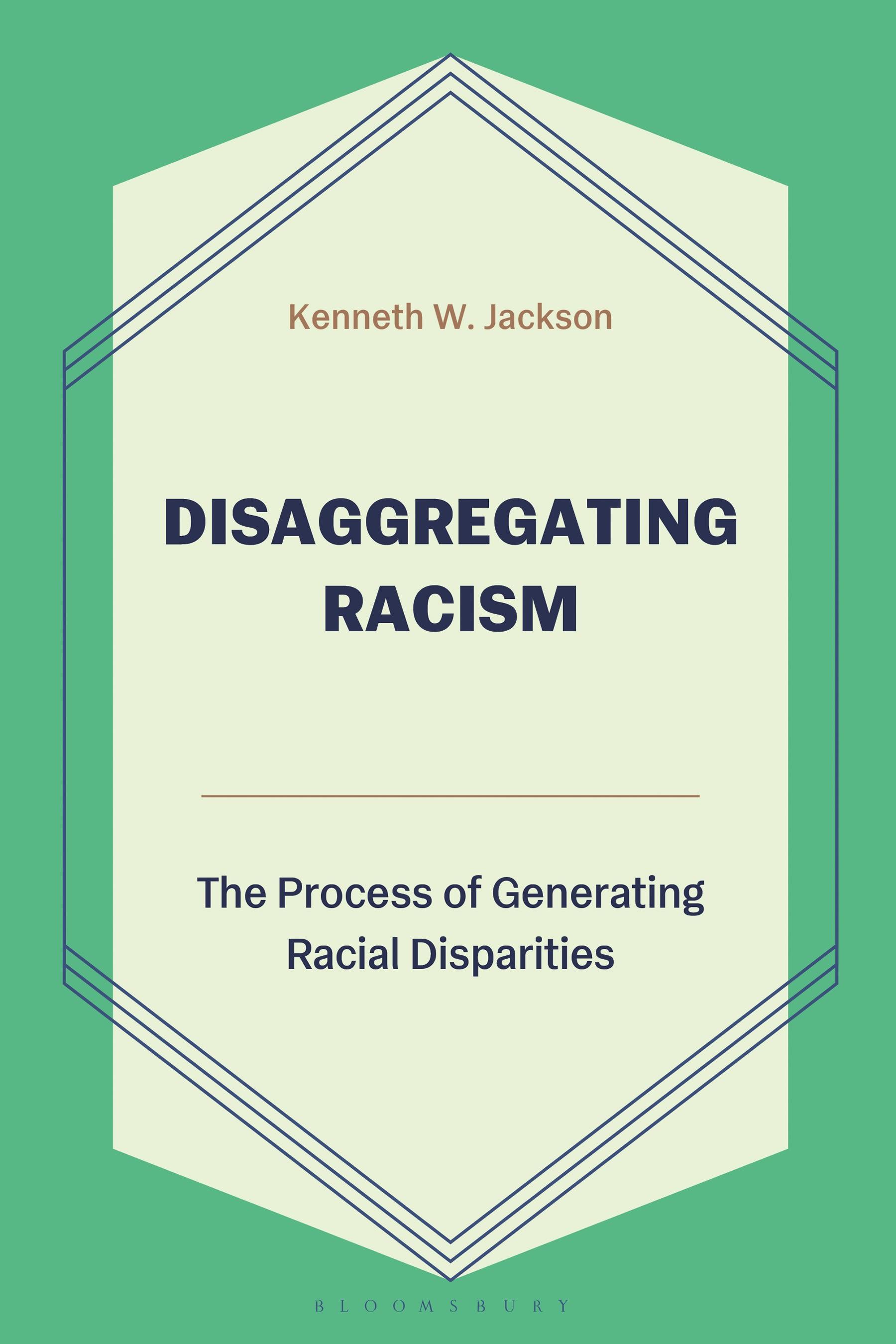
If racism is embedded in everything, as many of the current understandings imply, can the concept explain anything? If the whole system is racist, is antiracism possible without dismantling everything? This book is a comprehensive response to these thorny questions.
Moving beyond the classic debates in sociology, anthropology, and race studies about structure vs. agency, materialism vs. culture, and racism as intentional human act vs. racism as unintentional systemic force, Jackson argues that racism embraces all of these: structural racism influences and is influenced by individual and collective agency; material conditions motivate cultural constructions of race which in turn affect material conditions; and intentional and unintentional human actions form a dynamic social process of racial stratification. Racism, Jackson contends, is a social process which uses racial categorization to solve organizational issues related to the production and distribution of valued societal resources.
Disaggregating Racism advances this argument by analytically separating racism into four constitutive components-race, social structure, power, and legitimation-and demonstrating how their interaction produces both the durability and variability of racism across time. Tracing these dynamics across four historical periods, from the colonial era to the contemporary United States, the book shows not only how racism persists, but how and why it changes-thereby restoring analytical precision to the concept and reopening the question of what effective antiracist intervention can realistically achieve.
Moving beyond the classic debates in sociology, anthropology, and race studies about structure vs. agency, materialism vs. culture, and racism as intentional human act vs. racism as unintentional systemic force, Jackson argues that racism embraces all of these: structural racism influences and is influenced by individual and collective agency; material conditions motivate cultural constructions of race which in turn affect material conditions; and intentional and unintentional human actions form a dynamic social process of racial stratification. Racism, Jackson contends, is a social process which uses racial categorization to solve organizational issues related to the production and distribution of valued societal resources.
Disaggregating Racism advances this argument by analytically separating racism into four constitutive components-race, social structure, power, and legitimation-and demonstrating how their interaction produces both the durability and variability of racism across time. Tracing these dynamics across four historical periods, from the colonial era to the contemporary United States, the book shows not only how racism persists, but how and why it changes-thereby restoring analytical precision to the concept and reopening the question of what effective antiracist intervention can realistically achieve.
Pagina's: 280
Categorie: Kultur-, Genus- & Postkoloniala studier
e-ISBN: 9798216381822
Verzendgewicht: 1.2 kg
Verzending binnen: 1-2 dagen
Betaal eenvoudig met kaart, Klarna, Apple Pay of Google Pay. Niet tevreden? Je hebt altijd 14 dagen bedenktijd. Lees meer in onze voorwaarden. Heb je vragen, mail ons dan via hello@memmo.org.
Memmo maakt studeren makkelijker – waar je ook bent ter wereld. Wij brengen je cursusboeken en slimme studietools samen op één plek: samenvattingen, quizzen, podcasts en flashcards. En Ted, je studievriend die antwoord geeft op alles wat je je afvraagt. Meer dan 50.000 studenten studeren hier al – gebouwd om je sneller te laten leren en minder stress te geven.