
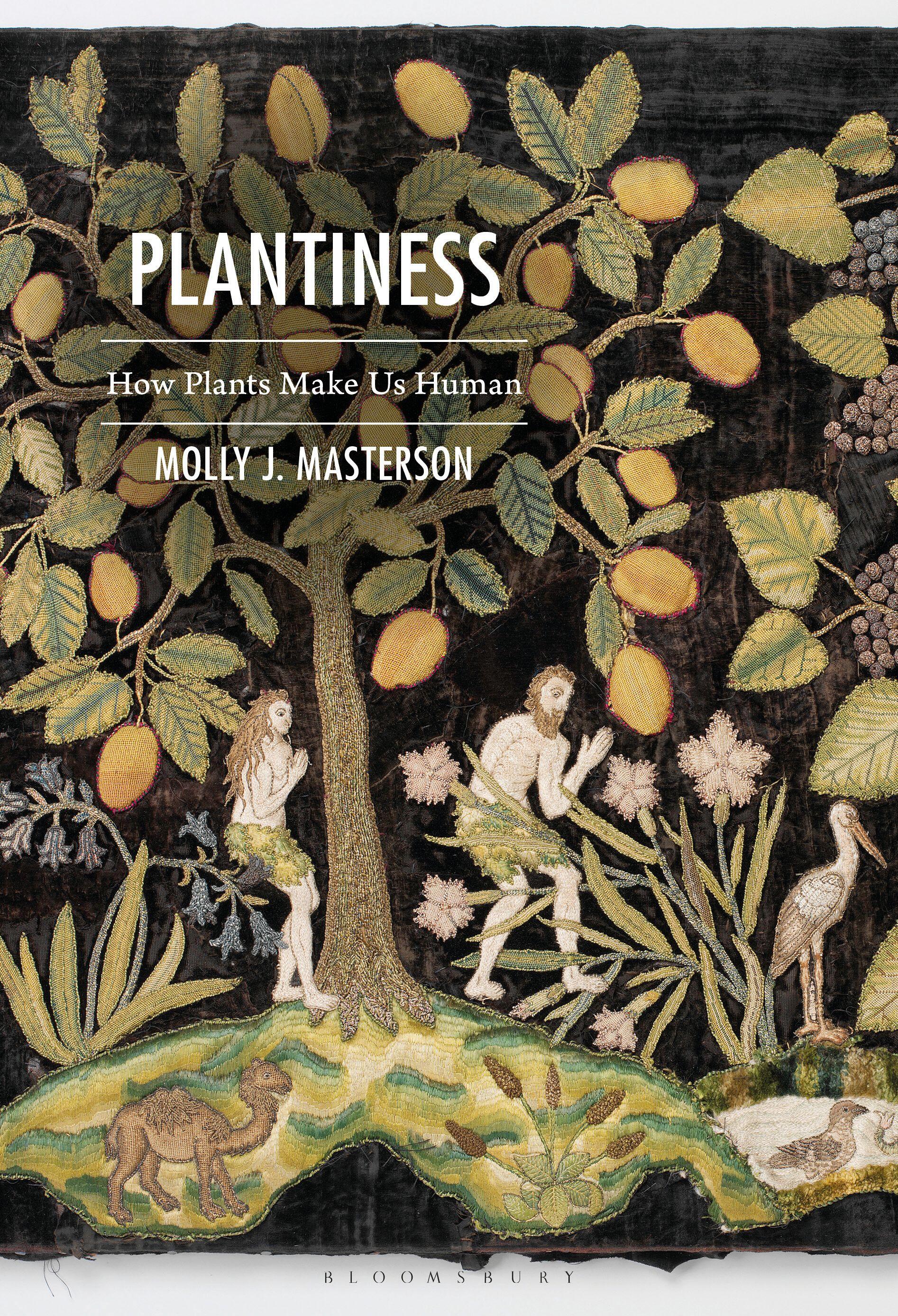
Plants have always shaped what it means to be human, changing our behaviours, settlement
patterns, and our relations with the world.
Taking inspiration from ethnobotany, human geography, and anthropology, plantiness is a theoretical framework for understanding plant liveliness, intelligence, and labour. These characteristics are then combined with existing archaeological theories such as making-in-growing, plant aesthetics, and plant edibility to provide us with a practical way of viewing plants' lively influences, opening up new windows to the past. Plants are not just good to use or eat, they are good to think with. They have the ability to connect us to different places, people, and times. They allow us to make and shape objects - shaping ourselves in the process - and provide relationships to landscapes and others, whether human or not.
Beginning with the well-preserved fallen trees at Star Carr, an excavated English Mesolithic site, the book dives into case studies that demonstrate plants' influence on human becoming. Ultimately, the book contradicts narratives of human domination over all things, encouraging us to work
alongside - rather than against - the world around us. In highlighting how plantiness shapes human becoming, archaeologists can help redefine our relationship with plants for the future.
patterns, and our relations with the world.
Taking inspiration from ethnobotany, human geography, and anthropology, plantiness is a theoretical framework for understanding plant liveliness, intelligence, and labour. These characteristics are then combined with existing archaeological theories such as making-in-growing, plant aesthetics, and plant edibility to provide us with a practical way of viewing plants' lively influences, opening up new windows to the past. Plants are not just good to use or eat, they are good to think with. They have the ability to connect us to different places, people, and times. They allow us to make and shape objects - shaping ourselves in the process - and provide relationships to landscapes and others, whether human or not.
Beginning with the well-preserved fallen trees at Star Carr, an excavated English Mesolithic site, the book dives into case studies that demonstrate plants' influence on human becoming. Ultimately, the book contradicts narratives of human domination over all things, encouraging us to work
alongside - rather than against - the world around us. In highlighting how plantiness shapes human becoming, archaeologists can help redefine our relationship with plants for the future.
Pagina's: 214
Categorie: Arkeologi & Antikvetenskap
e-ISBN: 9798216378266
Verzendgewicht: 1.2 kg
Verzending binnen: 1-2 dagen
Betaal eenvoudig met kaart, Klarna, Apple Pay of Google Pay. Niet tevreden? Je hebt altijd 14 dagen bedenktijd. Lees meer in onze voorwaarden. Heb je vragen, mail ons dan via hello@memmo.org.
Memmo maakt studeren makkelijker – waar je ook bent ter wereld. Wij brengen je cursusboeken en slimme studietools samen op één plek: samenvattingen, quizzen, podcasts en flashcards. En Ted, je studievriend die antwoord geeft op alles wat je je afvraagt. Meer dan 50.000 studenten studeren hier al – gebouwd om je sneller te laten leren en minder stress te geven.