
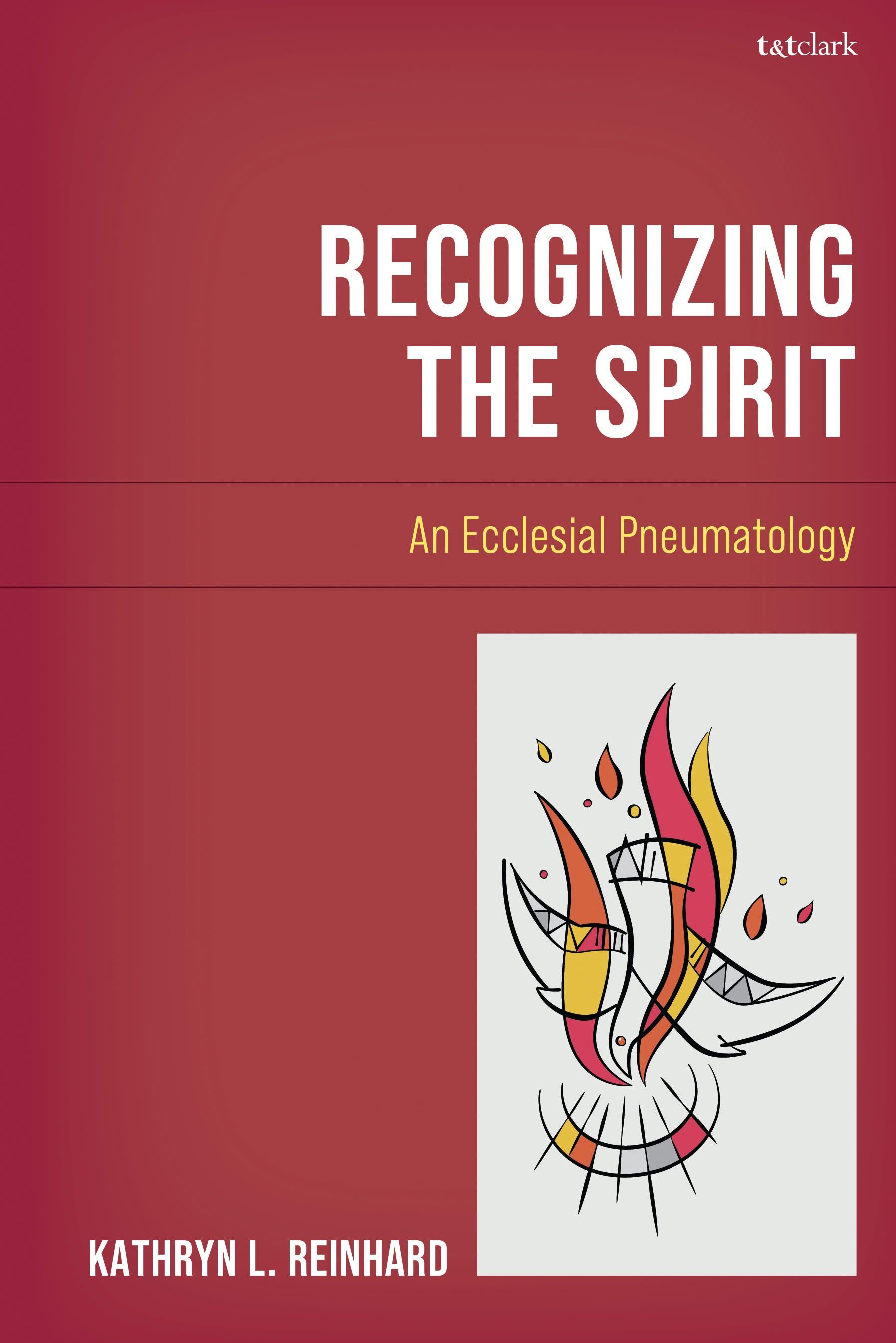
Boldly tackling the question of how to negotiate diversities in identity and practice within the unity of ecclesial relationship, this book constructs an ecclesial Pneumatology capable of addressing modern issues of church conflict and separation.
In a time of “ecumenical winter” and intra-ecclesial fracturing, the ecclesial crises of our time are at root a problem of “recognition.” Here, ecumenical recognition is supplemented with insights from Continental philosophy, literary theory, and Augustinian Pneumatology. Ultimately, this book follows the work of Eberhard Jüngel to propose a correspondence between the existence of the church and the existence of the triune God, in that both exist as “a communion of mutual otherness.”
If God is who Christians say God is––if the Spirit is and does the work that Augustine and Jüngel say it does––then Christians are incorporated into a Body whose shape we are not free to determine. God's primary recognition of believers in the church affects a secondary recognition that, despite the very real harm Christians do perpetrate against one another in our performative divisions, should make us question the extent to which we can every truly do without one another.
In a time of “ecumenical winter” and intra-ecclesial fracturing, the ecclesial crises of our time are at root a problem of “recognition.” Here, ecumenical recognition is supplemented with insights from Continental philosophy, literary theory, and Augustinian Pneumatology. Ultimately, this book follows the work of Eberhard Jüngel to propose a correspondence between the existence of the church and the existence of the triune God, in that both exist as “a communion of mutual otherness.”
If God is who Christians say God is––if the Spirit is and does the work that Augustine and Jüngel say it does––then Christians are incorporated into a Body whose shape we are not free to determine. God's primary recognition of believers in the church affects a secondary recognition that, despite the very real harm Christians do perpetrate against one another in our performative divisions, should make us question the extent to which we can every truly do without one another.
Betaal eenvoudig met kaart, Klarna, Apple Pay of Google Pay. Niet tevreden? Je hebt altijd 14 dagen bedenktijd. Lees meer in onze voorwaarden. Heb je vragen, mail ons dan via hello@memmo.org.
Memmo maakt studeren makkelijker – waar je ook bent ter wereld. Wij brengen je cursusboeken en slimme studietools samen op één plek: samenvattingen, quizzen, podcasts en flashcards. En Ted, je studievriend die antwoord geeft op alles wat je je afvraagt. Meer dan 50.000 studenten studeren hier al – gebouwd om je sneller te laten leren en minder stress te geven.