
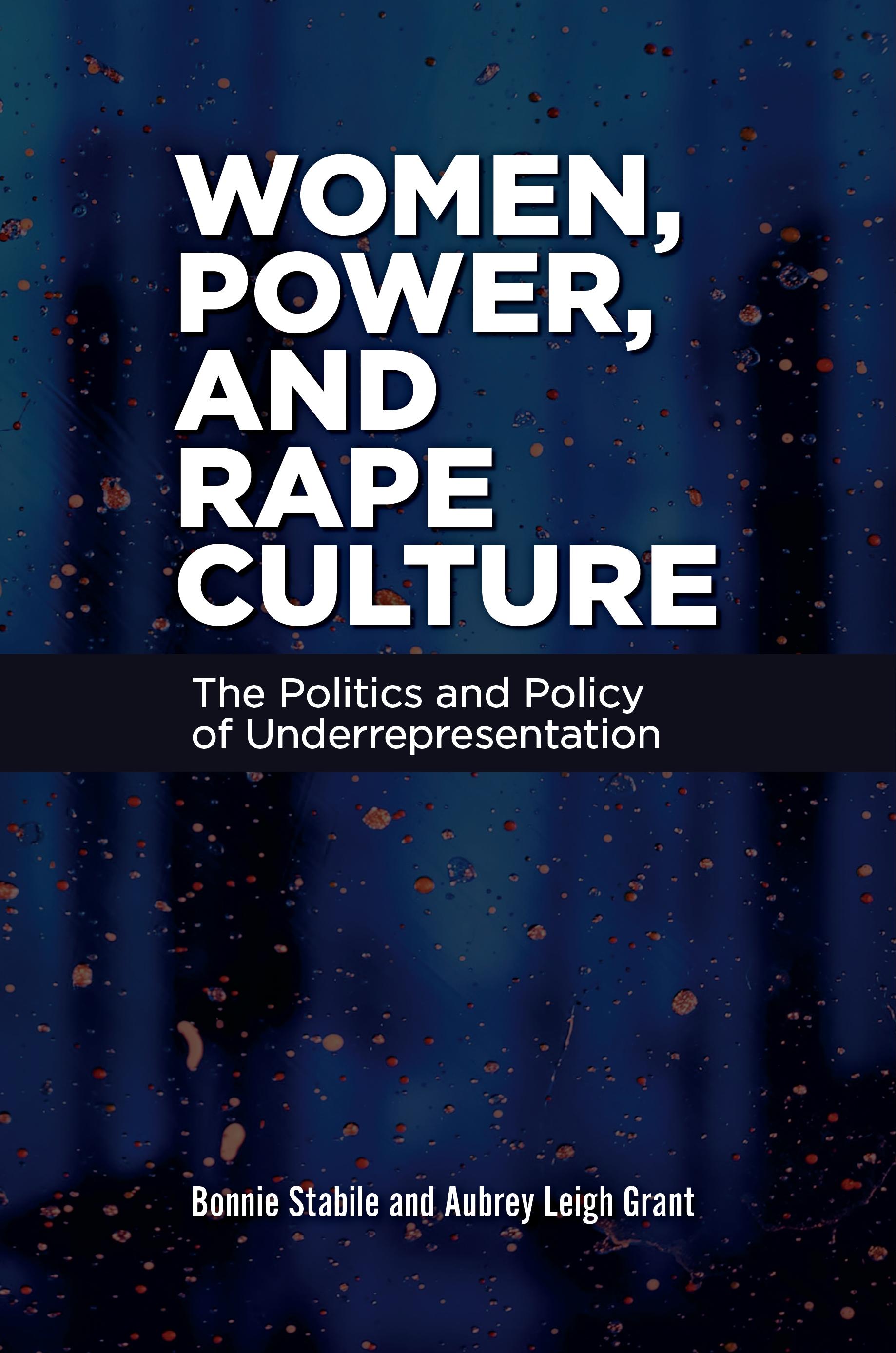
Focusing on how rape, sexual assault, and harassment relate to underrepresentation of women in public authority, this book provides an insightful exploration of the policy context that impedes women's advancement to positions of power.
The election of Donald Trump precipitated one of the largest outpourings of political protest on a single day in U.S. history with the 2017 March for Women. The emboldened #MeToo and #TimesUp movements reacted not only to the historical injustice of sexual offenses perpetrated upon women but also to women's associated underrepresentation in positions of power and public authority.
Women, Power, and Rape Culture examines the principal events, actors, and paradigms in the politics of rape, sexual assault, and harassment since Trump's election. Unlike other studies, it connects these traumatic events to women's underrepresentation in the public sphere. Chapters consider the power of presidential speech, judges, and Congress to create structural barriers to women's representation as well as the stultifying effects of weak college and university responses to sexual violence. Disparities in women's representation in positions of public authority are considered in light of the disproportionate burden imposed on women by a culture that discounts the prevalence of rape and harassment and by the policies that inadequately address them, allowing them to perpetuate.
The election of Donald Trump precipitated one of the largest outpourings of political protest on a single day in U.S. history with the 2017 March for Women. The emboldened #MeToo and #TimesUp movements reacted not only to the historical injustice of sexual offenses perpetrated upon women but also to women's associated underrepresentation in positions of power and public authority.
Women, Power, and Rape Culture examines the principal events, actors, and paradigms in the politics of rape, sexual assault, and harassment since Trump's election. Unlike other studies, it connects these traumatic events to women's underrepresentation in the public sphere. Chapters consider the power of presidential speech, judges, and Congress to create structural barriers to women's representation as well as the stultifying effects of weak college and university responses to sexual violence. Disparities in women's representation in positions of public authority are considered in light of the disproportionate burden imposed on women by a culture that discounts the prevalence of rape and harassment and by the policies that inadequately address them, allowing them to perpetuate.
Betaal eenvoudig met kaart, Klarna, Apple Pay of Google Pay. Niet tevreden? Je hebt altijd 14 dagen bedenktijd. Lees meer in onze voorwaarden. Heb je vragen, mail ons dan via hello@memmo.org.
Memmo maakt studeren makkelijker – waar je ook bent ter wereld. Wij brengen je cursusboeken en slimme studietools samen op één plek: samenvattingen, quizzen, podcasts en flashcards. En Ted, je studievriend die antwoord geeft op alles wat je je afvraagt. Meer dan 50.000 studenten studeren hier al – gebouwd om je sneller te laten leren en minder stress te geven.