
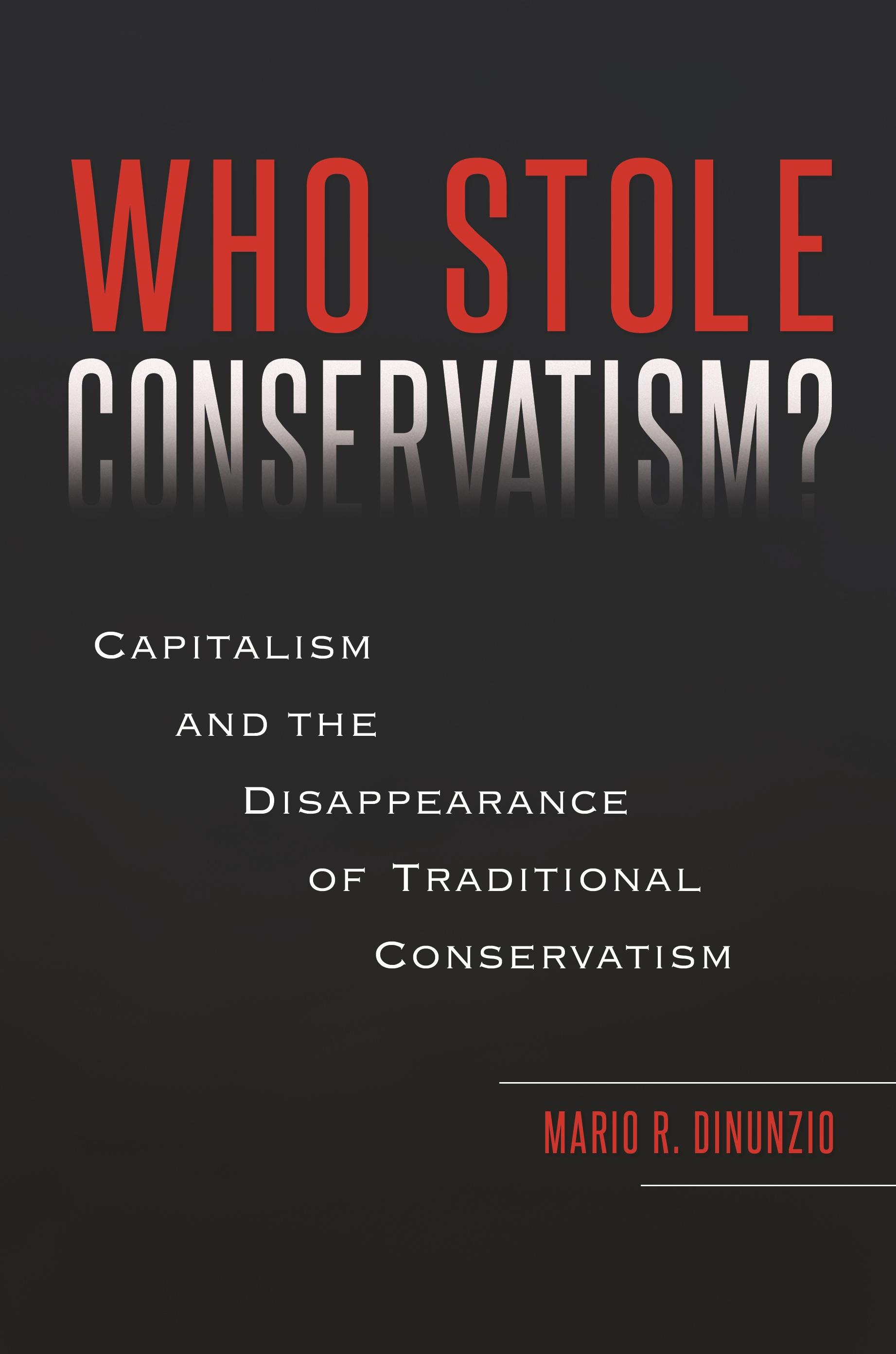
A compelling explanation of how conservatism is no longer what its founders intended and how it has been transformed into a tool of materialist economics and emptied of much of its original meaning.
During America's 19th-century Gilded Age, free-enterprise capitalist ideas distorted and deeply obscured traditional political conservatism. Conservatism today, argues distinguished historian Mario R. DiNunzio, is a grotesque version of the ideology crafted by its founders, including John Adams in America and Edmund Burke in England.
This compelling book provides a survey of conservative thought and its transformation that originated in the late 19th century, exposing the influence of that transformed conservatism on 20th-century American politics—from Hoover to Goldwater to Reagan and on to the Tea Party. It explains the historical foundations of conservative thought and the radical transformation of conservatism into a vastly different ideology primarily concerned with the defense of unfettered capitalism and extreme rights of individuals, as opposed to the values of traditional conservatism: community, good order, tempered change, and enduring values. DiNunzio challenges conservatives and scholars of conservatism to confront the differences between what passes for conservatism in modern-day American politics and the tenets of the original conservative tradition.
During America's 19th-century Gilded Age, free-enterprise capitalist ideas distorted and deeply obscured traditional political conservatism. Conservatism today, argues distinguished historian Mario R. DiNunzio, is a grotesque version of the ideology crafted by its founders, including John Adams in America and Edmund Burke in England.
This compelling book provides a survey of conservative thought and its transformation that originated in the late 19th century, exposing the influence of that transformed conservatism on 20th-century American politics—from Hoover to Goldwater to Reagan and on to the Tea Party. It explains the historical foundations of conservative thought and the radical transformation of conservatism into a vastly different ideology primarily concerned with the defense of unfettered capitalism and extreme rights of individuals, as opposed to the values of traditional conservatism: community, good order, tempered change, and enduring values. DiNunzio challenges conservatives and scholars of conservatism to confront the differences between what passes for conservatism in modern-day American politics and the tenets of the original conservative tradition.
Betaal eenvoudig met kaart, Klarna, Apple Pay of Google Pay. Niet tevreden? Je hebt altijd 14 dagen bedenktijd. Lees meer in onze voorwaarden. Heb je vragen, mail ons dan via hello@memmo.org.
Memmo maakt studeren makkelijker – waar je ook bent ter wereld. Wij brengen je cursusboeken en slimme studietools samen op één plek: samenvattingen, quizzen, podcasts en flashcards. En Ted, je studievriend die antwoord geeft op alles wat je je afvraagt. Meer dan 50.000 studenten studeren hier al – gebouwd om je sneller te laten leren en minder stress te geven.