
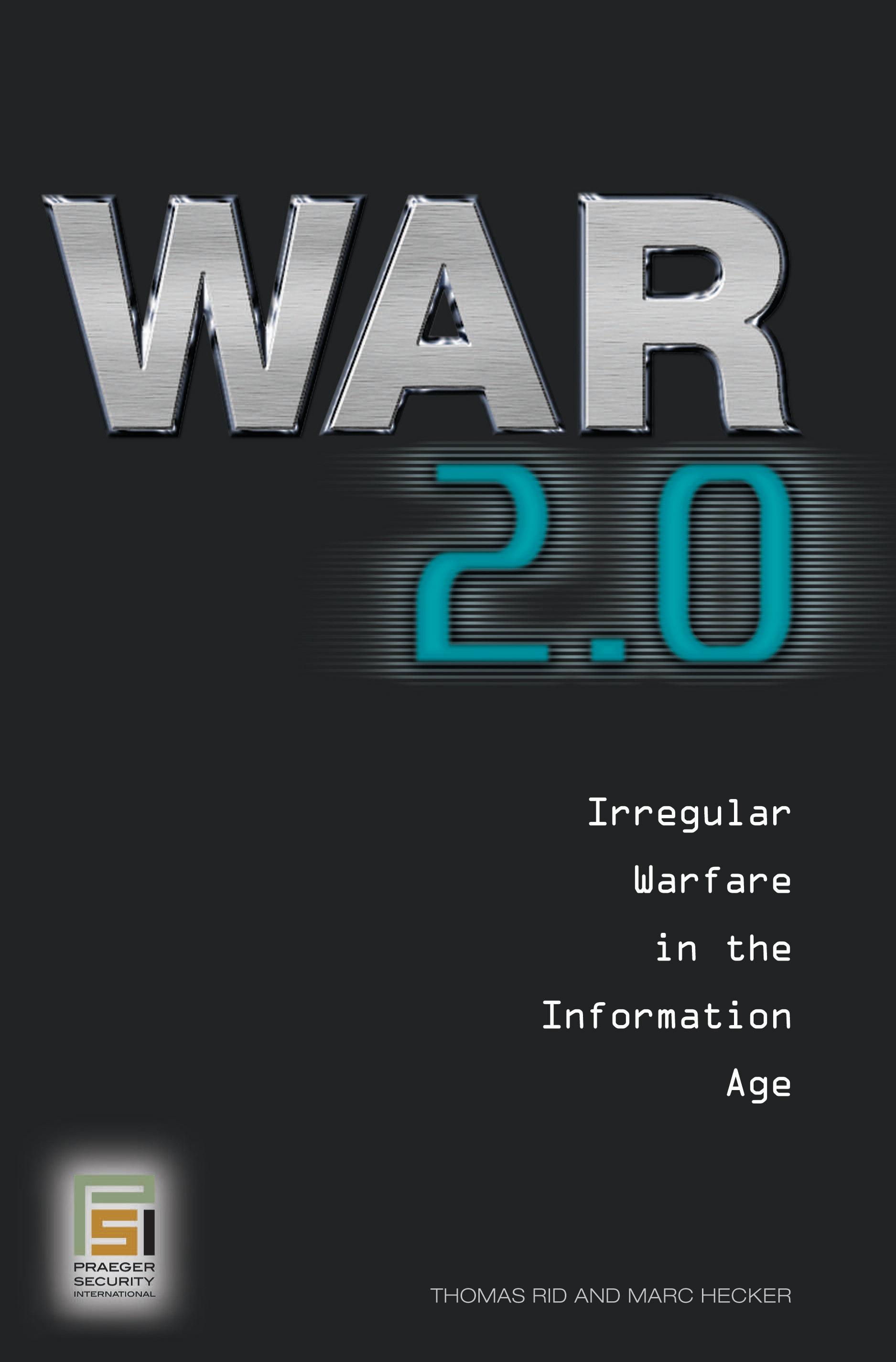
War 2.0: Irregular Warfare in the Information Age argues that two intimately connected grassroots trends—the rise of insurgencies and the rise of the web—are putting modern armies under huge pressure to adapt new forms of counterinsurgency to new forms of social war.
After the U.S. military—transformed into a lean, lethal, computerized force—faltered in Iraq after 2003, a robust insurgency arose. Counterinsurgency became a social form of war—indeed, the U.S. Army calls it "armed social work"—in which the local population was the center of gravity and public opinion at home the critical vulnerability.
War 2.0 traces the contrasting ways in which insurgents and counterinsurgents have adapted irregular conflict to novel media platforms. It examines the public affairs policies of the U.S. land forces, the British Army, and the Israel Defense Forces. Then, it compares the media-related counterinsurgency methods of these conventional armies with the methods devised by their irregular adversaries, showing how such organizations as al-Qaeda, the Taliban, and Hezbollah use the web, not merely to advertise their political agenda and influence public opinion, but to mobilize a following and put violent ideas into action.
After the U.S. military—transformed into a lean, lethal, computerized force—faltered in Iraq after 2003, a robust insurgency arose. Counterinsurgency became a social form of war—indeed, the U.S. Army calls it "armed social work"—in which the local population was the center of gravity and public opinion at home the critical vulnerability.
War 2.0 traces the contrasting ways in which insurgents and counterinsurgents have adapted irregular conflict to novel media platforms. It examines the public affairs policies of the U.S. land forces, the British Army, and the Israel Defense Forces. Then, it compares the media-related counterinsurgency methods of these conventional armies with the methods devised by their irregular adversaries, showing how such organizations as al-Qaeda, the Taliban, and Hezbollah use the web, not merely to advertise their political agenda and influence public opinion, but to mobilize a following and put violent ideas into action.
Betaal eenvoudig met kaart, Klarna, Apple Pay of Google Pay. Niet tevreden? Je hebt altijd 14 dagen bedenktijd. Lees meer in onze voorwaarden. Heb je vragen, mail ons dan via hello@memmo.org.
Memmo maakt studeren makkelijker – waar je ook bent ter wereld. Wij brengen je cursusboeken en slimme studietools samen op één plek: samenvattingen, quizzen, podcasts en flashcards. En Ted, je studievriend die antwoord geeft op alles wat je je afvraagt. Meer dan 50.000 studenten studeren hier al – gebouwd om je sneller te laten leren en minder stress te geven.