
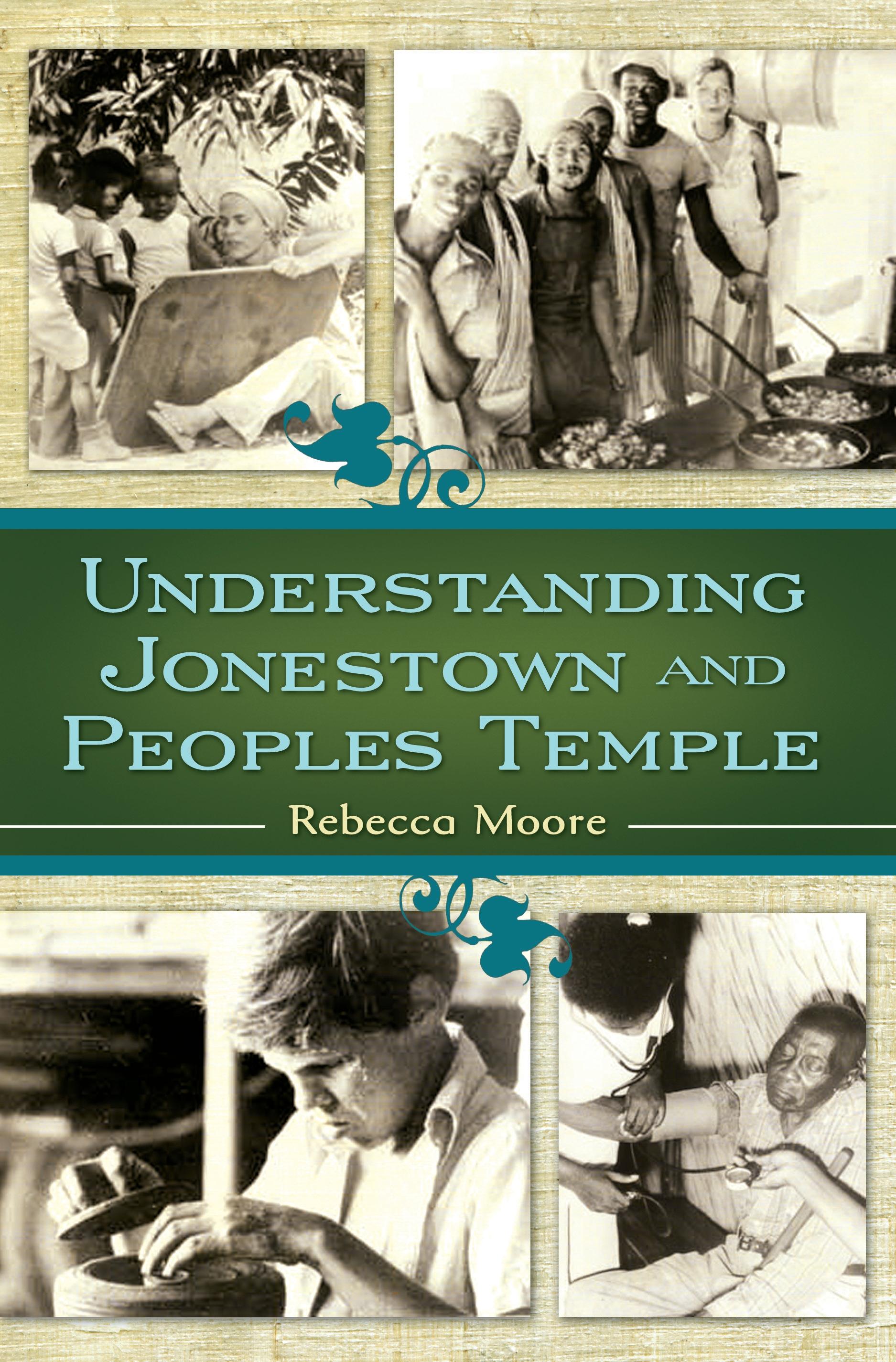
This in-depth investigation of Peoples Temple and its tragic end at Jonestown corrects sensationalized misunderstandings of the group and places its individual members within the broader context of religion in America.
Most people understand Peoples Temple through its violent disbanding following events in Jonestown, Guyana, where more than 900 Americans committed murder and suicide in a jungle commune. Media coverage of the event sensationalized the group and obscured the background of those who died. The view that emerged thirty years ago continues to dominate understanding of Jonestown today, despite the dozens of books, articles, and documentaries that have appeared.
This book provides a fresh perspective on Peoples Temple, locating the group within the context of religion in America and offering a contemporary history that corrects the inaccuracies often associated with the group and its demise. Although Peoples Temple had some of the characteristics many associate with cults, it also shared many characteristics of black religion in America. Moreover, it is crucial to understand how the organization fits into the social and political movements of the 1950s, 1960s, and 1970s: race, class, colonialism, gender, and other issues dominated the times and so dominated the consciousness of the members of Peoples Temple. Here, Rebecca Moore, who lost three family members in the events in Guyana, offers a framework for U.S. social, cultural, and political history that helps readers to better understand Peoples Temple and its members.
Most people understand Peoples Temple through its violent disbanding following events in Jonestown, Guyana, where more than 900 Americans committed murder and suicide in a jungle commune. Media coverage of the event sensationalized the group and obscured the background of those who died. The view that emerged thirty years ago continues to dominate understanding of Jonestown today, despite the dozens of books, articles, and documentaries that have appeared.
This book provides a fresh perspective on Peoples Temple, locating the group within the context of religion in America and offering a contemporary history that corrects the inaccuracies often associated with the group and its demise. Although Peoples Temple had some of the characteristics many associate with cults, it also shared many characteristics of black religion in America. Moreover, it is crucial to understand how the organization fits into the social and political movements of the 1950s, 1960s, and 1970s: race, class, colonialism, gender, and other issues dominated the times and so dominated the consciousness of the members of Peoples Temple. Here, Rebecca Moore, who lost three family members in the events in Guyana, offers a framework for U.S. social, cultural, and political history that helps readers to better understand Peoples Temple and its members.
Betaal eenvoudig met kaart, Klarna, Apple Pay of Google Pay. Niet tevreden? Je hebt altijd 14 dagen bedenktijd. Lees meer in onze voorwaarden. Heb je vragen, mail ons dan via hello@memmo.org.
Memmo maakt studeren makkelijker – waar je ook bent ter wereld. Wij brengen je cursusboeken en slimme studietools samen op één plek: samenvattingen, quizzen, podcasts en flashcards. En Ted, je studievriend die antwoord geeft op alles wat je je afvraagt. Meer dan 50.000 studenten studeren hier al – gebouwd om je sneller te laten leren en minder stress te geven.