
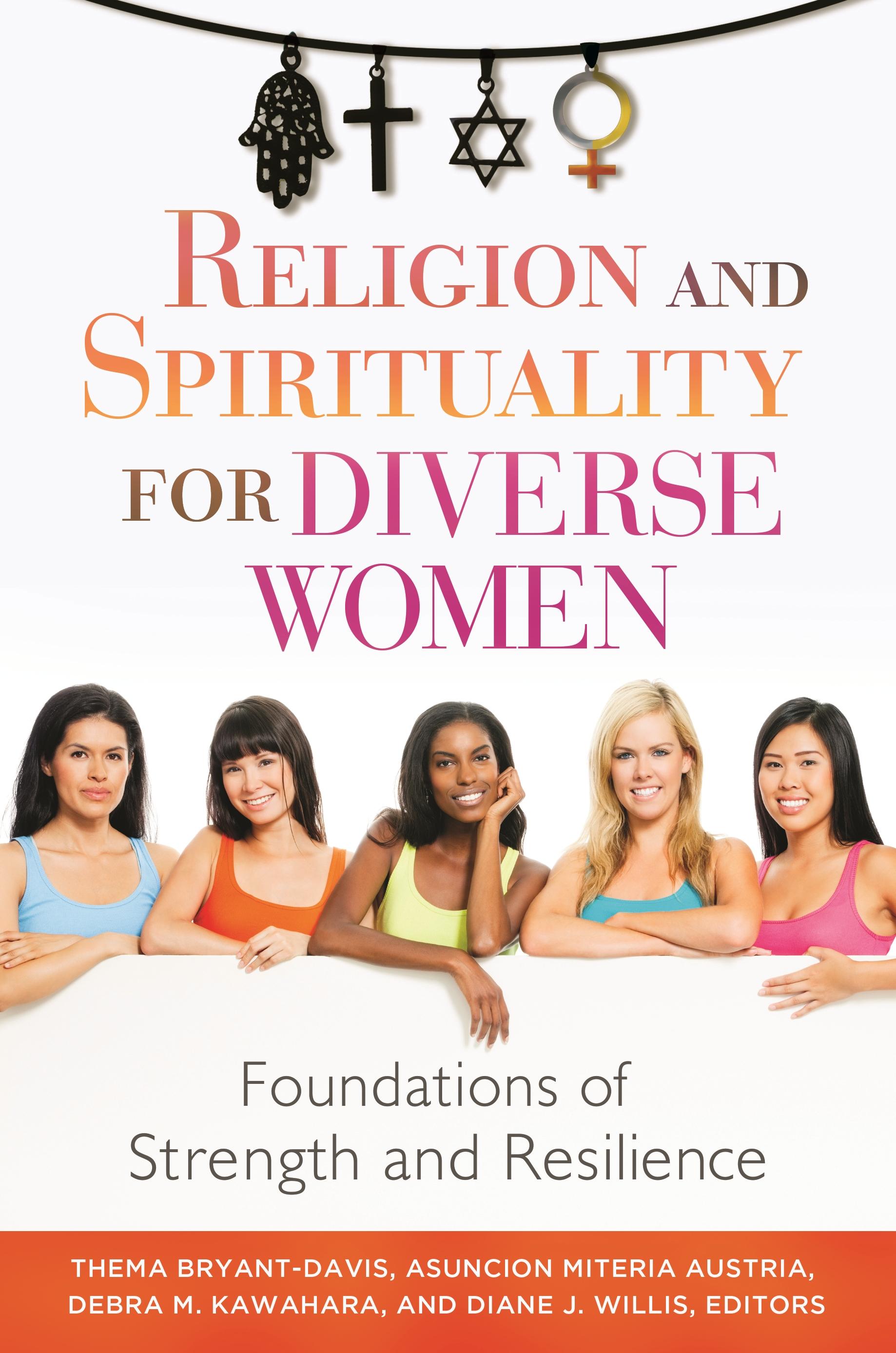
This collection of essays considers the role of spirituality and religion in the lives of American women from various ethnic backgrounds, showing how faith empowers those in populations often marginalized in the United States.
Religion and spirituality are sources of strength and resilience for many women, particularly ethnically diverse women. This thought-provoking text examines this psychological trend, exploring the specific ways in which women from diverse backgrounds have benefited from their faith traditions, the various spiritual pathways they have chosen, and the impact of those choices on their lives.
Essays in this informative compilation show how women from African American, Latina, American Indian, Asian American, and Caucasian backgrounds recover from difficulties and traumas with the help of their faith. Contributors consider why women are more likely to endorse religious engagement than men; why ethnically marginalized women tap into spirituality for comfort more than any other population; and why many believers embrace religion as a coping mechanism throughout their lives—from adolescence to older adulthood. The work suggests ways for counselors, leaders, and religious figures to utilize this knowledge to bolster the well-being of those they serve.
Religion and spirituality are sources of strength and resilience for many women, particularly ethnically diverse women. This thought-provoking text examines this psychological trend, exploring the specific ways in which women from diverse backgrounds have benefited from their faith traditions, the various spiritual pathways they have chosen, and the impact of those choices on their lives.
Essays in this informative compilation show how women from African American, Latina, American Indian, Asian American, and Caucasian backgrounds recover from difficulties and traumas with the help of their faith. Contributors consider why women are more likely to endorse religious engagement than men; why ethnically marginalized women tap into spirituality for comfort more than any other population; and why many believers embrace religion as a coping mechanism throughout their lives—from adolescence to older adulthood. The work suggests ways for counselors, leaders, and religious figures to utilize this knowledge to bolster the well-being of those they serve.
Betaal eenvoudig met kaart, Klarna, Apple Pay of Google Pay. Niet tevreden? Je hebt altijd 14 dagen bedenktijd. Lees meer in onze voorwaarden. Heb je vragen, mail ons dan via hello@memmo.org.
Memmo maakt studeren makkelijker – waar je ook bent ter wereld. Wij brengen je cursusboeken en slimme studietools samen op één plek: samenvattingen, quizzen, podcasts en flashcards. En Ted, je studievriend die antwoord geeft op alles wat je je afvraagt. Meer dan 50.000 studenten studeren hier al – gebouwd om je sneller te laten leren en minder stress te geven.