
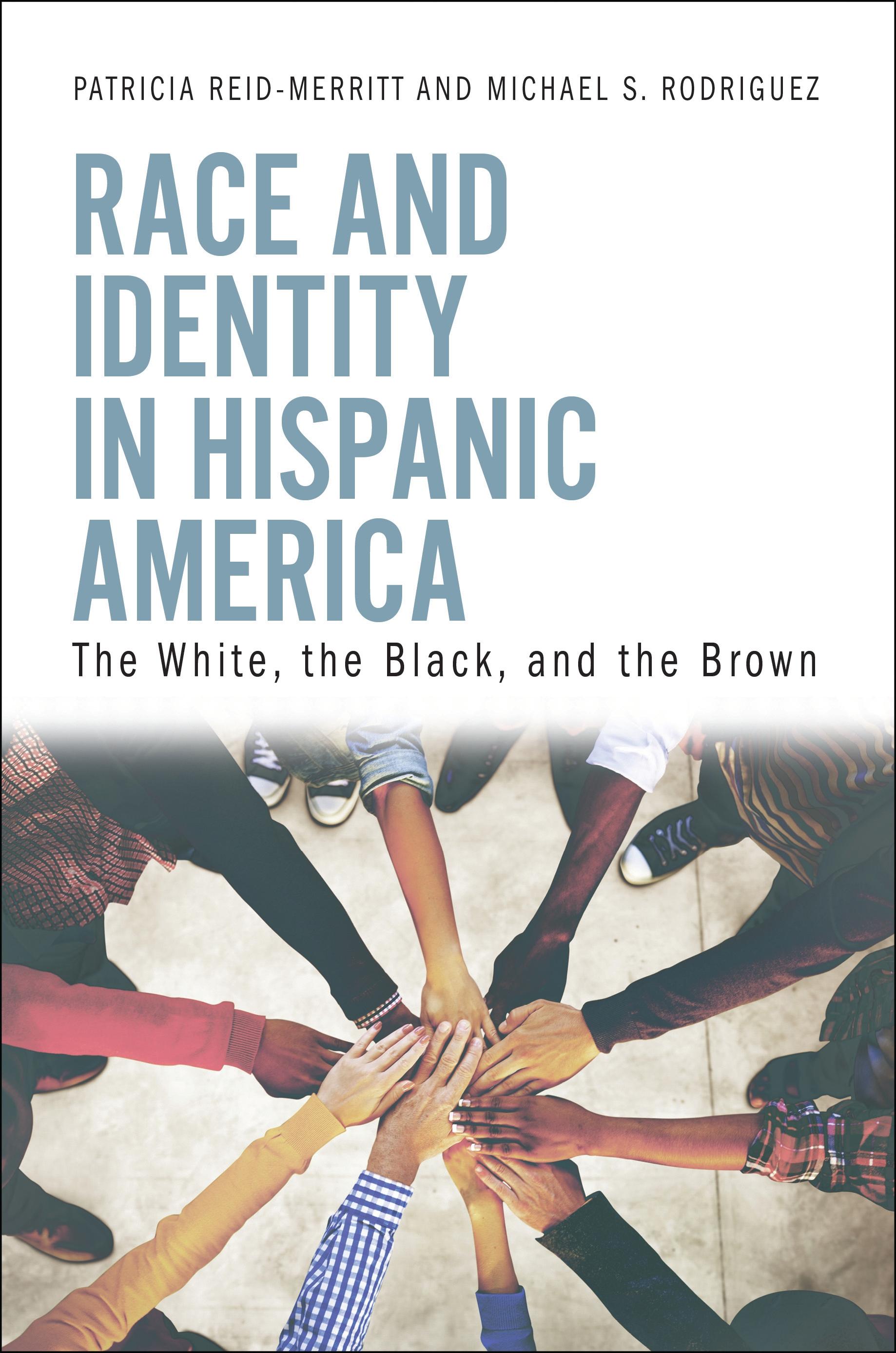
This book offers a historical and comparative overview of the evolution of racial classifications in the United States, Latin America, and the Caribbean.
The Hispanicization of America is precipitating a paradigm shift in racial thinking in which race is no longer defined by distinct characteristics but rather is becoming synonymous with ethnic/cultural identity.
Traditionally, assimilation has been conceived of as a unidirectional and racialized phenomenon. Newly arrived immigrant groups or longstanding minority/indigenous populations were "Americanized" in confining their racial and ethnic natures to the private sphere and adopting, in the public sphere, the cultural mores, norms, and values of the dominant cultural/racial group. In contrast, the Hispanicization of America entails the horizontal assimilation of various groups from Spanish-speaking countries throughout the Western Hemisphere and Caribbean into a pan-ethnic, Hispanic/Latino identity that also challenges the privileged position of whiteness as the primary and exclusive referent for American identity.
Instead of focusing on one Hispanic group, ethnic identity, or region, this book chronicles the development of racial identity across the largest Hispanic groups throughout the United States.
The Hispanicization of America is precipitating a paradigm shift in racial thinking in which race is no longer defined by distinct characteristics but rather is becoming synonymous with ethnic/cultural identity.
Traditionally, assimilation has been conceived of as a unidirectional and racialized phenomenon. Newly arrived immigrant groups or longstanding minority/indigenous populations were "Americanized" in confining their racial and ethnic natures to the private sphere and adopting, in the public sphere, the cultural mores, norms, and values of the dominant cultural/racial group. In contrast, the Hispanicization of America entails the horizontal assimilation of various groups from Spanish-speaking countries throughout the Western Hemisphere and Caribbean into a pan-ethnic, Hispanic/Latino identity that also challenges the privileged position of whiteness as the primary and exclusive referent for American identity.
Instead of focusing on one Hispanic group, ethnic identity, or region, this book chronicles the development of racial identity across the largest Hispanic groups throughout the United States.
Betaal eenvoudig met kaart, Klarna, Apple Pay of Google Pay. Niet tevreden? Je hebt altijd 14 dagen bedenktijd. Lees meer in onze voorwaarden. Heb je vragen, mail ons dan via hello@memmo.org.
Memmo maakt studeren makkelijker – waar je ook bent ter wereld. Wij brengen je cursusboeken en slimme studietools samen op één plek: samenvattingen, quizzen, podcasts en flashcards. En Ted, je studievriend die antwoord geeft op alles wat je je afvraagt. Meer dan 50.000 studenten studeren hier al – gebouwd om je sneller te laten leren en minder stress te geven.