
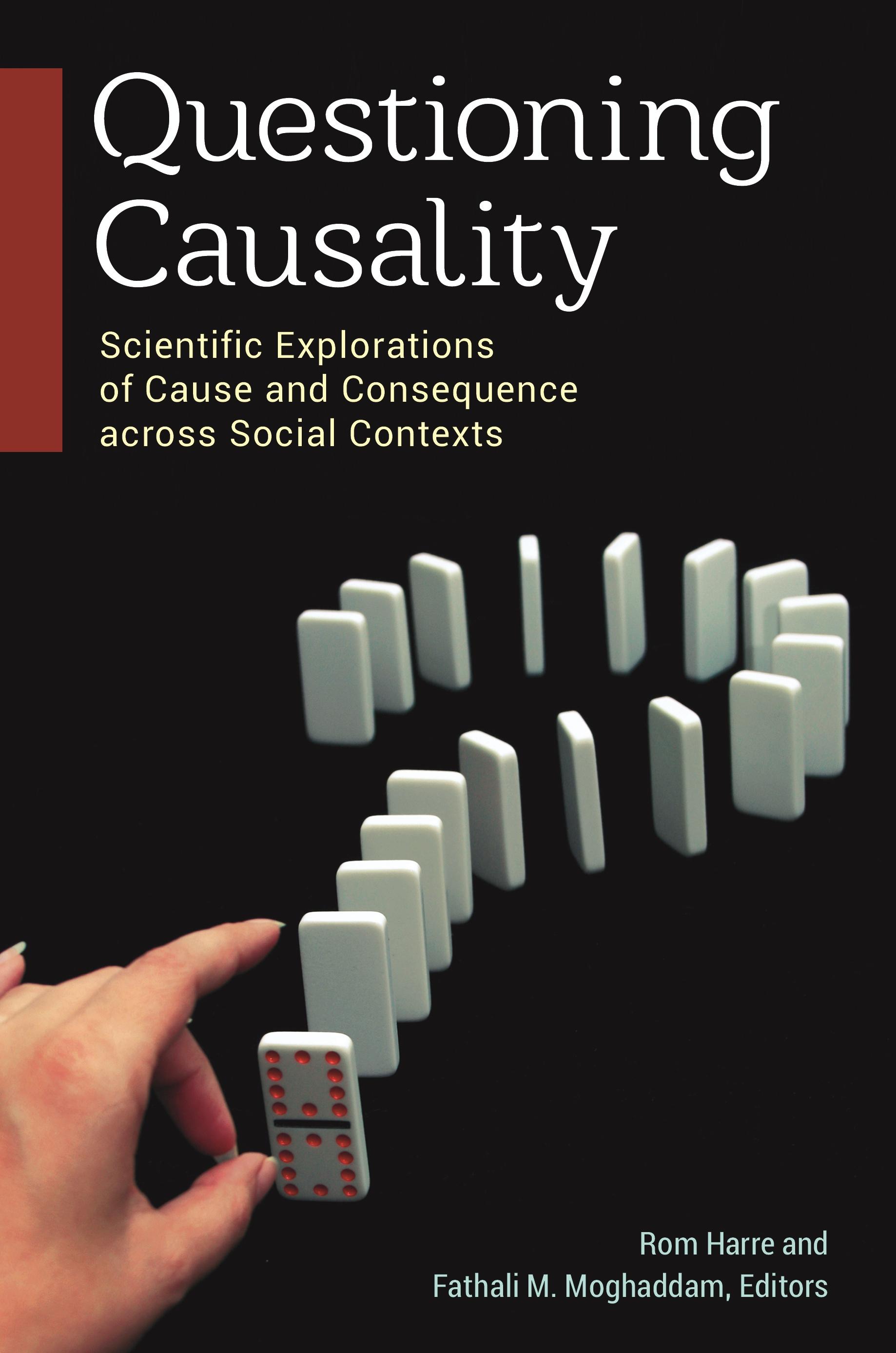
Covering a topic applicable to fields ranging from education to health care to psychology, this book provides a broad critical analysis of the assumptions that researchers and practitioners have about causation and explains how readers can improve their thinking about causation.
In virtually every laboratory, research center, or classroom focused on the social or physical sciences today, the concept of causation is a core issue to be questioned, tested, and determined. Even debates in unrelated areas such as biology, law, and philosophy often focus on causality—"What made that happen?" In this book, experts from across disciplines adopt a reader-friendly approach to reconsider this age-old question in a modern light, defining different kinds of causation and examining how causes and consequences are framed and approached in a particular field. Each chapter uses applied examples to illustrate key points in an accessible manner.
The contributors to this work supply a coherent critical analysis of the assumptions researchers and practitioners hold about causation, and explain how such thinking about causation can be improved. Collectively, the coverage is broad, providing readers with a fuller picture of research in social contexts. Beyond providing insightful description and thought-provoking questioning of causation in different research areas, the book applies analysis of data in order to point the way to smarter, more efficient practices. Consequently, both practitioners and researchers will benefit from this book.
In virtually every laboratory, research center, or classroom focused on the social or physical sciences today, the concept of causation is a core issue to be questioned, tested, and determined. Even debates in unrelated areas such as biology, law, and philosophy often focus on causality—"What made that happen?" In this book, experts from across disciplines adopt a reader-friendly approach to reconsider this age-old question in a modern light, defining different kinds of causation and examining how causes and consequences are framed and approached in a particular field. Each chapter uses applied examples to illustrate key points in an accessible manner.
The contributors to this work supply a coherent critical analysis of the assumptions researchers and practitioners hold about causation, and explain how such thinking about causation can be improved. Collectively, the coverage is broad, providing readers with a fuller picture of research in social contexts. Beyond providing insightful description and thought-provoking questioning of causation in different research areas, the book applies analysis of data in order to point the way to smarter, more efficient practices. Consequently, both practitioners and researchers will benefit from this book.
Betaal eenvoudig met kaart, Klarna, Apple Pay of Google Pay. Niet tevreden? Je hebt altijd 14 dagen bedenktijd. Lees meer in onze voorwaarden. Heb je vragen, mail ons dan via hello@memmo.org.
Memmo maakt studeren makkelijker – waar je ook bent ter wereld. Wij brengen je cursusboeken en slimme studietools samen op één plek: samenvattingen, quizzen, podcasts en flashcards. En Ted, je studievriend die antwoord geeft op alles wat je je afvraagt. Meer dan 50.000 studenten studeren hier al – gebouwd om je sneller te laten leren en minder stress te geven.