
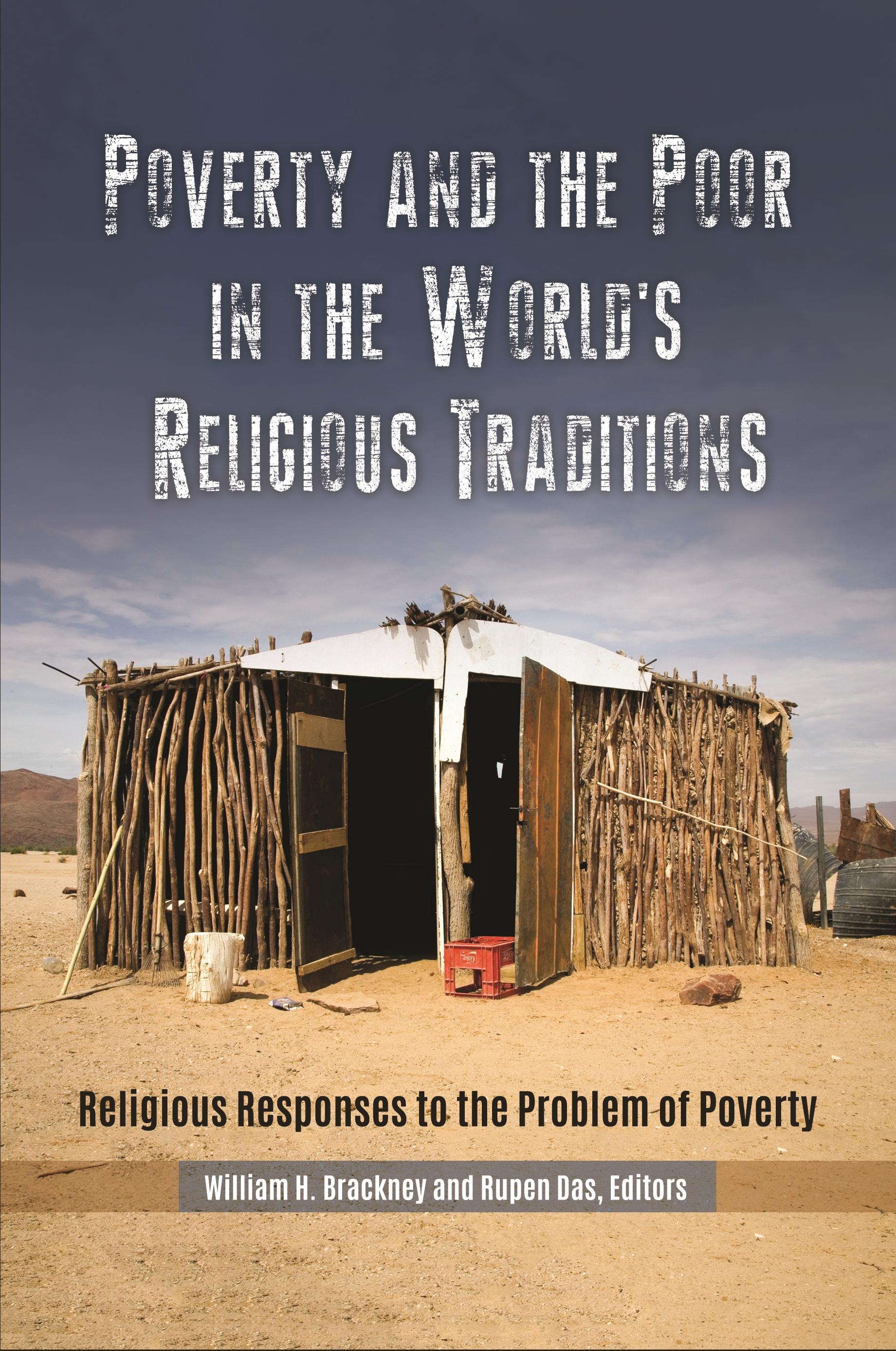
This detailed book is a resource for students, practitioners, and leaders interested in how the major world religions have understood poverty and responded to the poor.
Poverty is a universal phenomenon across history, regardless of country or culture. Today, the demographics of the poor are on the rise globally: it is a critical issue. Religious traditions are another universal aspect of human societies, and nearly all religions include directives on how to respond to the poor and systemic poverty. How do the various religious traditions conceptualize poverty, and what do they view as the proper response to the poor?
Poverty and the Poor in the World's Religious Traditions: Religious Responses to the Problem of Poverty brings together specialists on the religions of the world and their diverse viewpoints to identify how different religious traditions interact with poverty and being poor. It also contains excerpts of religious texts that readers can use as primary documents to illustrate themes such as identifying the poor, religious reasons for being poor, and responses (like charity and development) to the existence of poverty. This book serves as a powerful resource for students of subjects like international development, missiology, comparative religion, theology, social ethics, economics, and organizational leadership as well as for any socially concerned clergy of various faiths.
Poverty is a universal phenomenon across history, regardless of country or culture. Today, the demographics of the poor are on the rise globally: it is a critical issue. Religious traditions are another universal aspect of human societies, and nearly all religions include directives on how to respond to the poor and systemic poverty. How do the various religious traditions conceptualize poverty, and what do they view as the proper response to the poor?
Poverty and the Poor in the World's Religious Traditions: Religious Responses to the Problem of Poverty brings together specialists on the religions of the world and their diverse viewpoints to identify how different religious traditions interact with poverty and being poor. It also contains excerpts of religious texts that readers can use as primary documents to illustrate themes such as identifying the poor, religious reasons for being poor, and responses (like charity and development) to the existence of poverty. This book serves as a powerful resource for students of subjects like international development, missiology, comparative religion, theology, social ethics, economics, and organizational leadership as well as for any socially concerned clergy of various faiths.
Betaal eenvoudig met kaart, Klarna, Apple Pay of Google Pay. Niet tevreden? Je hebt altijd 14 dagen bedenktijd. Lees meer in onze voorwaarden. Heb je vragen, mail ons dan via hello@memmo.org.
Memmo maakt studeren makkelijker – waar je ook bent ter wereld. Wij brengen je cursusboeken en slimme studietools samen op één plek: samenvattingen, quizzen, podcasts en flashcards. En Ted, je studievriend die antwoord geeft op alles wat je je afvraagt. Meer dan 50.000 studenten studeren hier al – gebouwd om je sneller te laten leren en minder stress te geven.