
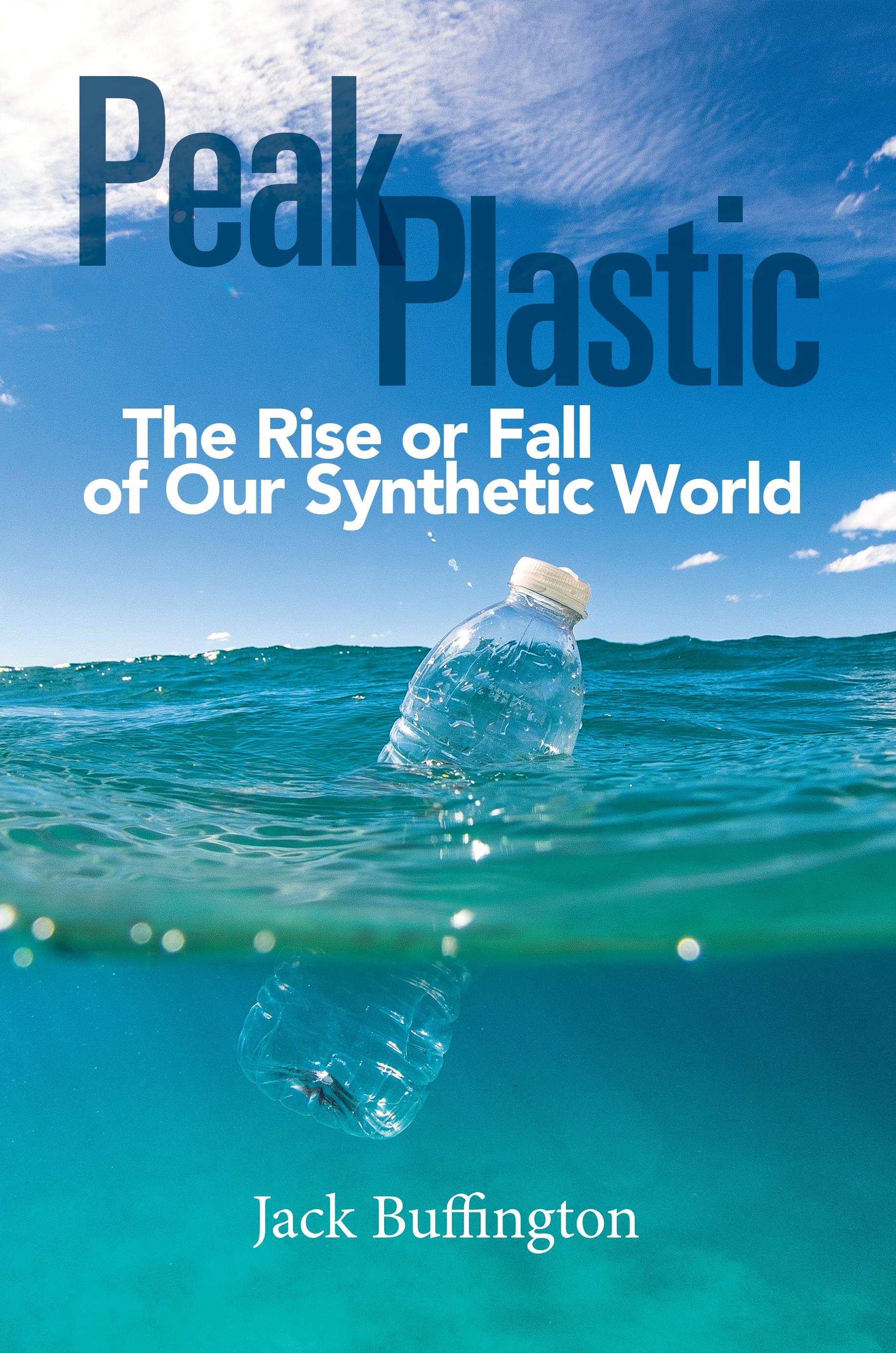
Shows why plastics, in aggregate, have become a toxin to humans, wildlife, and the planet, and proposes novel solutions that involve neither traditional recycling nor giving up plastic.
"Plastics!" In the 50 years since Dustin Hoffman's character in The Graduate was instructed that this was the career field of the future, we have not been able to escape this ubiquitous but poorly understood material. Author Jack Buffington argues that the plastics crisis is careening toward a tipping point from which there will be no return. There is still time, however, to do something about this crisis if we have the imagination and the will to move away from the failed policies of the past.
This book is the first to propose a new model for linking our synthetic world to the natural one, rather than seeking to treat them as separate entities. The key is supply chain innovation. Buffington presents five market-based solutions based on this principle that will allow consumers to continue to use plastic, which has in many ways enabled our way of life. Alongside these proposed solutions, he also addresses the proliferation of plastic as we know it—growth that, if left unchecked, will lead to a "planetary crisis," according to the United Nations—and considers how the material itself might be adapted for a sustainable future.
"Plastics!" In the 50 years since Dustin Hoffman's character in The Graduate was instructed that this was the career field of the future, we have not been able to escape this ubiquitous but poorly understood material. Author Jack Buffington argues that the plastics crisis is careening toward a tipping point from which there will be no return. There is still time, however, to do something about this crisis if we have the imagination and the will to move away from the failed policies of the past.
This book is the first to propose a new model for linking our synthetic world to the natural one, rather than seeking to treat them as separate entities. The key is supply chain innovation. Buffington presents five market-based solutions based on this principle that will allow consumers to continue to use plastic, which has in many ways enabled our way of life. Alongside these proposed solutions, he also addresses the proliferation of plastic as we know it—growth that, if left unchecked, will lead to a "planetary crisis," according to the United Nations—and considers how the material itself might be adapted for a sustainable future.
Betaal eenvoudig met kaart, Klarna, Apple Pay of Google Pay. Niet tevreden? Je hebt altijd 14 dagen bedenktijd. Lees meer in onze voorwaarden. Heb je vragen, mail ons dan via hello@memmo.org.
Memmo maakt studeren makkelijker – waar je ook bent ter wereld. Wij brengen je cursusboeken en slimme studietools samen op één plek: samenvattingen, quizzen, podcasts en flashcards. En Ted, je studievriend die antwoord geeft op alles wat je je afvraagt. Meer dan 50.000 studenten studeren hier al – gebouwd om je sneller te laten leren en minder stress te geven.