
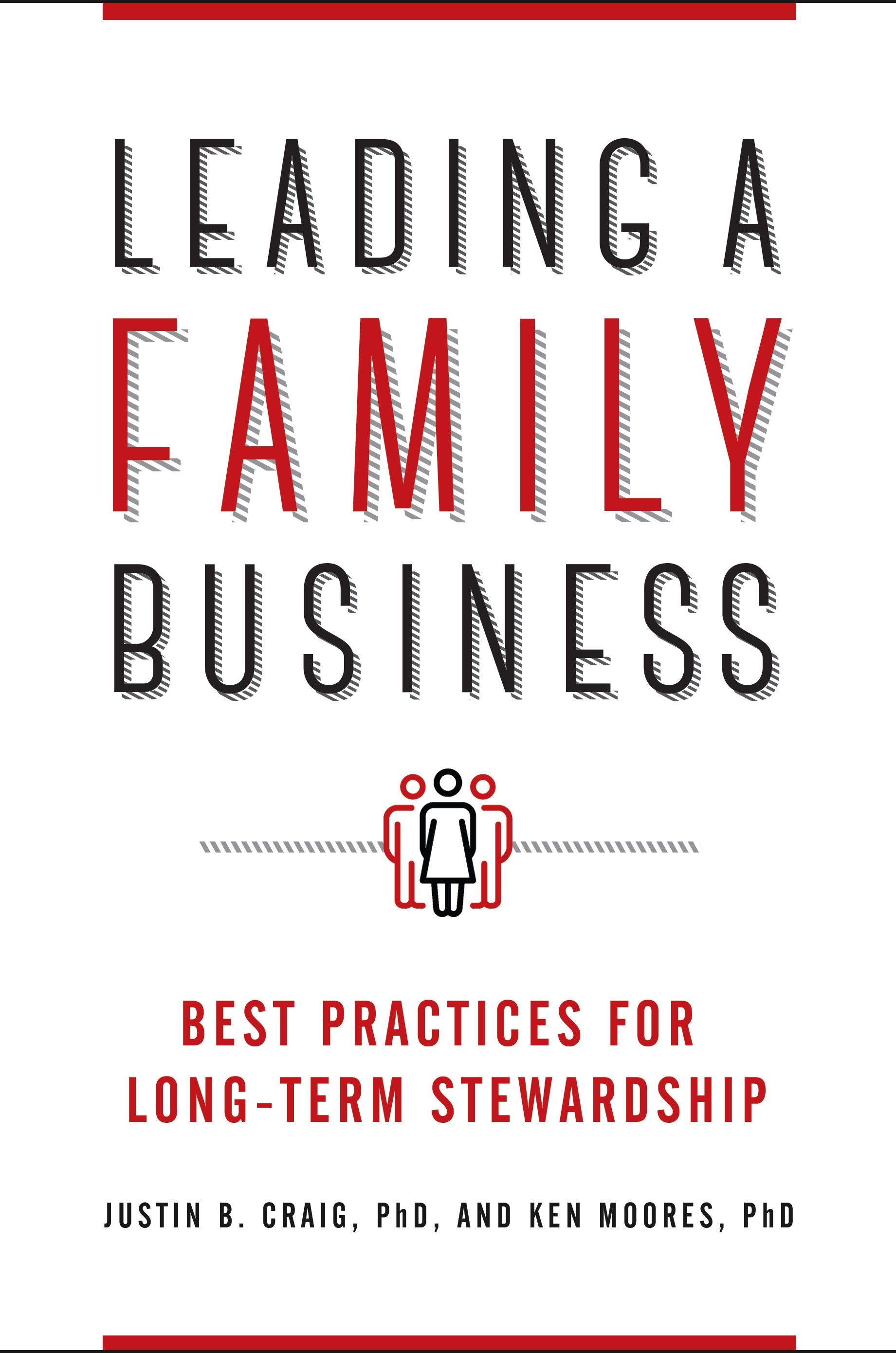
Based on insights from executives across the globe, this planning guide captures the unique challenges faced by leaders of a family business and presents an approach to help these operations survive and thrive across generations.
Leading a company is a much different experience for those in a family-run business than for their contemporaries in nonfamilial environments. This book provides a comprehensive overview of the skill set and mindset required to lead family enterprises, and it introduces the four critical areas in which family businesses differ from traditional companies—management structures, governance mechanisms, entrepreneurial advantages, and stewardship practices.
In a fascinating convergence of entrepreneurship, family relations, and corporate principles, the authors present two frameworks to better understand the best practices of leading a family business: a firm-level frame focused on these four critical areas of difference (architecture, governance, entrepreneurship, and stewardship) and an individual one that mirrors these in terms of the skill set and mindset successful leaders need to develop. Craig and Moores consider the differences between leadership in family enterprises and non-family enterprises; the entrepreneurial capabilities needed by executives in family-based firms; and the use of power, identification, and motivation in managing their responsibilities both at home and in the workplace. Case studies provide a real-life look at the inner workings of family operations across the globe.
Leading a company is a much different experience for those in a family-run business than for their contemporaries in nonfamilial environments. This book provides a comprehensive overview of the skill set and mindset required to lead family enterprises, and it introduces the four critical areas in which family businesses differ from traditional companies—management structures, governance mechanisms, entrepreneurial advantages, and stewardship practices.
In a fascinating convergence of entrepreneurship, family relations, and corporate principles, the authors present two frameworks to better understand the best practices of leading a family business: a firm-level frame focused on these four critical areas of difference (architecture, governance, entrepreneurship, and stewardship) and an individual one that mirrors these in terms of the skill set and mindset successful leaders need to develop. Craig and Moores consider the differences between leadership in family enterprises and non-family enterprises; the entrepreneurial capabilities needed by executives in family-based firms; and the use of power, identification, and motivation in managing their responsibilities both at home and in the workplace. Case studies provide a real-life look at the inner workings of family operations across the globe.
Betaal eenvoudig met kaart, Klarna, Apple Pay of Google Pay. Niet tevreden? Je hebt altijd 14 dagen bedenktijd. Lees meer in onze voorwaarden. Heb je vragen, mail ons dan via hello@memmo.org.
Memmo maakt studeren makkelijker – waar je ook bent ter wereld. Wij brengen je cursusboeken en slimme studietools samen op één plek: samenvattingen, quizzen, podcasts en flashcards. En Ted, je studievriend die antwoord geeft op alles wat je je afvraagt. Meer dan 50.000 studenten studeren hier al – gebouwd om je sneller te laten leren en minder stress te geven.