
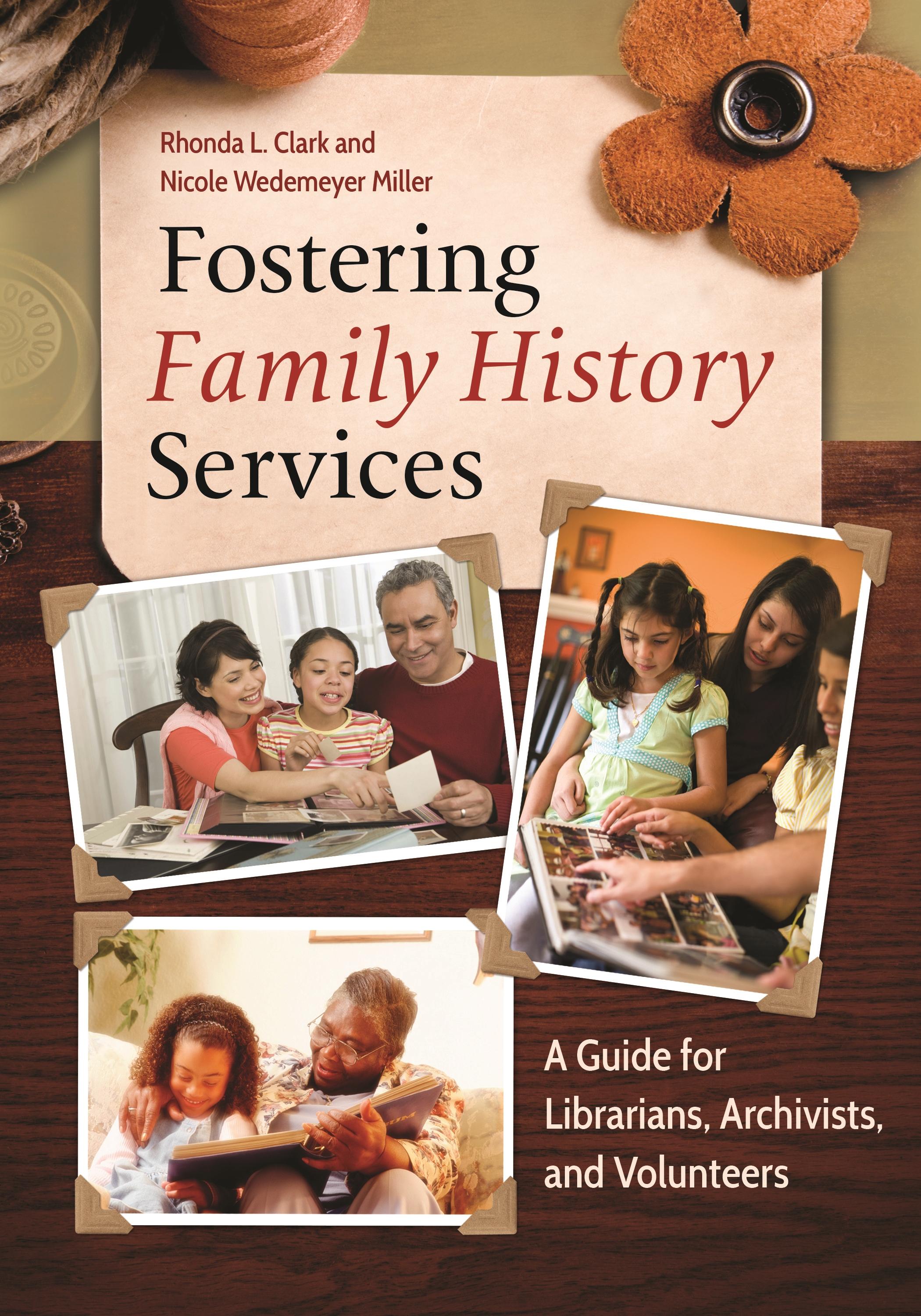
Here is everything you need to promote your library as a center for genealogical study by leveraging your collection to help patrons conduct research on ancestors, document family stories, and archive family heirlooms.
Websites, social media, and the Internet have made research on family history accessible. Your library can tap into the popularity of the do-it-yourself genealogy movement by promoting your role as both a preserver of local community history as well as a source for helping your patrons archive what's important to their family. This professional guide will teach you how to integrate family history programming into your educational outreach tools and services to the community.
The book is divided into three sections: the first introduces methods for creating a program to help your clients trace their roots; the second provides library science instruction in reference and planning for local collections; and the third part focuses on the use of specific types of resources in local collections. Additional information features methods for preserving photographs, letters, diaries, documents, memorabilia, and ephemera. The text also includes bibliographies, appendices, checklists, and links to online aids to further assist with valuating and organizing important family mementos.
Websites, social media, and the Internet have made research on family history accessible. Your library can tap into the popularity of the do-it-yourself genealogy movement by promoting your role as both a preserver of local community history as well as a source for helping your patrons archive what's important to their family. This professional guide will teach you how to integrate family history programming into your educational outreach tools and services to the community.
The book is divided into three sections: the first introduces methods for creating a program to help your clients trace their roots; the second provides library science instruction in reference and planning for local collections; and the third part focuses on the use of specific types of resources in local collections. Additional information features methods for preserving photographs, letters, diaries, documents, memorabilia, and ephemera. The text also includes bibliographies, appendices, checklists, and links to online aids to further assist with valuating and organizing important family mementos.
Betaal eenvoudig met kaart, Klarna, Apple Pay of Google Pay. Niet tevreden? Je hebt altijd 14 dagen bedenktijd. Lees meer in onze voorwaarden. Heb je vragen, mail ons dan via hello@memmo.org.
Memmo maakt studeren makkelijker – waar je ook bent ter wereld. Wij brengen je cursusboeken en slimme studietools samen op één plek: samenvattingen, quizzen, podcasts en flashcards. En Ted, je studievriend die antwoord geeft op alles wat je je afvraagt. Meer dan 50.000 studenten studeren hier al – gebouwd om je sneller te laten leren en minder stress te geven.