
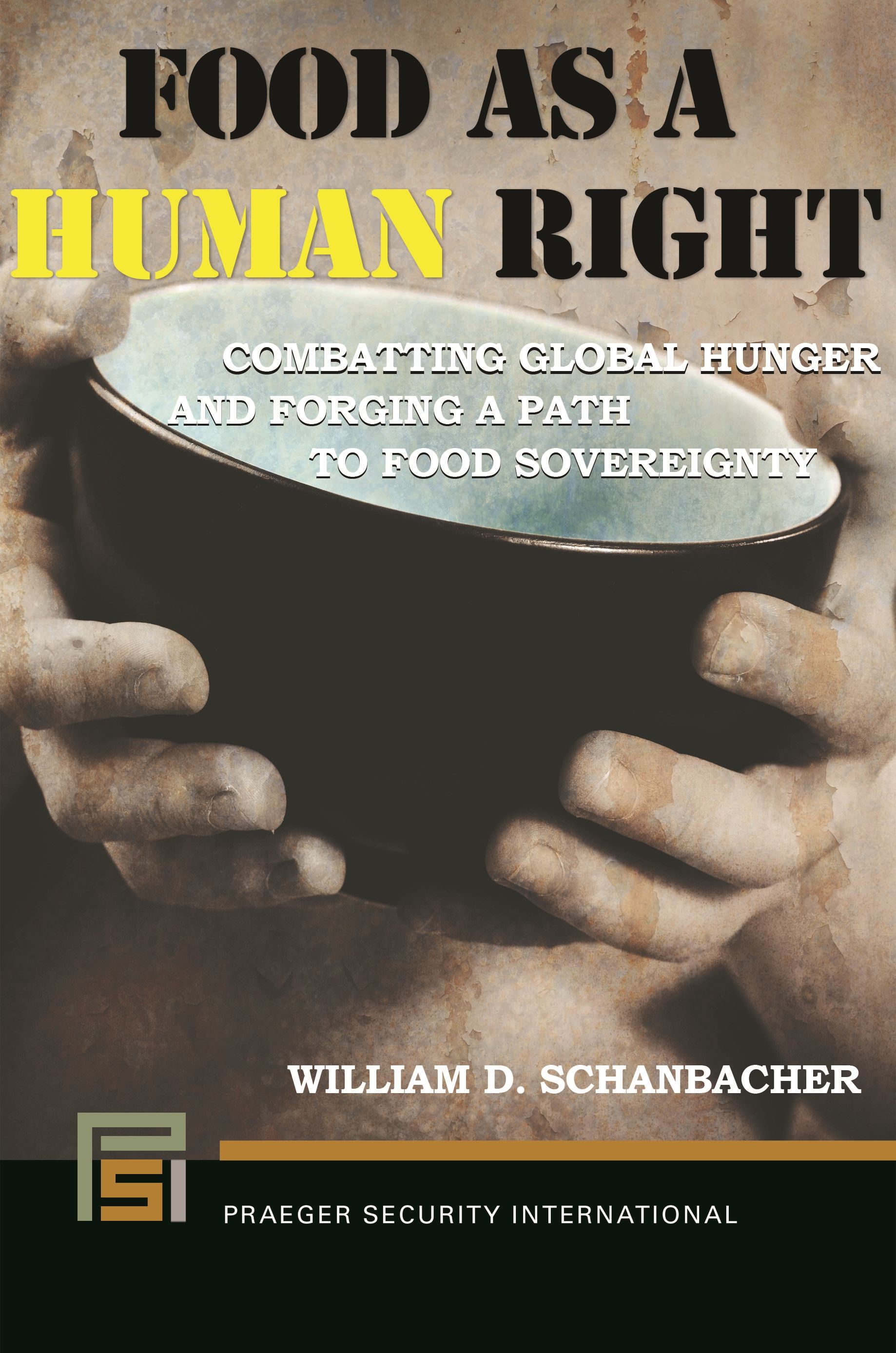
This important work addresses the difficult ethical issues surrounding the accessibility of food to all people as a human right, and not a privilege that emerges because of social structure or benefit of geography.
Food sovereignty—the right of peoples to define their own chosen food and agriculture, free of monopolization or threats—is the path to stopping global hunger. This book approaches the topic from a solutions-based perspective, discussing concrete policy providing for sovereignty, or control, of one's own food sources as a solution that, while controversial, offers more promise than do the actions of international organizations and trade agreements. Providing access to safe, healthy food is an ethical responsibility of the world's nations, not just a right of the elite or wealthy.
This book presses the need to formulate policies that address the problems of poverty and hunger on a more humane and meaningful level. Organized thematically, chapters are based on such topics as food security, food sovereignty, human rights, and sustainability that focus on the global food system. Specific case studies provide examples of global hunger and poverty issues. Taken in its entirety, the book informs readers of how their food consumption might negatively affect the global poor, while its concluding chapters offer solutions for alleviating problems in the global food system.
Food sovereignty—the right of peoples to define their own chosen food and agriculture, free of monopolization or threats—is the path to stopping global hunger. This book approaches the topic from a solutions-based perspective, discussing concrete policy providing for sovereignty, or control, of one's own food sources as a solution that, while controversial, offers more promise than do the actions of international organizations and trade agreements. Providing access to safe, healthy food is an ethical responsibility of the world's nations, not just a right of the elite or wealthy.
This book presses the need to formulate policies that address the problems of poverty and hunger on a more humane and meaningful level. Organized thematically, chapters are based on such topics as food security, food sovereignty, human rights, and sustainability that focus on the global food system. Specific case studies provide examples of global hunger and poverty issues. Taken in its entirety, the book informs readers of how their food consumption might negatively affect the global poor, while its concluding chapters offer solutions for alleviating problems in the global food system.
Betaal eenvoudig met kaart, Klarna, Apple Pay of Google Pay. Niet tevreden? Je hebt altijd 14 dagen bedenktijd. Lees meer in onze voorwaarden. Heb je vragen, mail ons dan via hello@memmo.org.
Memmo maakt studeren makkelijker – waar je ook bent ter wereld. Wij brengen je cursusboeken en slimme studietools samen op één plek: samenvattingen, quizzen, podcasts en flashcards. En Ted, je studievriend die antwoord geeft op alles wat je je afvraagt. Meer dan 50.000 studenten studeren hier al – gebouwd om je sneller te laten leren en minder stress te geven.