
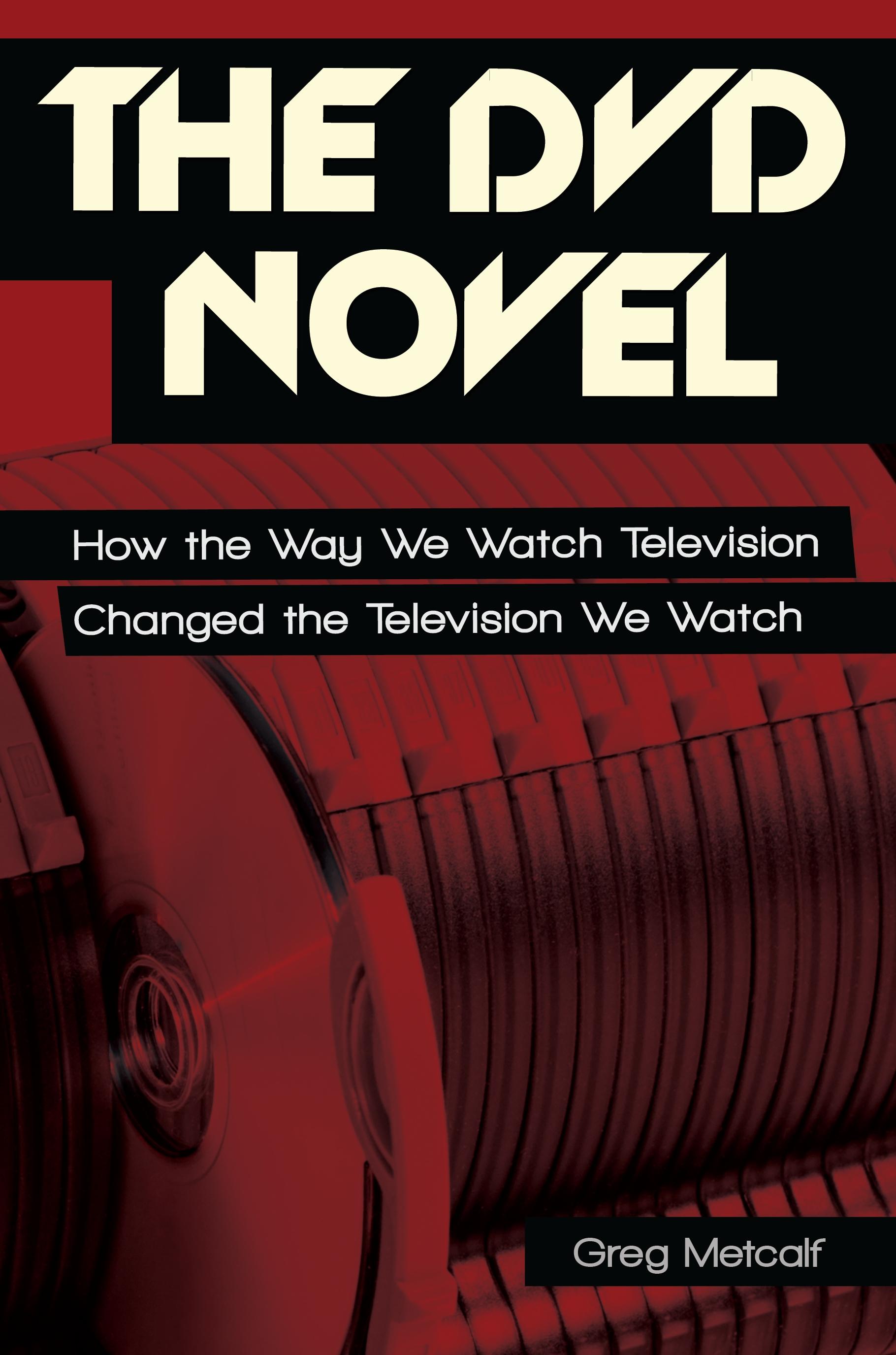
Now that television shows can live forever as DVD sets, the stories they can tell have changed; television episodes are now crafted as chapters in a season-long novel instead of free-standing stories. This book examines how this significant shift in storytelling occurred.
In 1981, NBC's Hill Street Blues combined the cop show and the soap opera to set the model for primetime serial storytelling, which is evident in The Sopranos, The Wire, and Breaking Bad. In 1963, ABC's The Fugitive showed how an anthology series could tell a continuing tale, influencing The X-Files, House, and Fringe. In 1987, NBC's The Days and Nights of Molly Dodd changed the situation comedy into attitudinal comedy, leading to Weeds, Nurse Jackie, and Entourage. The DVD Novel: How the Way We Watch Television Changed the Television We Watch not only examines how American television shows changed, but also what television artists have been able to create.
The book provides an alternate history of American television that compares it to British television, and explains the influence of Dennis Potter's The Singing Detective on the development of long-form television and the evolution of drama shows and sitcoms. The work considers a wide range of network and cable television shows, paying special attention to the work of Steven Bochco, David Milch, and David Simon, and spotlighting the influence of graphic novels and literary novels in changing television.
In 1981, NBC's Hill Street Blues combined the cop show and the soap opera to set the model for primetime serial storytelling, which is evident in The Sopranos, The Wire, and Breaking Bad. In 1963, ABC's The Fugitive showed how an anthology series could tell a continuing tale, influencing The X-Files, House, and Fringe. In 1987, NBC's The Days and Nights of Molly Dodd changed the situation comedy into attitudinal comedy, leading to Weeds, Nurse Jackie, and Entourage. The DVD Novel: How the Way We Watch Television Changed the Television We Watch not only examines how American television shows changed, but also what television artists have been able to create.
The book provides an alternate history of American television that compares it to British television, and explains the influence of Dennis Potter's The Singing Detective on the development of long-form television and the evolution of drama shows and sitcoms. The work considers a wide range of network and cable television shows, paying special attention to the work of Steven Bochco, David Milch, and David Simon, and spotlighting the influence of graphic novels and literary novels in changing television.
Betaal eenvoudig met kaart, Klarna, Apple Pay of Google Pay. Niet tevreden? Je hebt altijd 14 dagen bedenktijd. Lees meer in onze voorwaarden. Heb je vragen, mail ons dan via hello@memmo.org.
Memmo maakt studeren makkelijker – waar je ook bent ter wereld. Wij brengen je cursusboeken en slimme studietools samen op één plek: samenvattingen, quizzen, podcasts en flashcards. En Ted, je studievriend die antwoord geeft op alles wat je je afvraagt. Meer dan 50.000 studenten studeren hier al – gebouwd om je sneller te laten leren en minder stress te geven.