
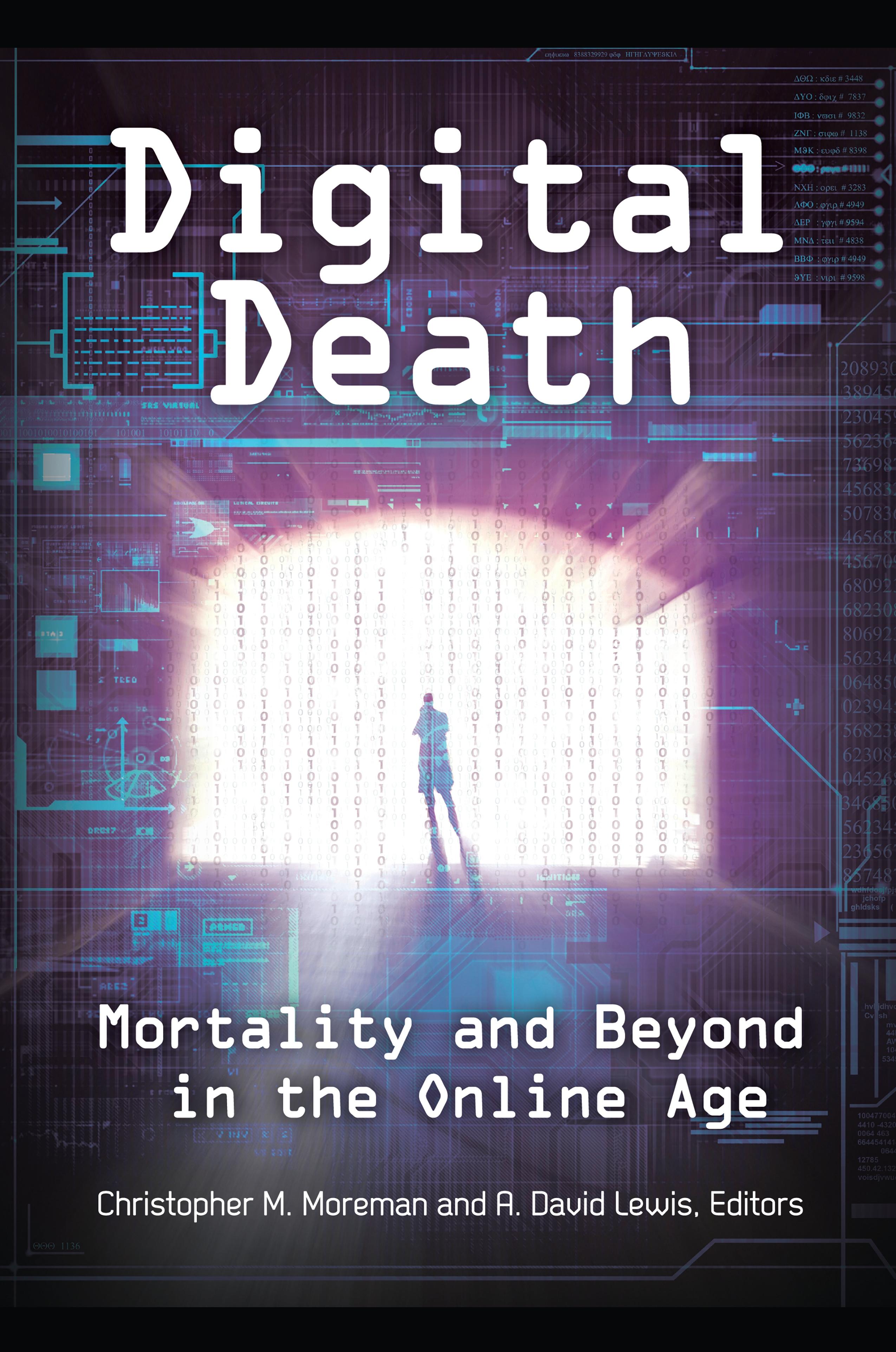
This fascinating work explores the meaning of death in the digital age, showing readers the new ways digital technology allows humans to approach, prepare for, and handle their ultimate destiny.
With DeadSocial™ one can create messages to be published to social networks after death. Facebook's "If I Die" enables users to create a video or text message for posthumous publication. Twitter _LIVESON accounts will keep tweeting even after the user is gone. There is no doubt that the digital age has radically changed options related to death, dying, grieving, and remembering, allowing people to say goodbye in their own time and their own unique way.
Drawing from a range of academic perspectives, this book is the only serious study to focus on the ways in which death, dying, and memorialization appear in and are influenced by digital technology. The work investigates phenomena, devices, and audiences as they affect mortality, remembrances, grieving, posthumous existence, and afterlife experience. It examines the markets to which the providers of such services are responding, and it analyzes the degree to which digital media is changing views and expectations related to death. Ultimately, the contributors seek to answer an even more important question: how digital existences affect both real-world perceptions of life's end and the way in which lives are actually lived.
With DeadSocial™ one can create messages to be published to social networks after death. Facebook's "If I Die" enables users to create a video or text message for posthumous publication. Twitter _LIVESON accounts will keep tweeting even after the user is gone. There is no doubt that the digital age has radically changed options related to death, dying, grieving, and remembering, allowing people to say goodbye in their own time and their own unique way.
Drawing from a range of academic perspectives, this book is the only serious study to focus on the ways in which death, dying, and memorialization appear in and are influenced by digital technology. The work investigates phenomena, devices, and audiences as they affect mortality, remembrances, grieving, posthumous existence, and afterlife experience. It examines the markets to which the providers of such services are responding, and it analyzes the degree to which digital media is changing views and expectations related to death. Ultimately, the contributors seek to answer an even more important question: how digital existences affect both real-world perceptions of life's end and the way in which lives are actually lived.
Betaal eenvoudig met kaart, Klarna, Apple Pay of Google Pay. Niet tevreden? Je hebt altijd 14 dagen bedenktijd. Lees meer in onze voorwaarden. Heb je vragen, mail ons dan via hello@memmo.org.
Memmo maakt studeren makkelijker – waar je ook bent ter wereld. Wij brengen je cursusboeken en slimme studietools samen op één plek: samenvattingen, quizzen, podcasts en flashcards. En Ted, je studievriend die antwoord geeft op alles wat je je afvraagt. Meer dan 50.000 studenten studeren hier al – gebouwd om je sneller te laten leren en minder stress te geven.