
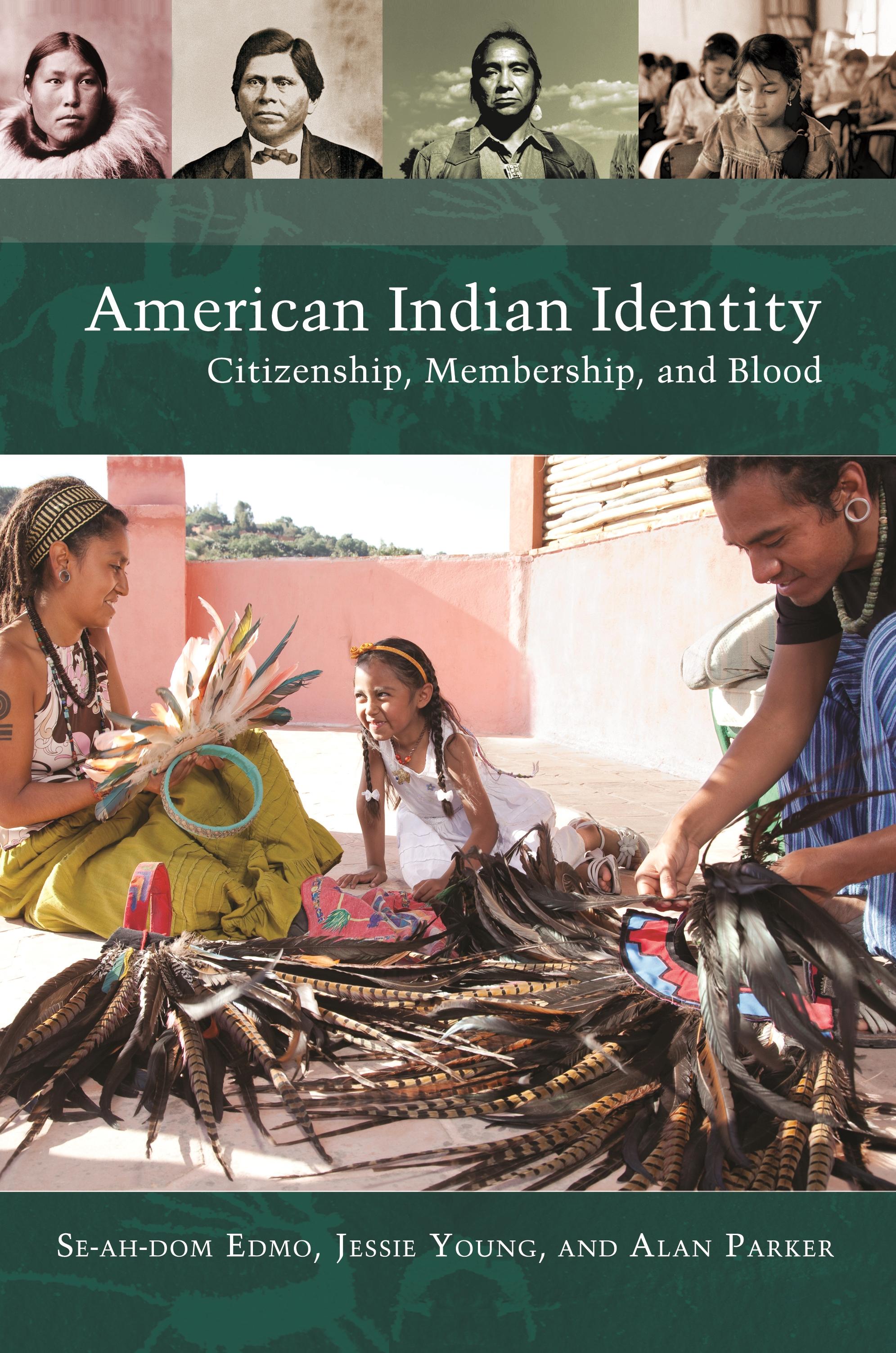
This single-volume book contends that reshaping the paradigm of American Indian identity, blood quantum, and racial distinctions can positively impact the future of the Indian community within America and America itself.
This academic compendium examines the complexities associated with Indian identity in North America, including the various social, political, and legal issues impacting Indian expression in different periods; the European influence on how self-governing tribal communities define the rights of citizenship within their own communities; and the effect of Indian mascots, Thanksgiving, and other cultural appropriations taking place within American society on the Indian community. The book looks at and proposes solutions to the controversies surrounding the Indian tribal nations and their people.
The authors—all leading advocates of Indian progress—argue that tribal governments and communities should reconsider the notion of what comprises Indian identity, and in doing so, they compare and contrast how indigenous people around the world define themselves and their communities. Chapters address complex questions under the discourse of Indian law, history, philosophy, education, political science, anthropology, art, psychology, and civil rights. Topics covered in depth include blood quantum, racial distinctions, First Nations, and tribal citizenship.
This academic compendium examines the complexities associated with Indian identity in North America, including the various social, political, and legal issues impacting Indian expression in different periods; the European influence on how self-governing tribal communities define the rights of citizenship within their own communities; and the effect of Indian mascots, Thanksgiving, and other cultural appropriations taking place within American society on the Indian community. The book looks at and proposes solutions to the controversies surrounding the Indian tribal nations and their people.
The authors—all leading advocates of Indian progress—argue that tribal governments and communities should reconsider the notion of what comprises Indian identity, and in doing so, they compare and contrast how indigenous people around the world define themselves and their communities. Chapters address complex questions under the discourse of Indian law, history, philosophy, education, political science, anthropology, art, psychology, and civil rights. Topics covered in depth include blood quantum, racial distinctions, First Nations, and tribal citizenship.
Betaal eenvoudig met kaart, Klarna, Apple Pay of Google Pay. Niet tevreden? Je hebt altijd 14 dagen bedenktijd. Lees meer in onze voorwaarden. Heb je vragen, mail ons dan via hello@memmo.org.
Memmo maakt studeren makkelijker – waar je ook bent ter wereld. Wij brengen je cursusboeken en slimme studietools samen op één plek: samenvattingen, quizzen, podcasts en flashcards. En Ted, je studievriend die antwoord geeft op alles wat je je afvraagt. Meer dan 50.000 studenten studeren hier al – gebouwd om je sneller te laten leren en minder stress te geven.